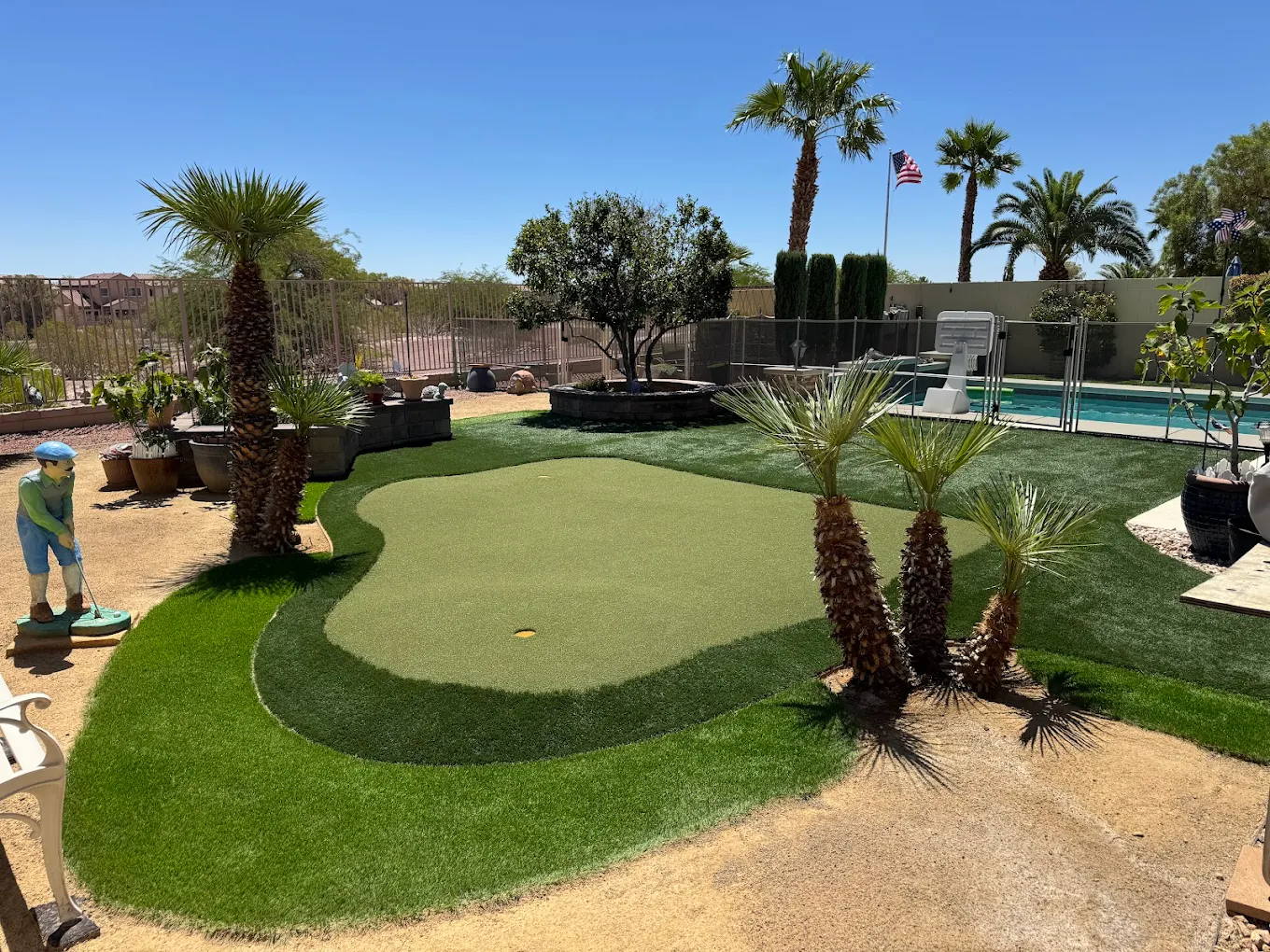
The Temperature Challenge for Las Vegas Turf Owners
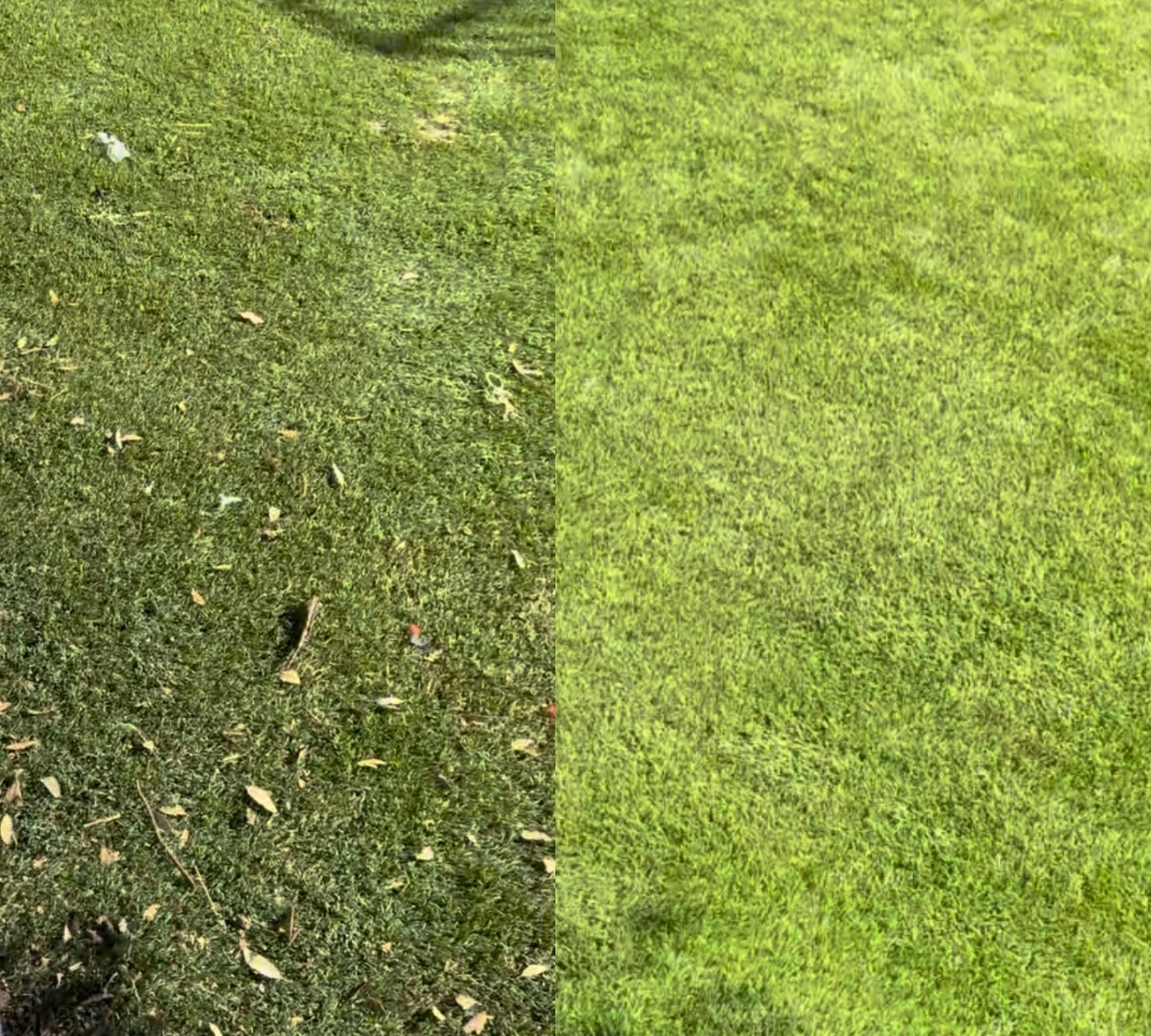
Artificial turf temperature management in Las Vegas is not a luxury concern; it is a fundamental usability issue that determines whether your outdoor space functions as intended for 5 months of the year or 12. From May through September, unmanaged turf surfaces routinely reach temperatures that cause burns on bare skin, making patios, play areas, and entertaining spaces around Summerlin, Henderson, and Spring Valley homes effectively unusable during the hours when families most want to be outside. A comprehensive temperature management strategy transforms this limitation into a manageable challenge.
The physics of turf heating are straightforward but the solutions require a multi-layered approach. Synthetic turf fibers absorb solar radiation and convert it to heat, which is then stored in both the fibers and the infill material beneath them. Because artificial turf lacks the evaporative cooling mechanism that natural grass uses through transpiration, it heats up faster and retains heat longer than a living lawn. Addressing this requires intervening at multiple points: reducing the radiation that reaches the surface, improving how the surface handles absorbed radiation, and actively removing heat when the surface is in use.
The most effective temperature management plans combine passive and active strategies tailored to each property's specific conditions. A yard in Paradise with morning shade from an east-facing structure needs different solutions than a fully exposed west-facing yard in Enterprise. Assessing your property's sun exposure patterns, typical use schedule, and budget determines the optimal combination of strategies.
Passive Cooling Strategies That Work 24/7
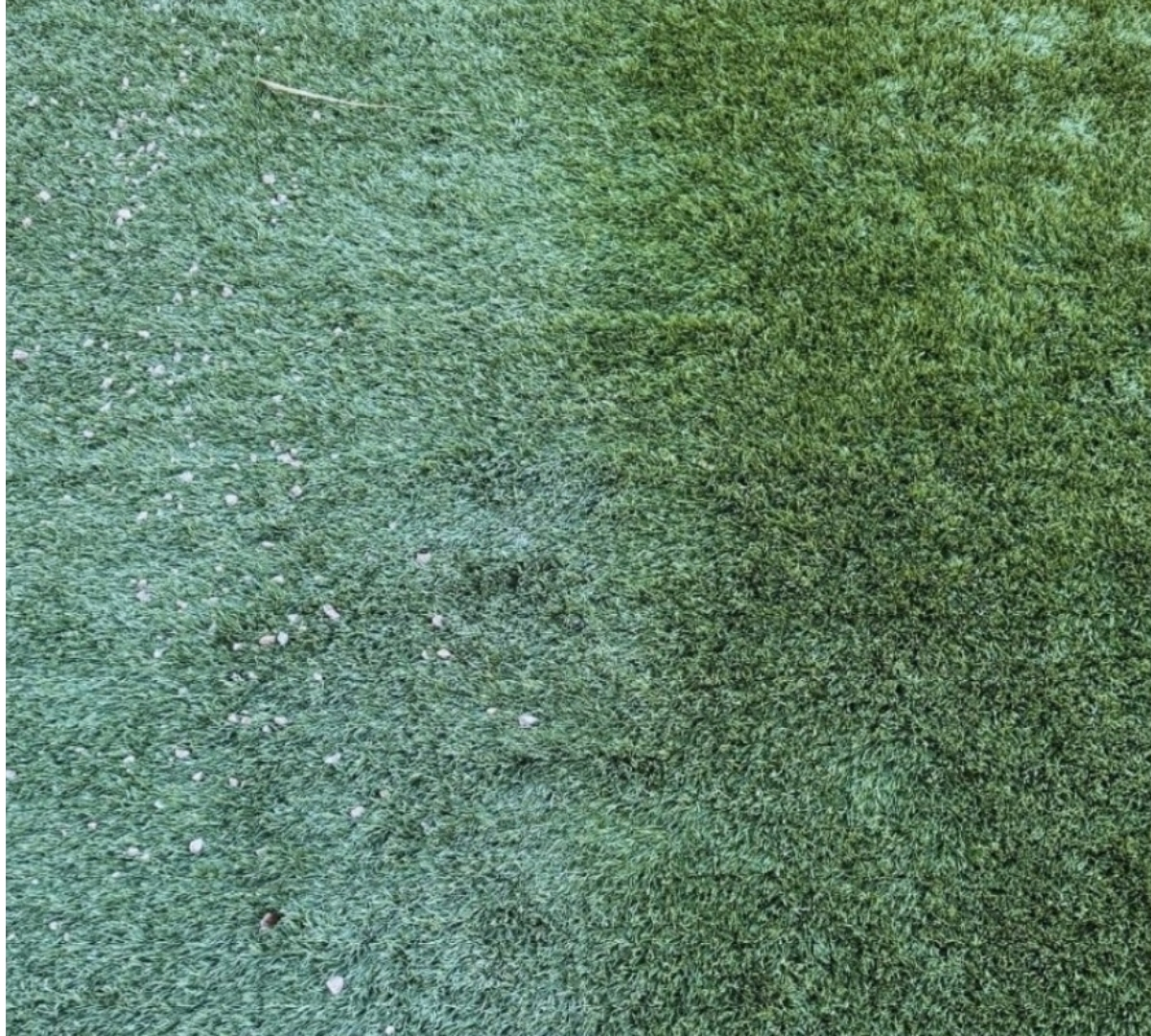
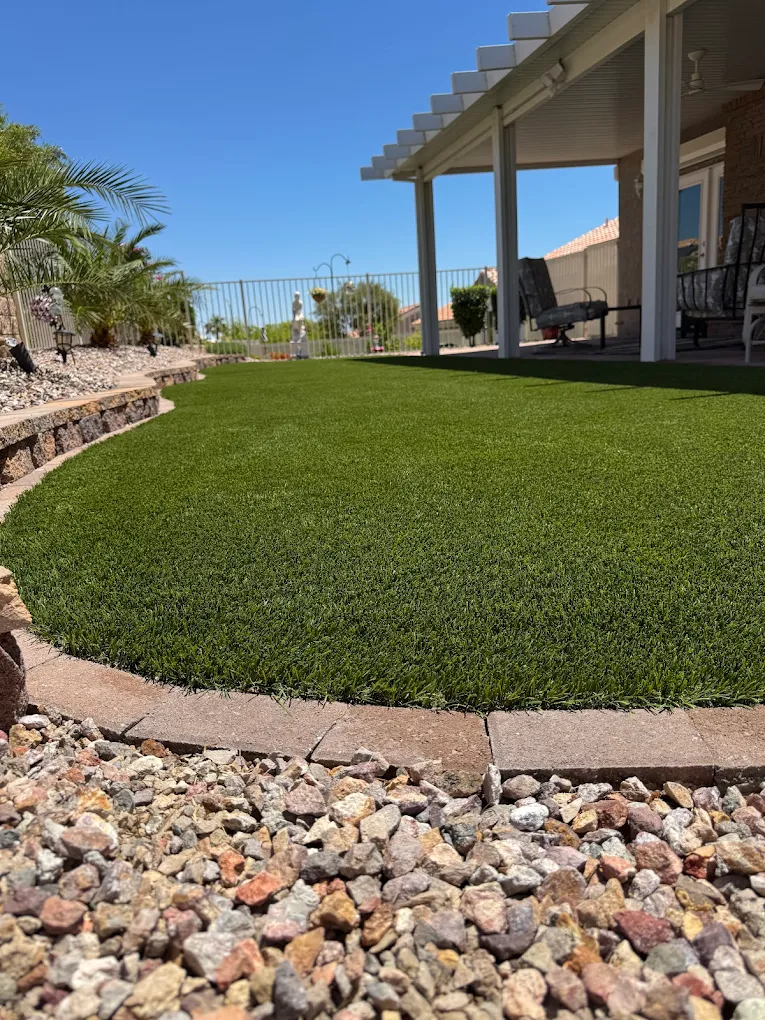
Passive cooling strategies require no ongoing effort or resource consumption once implemented, making them the foundation of any temperature management plan. Shade structures top the list, reducing turf surface temperatures by 30 to 50 degrees in covered areas. Fixed pergolas, retractable shade sails, and solid patio covers each offer different balances of aesthetics, coverage area, and cost. For most Las Vegas properties in Centennial Hills and Green Valley, a combination of fixed shade over primary use areas and retractable shade for flexible coverage provides the best year-round utility.
Turf color selection and infill choice are passive strategies that are most effective when implemented during initial installation but can be partially retrofitted. Lighter turf colors reflect more solar radiation, running 15 to 30 degrees cooler than dark alternatives. Cooling infill products, including acrylic-coated sand and organic materials, absorb and retain less heat than standard silica sand. Together, a light-colored turf with cooling infill can operate 25 to 45 degrees cooler than a dark turf with standard infill, a difference that meaningfully extends the daily comfort window.
Landscape design elements also provide passive cooling benefits. Light-colored pavers, decorative rock, and concrete adjacent to turf areas reflect rather than absorb heat, reducing the ambient temperature around the turf perimeter. Conversely, dark hardscape materials absorb heat during the day and radiate it toward the turf during evening hours, undermining your cooling efforts. When designing or renovating the landscape surrounding your turf in Southern Highlands or North Las Vegas, consider the thermal properties of every material choice.
- Shade structures covering 40 to 60 percent of turf area for maximum benefit
- Light-colored turf with olive or sage tones instead of dark forest green
- Cooling infill products such as acrylic-coated sand or organic alternatives
- Light-colored surrounding hardscape that reflects rather than absorbs solar heat
- Strategic tree placement on south and west exposures for afternoon shade
Active Cooling Systems for Peak Heat Management
Active cooling systems supplement passive strategies during the hottest periods when shade and material selection alone cannot maintain comfortable surface temperatures. Misting systems mounted on pergolas, fences, or dedicated posts provide periodic evaporative cooling that can drop air and surface temperatures by 15 to 25 degrees. High-pressure misting systems using 1,000 psi or higher produce ultra-fine droplets that evaporate before reaching the ground, cooling the air column above the turf without saturating the surface.
Automated sprinkler-based cooling uses a timer-controlled sprinkler system to deliver brief, scheduled water applications to the turf surface during peak heat hours. A 3 to 5 minute spray cycle every 60 to 90 minutes during afternoon hours maintains surface temperatures within a usable range while consuming minimal water. This approach is popular among Henderson and Enterprise homeowners who use their outdoor spaces regularly during summer and want hands-free temperature management throughout the afternoon and evening.
Pair automated cooling with a smart home system or outdoor thermometer to trigger cooling only when turf surface temperature exceeds your comfort threshold, typically 120 to 130 degrees. This approach optimizes water use by cooling only when actually needed.
Need Professional Turf Cleaning?
Get a free, no-obligation quote for your Las Vegas property. Same-day service available.
Zone-Based Temperature Management
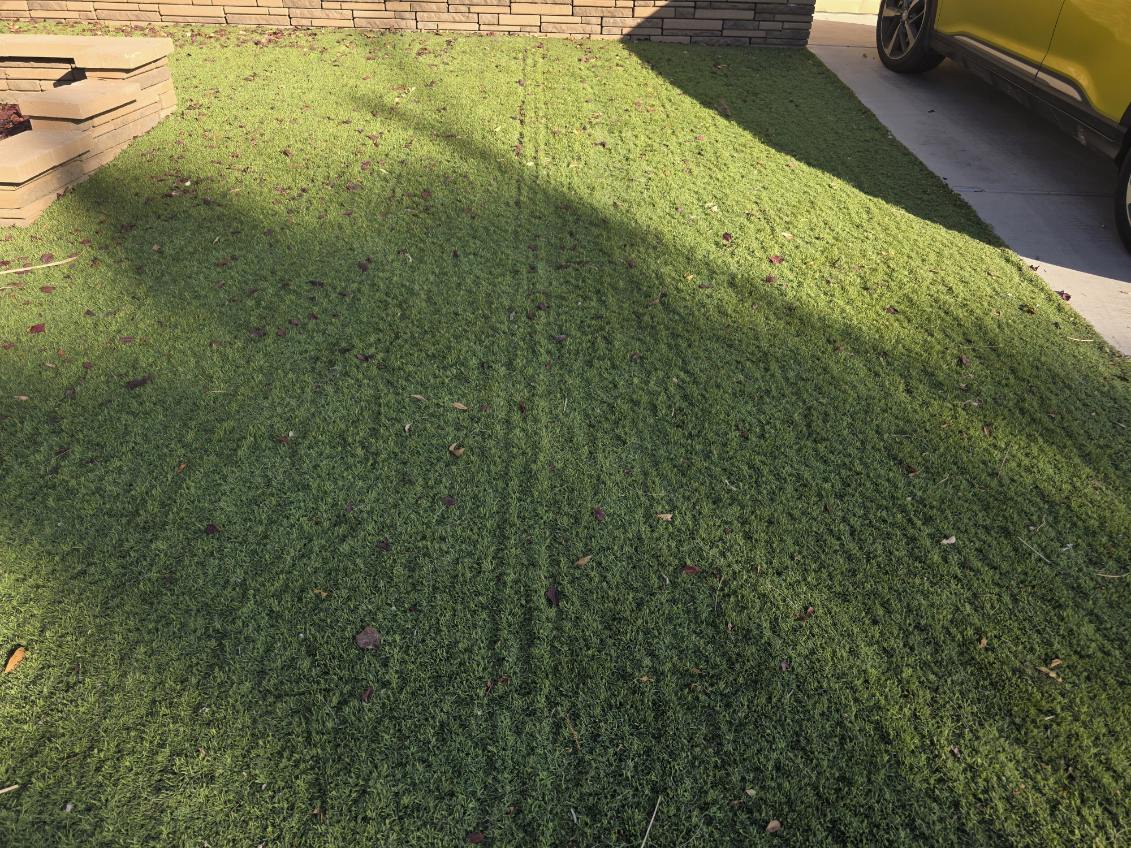
The most cost-effective temperature management approach divides your turf area into zones based on sun exposure, use frequency, and proximity to living areas, then applies appropriate cooling strategies to each zone. The primary zone, typically adjacent to the house and including dining and seating areas, receives the most intensive cooling investment with shade structures, cooling infill, and active cooling systems. Secondary zones that see less frequent use may receive shade only, while remote or decorative turf areas may go unmanaged.
This zone-based approach recognizes that cooling an entire 1,500-square-foot turf area to barefoot-comfortable temperatures is significantly more expensive and resource-intensive than cooling the 400 to 600 square feet that you actually walk on regularly. For Summerlin and Spring Valley properties with large turf installations, zoning the cooling investment concentrates resources where they deliver the most value while accepting that distant turf sections will be hot during summer afternoons.
When planning zones, consider your family's typical movement patterns and use times. The path from the back door to the pool, the area around the outdoor kitchen, and the children's play zone each deserve priority cooling treatment. Transition paths between zones can be managed with stepping stone walkways or shaded corridors that provide comfortable passage without requiring full cooling across the entire surface.
Seasonal Temperature Management Adjustments
Effective temperature management in Las Vegas requires seasonal adjustments as the sun angle, day length, and ambient temperatures change throughout the year. From October through April, most Las Vegas turf areas are naturally comfortable and active cooling systems can be shut down entirely. Retractable shade elements can be opened to maximize sun exposure during winter months, allowing the turf to warm comfortably and extending the usable hours during cooler days in neighborhoods like Boulder City and Paradise.
The transition seasons of May and September require moderate cooling as temperatures climb above and descend below the comfort threshold. During these months, a simple garden hose rinse before planned outdoor use is often sufficient, with shade structures providing passive cooling during the warmest afternoon hours. Full active cooling deployment is typically needed only from June through August, when ambient temperatures consistently exceed 105 degrees and turf surface temperatures climb well above 150 degrees during peak sun exposure.
Measuring and Monitoring Turf Temperature
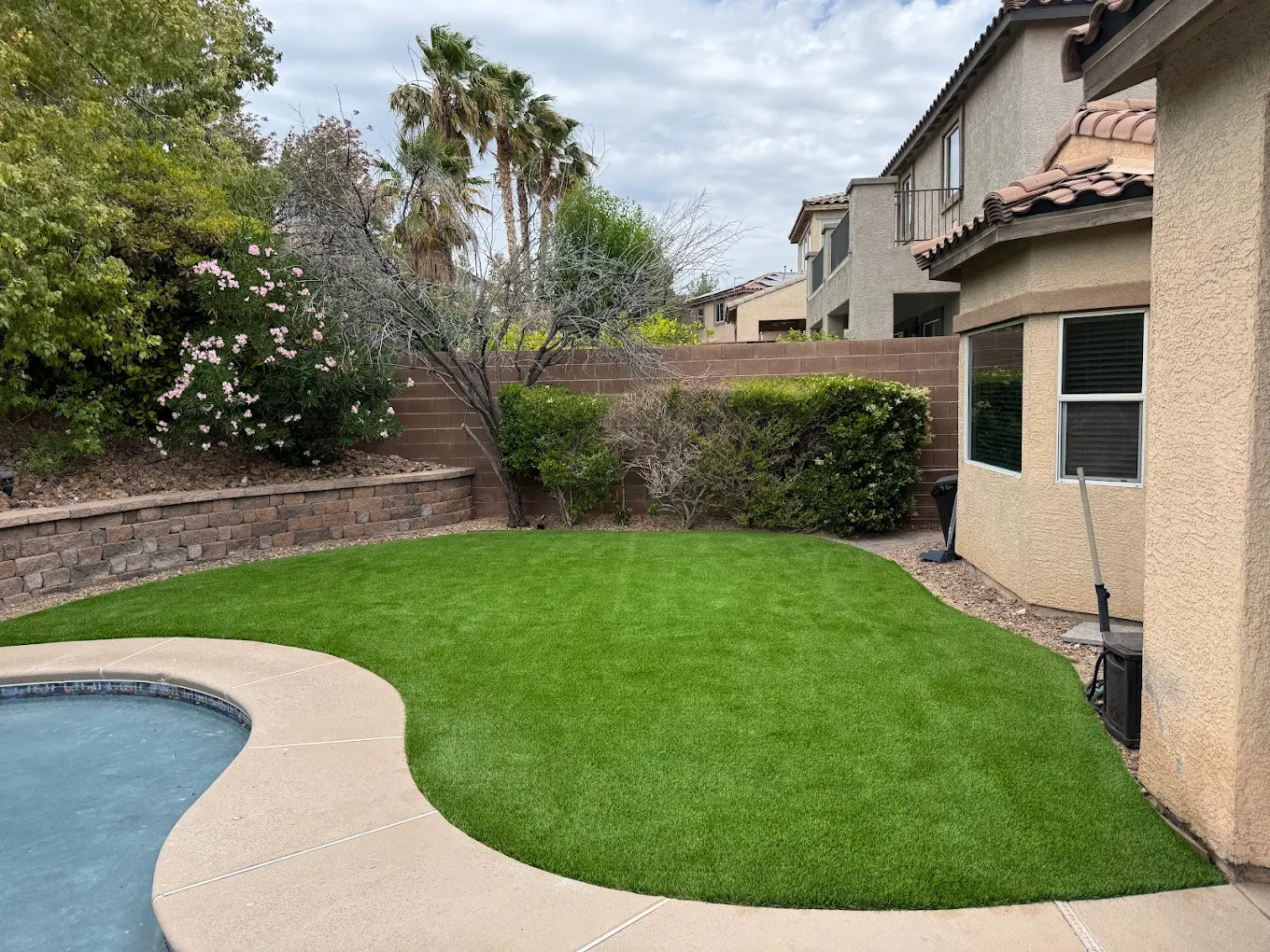
You cannot manage what you do not measure, and a simple infrared thermometer is the most useful tool for understanding and optimizing your turf's temperature behavior. Available for under $20, these point-and-shoot devices give instant surface temperature readings that allow you to map your turf's hot spots, evaluate the effectiveness of your cooling strategies, and make informed decisions about when the turf is safe for bare feet and paws in your Green Valley or North Las Vegas backyard.
Create a temperature map of your turf area by taking readings at multiple points throughout the day during peak summer conditions. Note which areas heat up first, which reach the highest temperatures, and which cool down fastest in the evening. This map reveals where your cooling investments will have the most impact and may expose unexpected hot spots caused by reflected heat from walls, windows, or hardscape elements. Many Las Vegas homeowners discover that targeted interventions based on actual temperature data deliver better results than blanket cooling approaches.
Smart home temperature sensors can automate the monitoring process, triggering alerts when turf surface temperature exceeds your comfort threshold and activating cooling systems automatically. While this represents a higher technology investment, it provides hands-free temperature management that is particularly valuable for families with young children or pets who might venture onto hot turf without checking first.