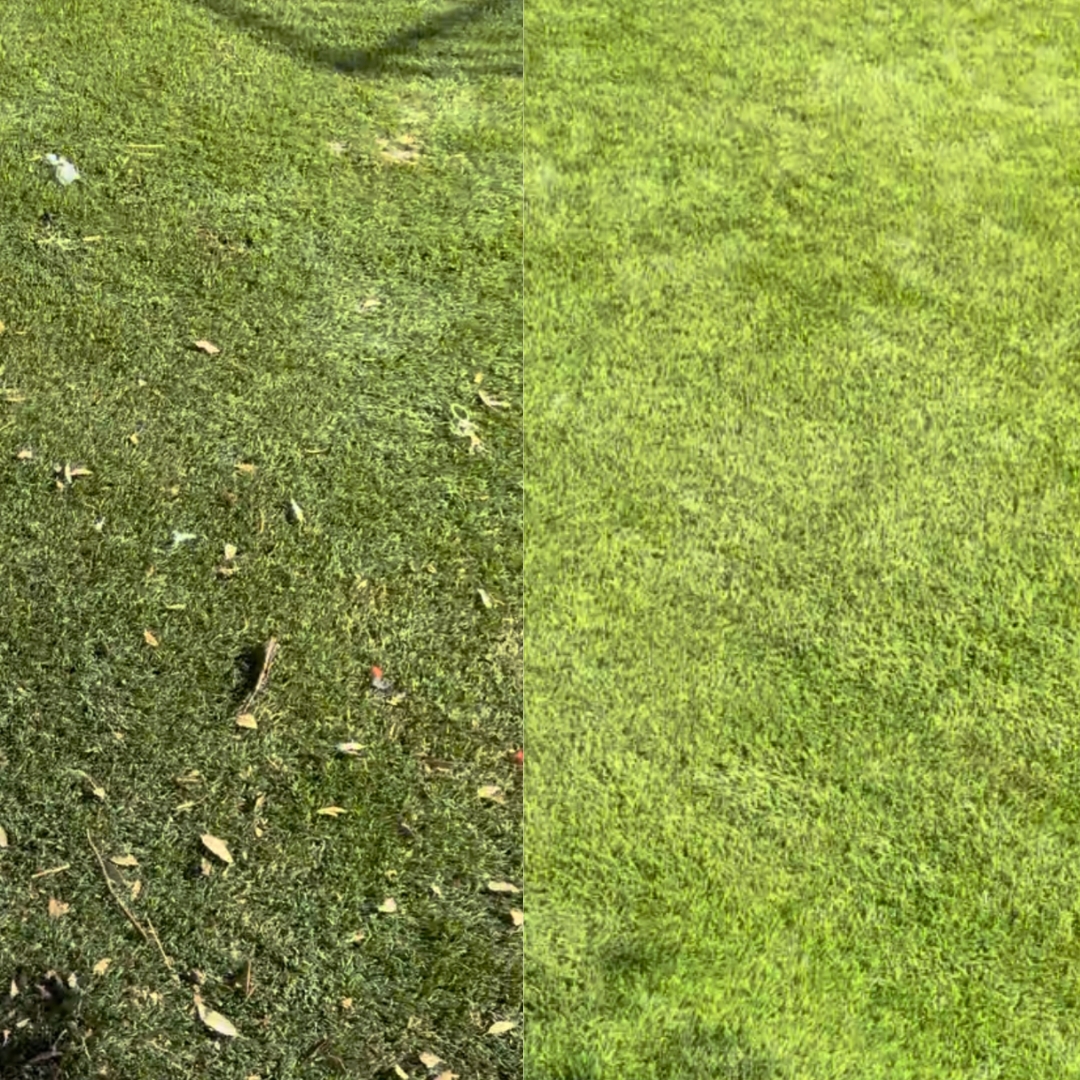
Why Proper Waste Removal Matters More in Las Vegas
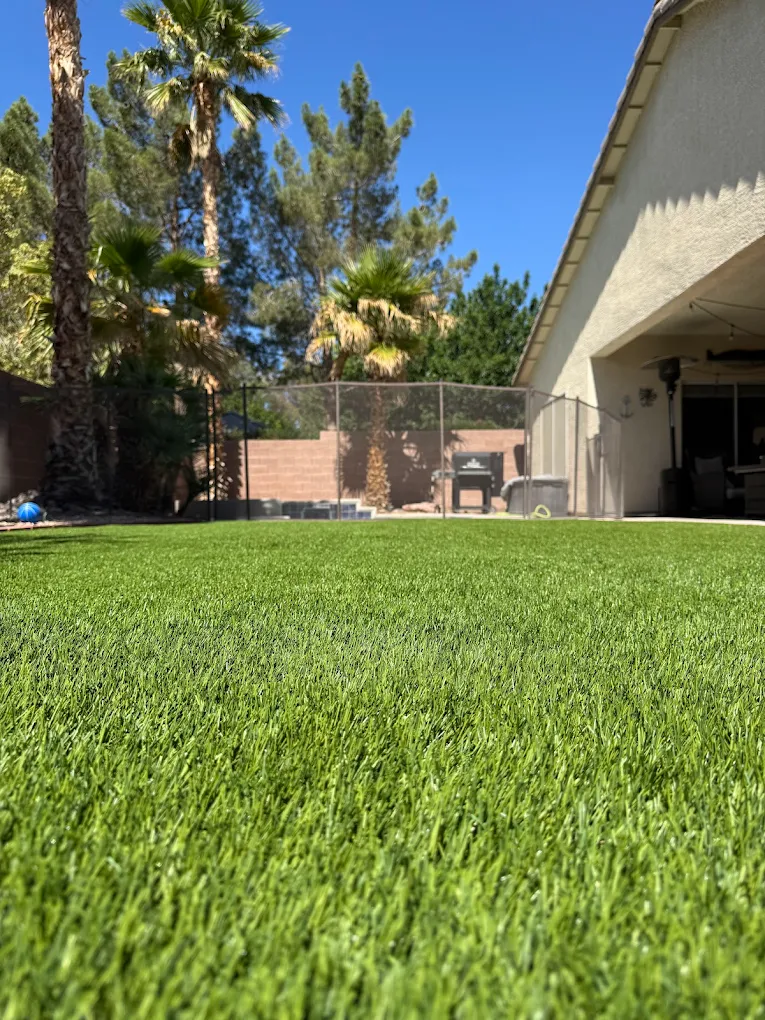
Dog waste left on artificial turf in Las Vegas creates problems far faster than in cooler, wetter climates. The intense desert heat accelerates decomposition and bacterial multiplication, turning a minor cleanup task into a sanitation issue within hours. At summer temperatures of 110 degrees and above, waste that would take days to become problematic in Portland or Seattle becomes a bacterial hotbed in Las Vegas within a single afternoon.
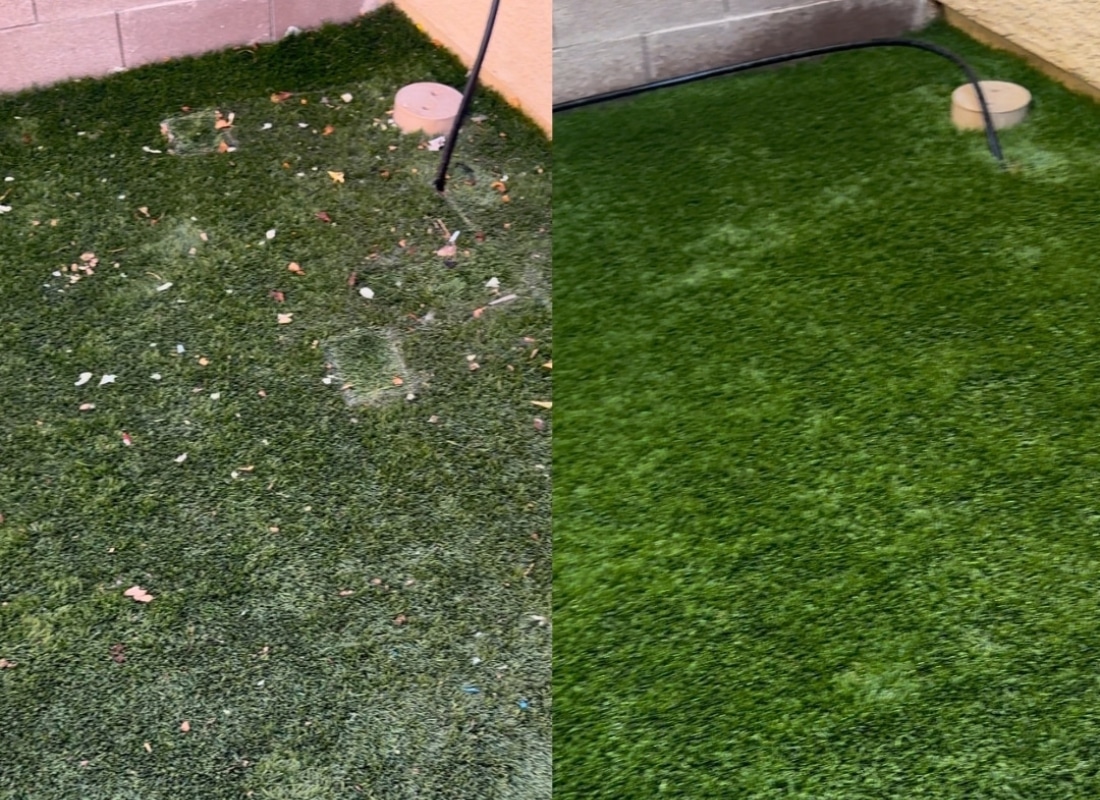
Beyond the obvious odor concerns, improperly removed waste leaves behind residue that works its way into the turf infill. This residue attracts flies and other insects, creates dark stains on turf fibers, and feeds the bacteria responsible for persistent odors that cleaning alone can't resolve. Summerlin and Henderson pet owners who have dealt with chronic turf odor can often trace the problem back to months of incomplete waste removal that allowed contamination to build up in the infill layer.
Proper removal means more than just scooping the visible waste. It means addressing the residue left behind and the liquid that seeps into the turf with every incident. Developing a thorough removal technique takes only an extra minute per pickup but prevents the cascading problems that come from doing it halfway.
Step-by-Step Solid Waste Removal
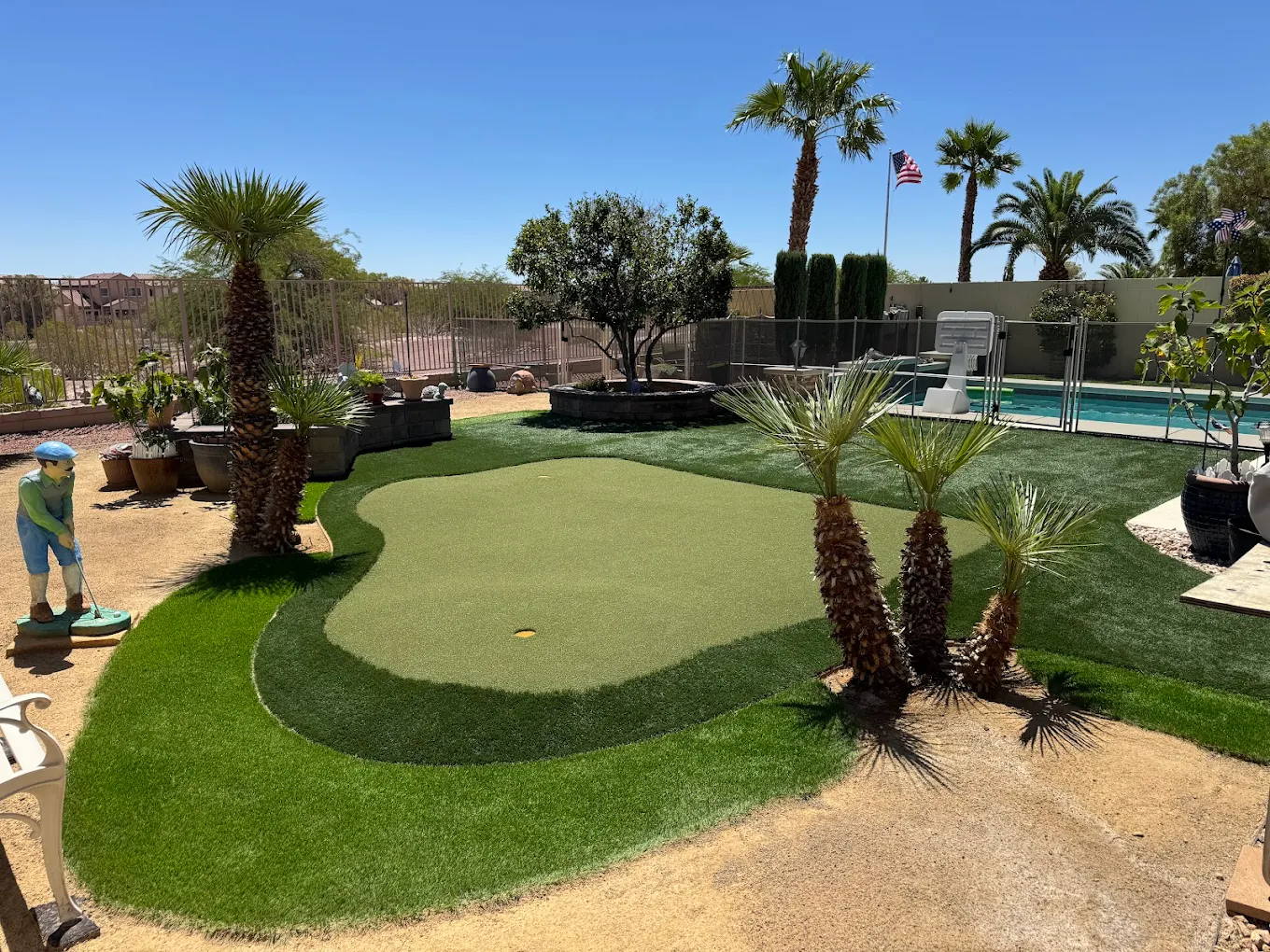
The ideal time to remove solid waste is before it has baked in the Las Vegas sun. Fresh waste picks up cleanly, while waste that has dried and hardened fragments during removal, leaving behind particles that embed in the infill. If possible, remove waste within one to two hours of deposit, or at minimum during your morning and evening yard checks.
Use a dedicated pooper scooper with a flat edge rather than tined rakes or flimsy bags. The flat edge slides across the turf surface and captures residue that a bag-and-hand method misses. After scooping, immediately inspect the area for any remaining material and use a paper towel or disposable wipe to clean the spot. Then rinse the area with a garden hose, directing the spray straight down through the turf to flush any material that penetrated the fibers.
- Remove waste within 1 to 2 hours when possible, before it dries in the heat
- Use a flat-edge scooper for the most complete pickup
- Wipe the area with a disposable cloth to catch residue
- Rinse the spot thoroughly with a garden hose immediately after pickup
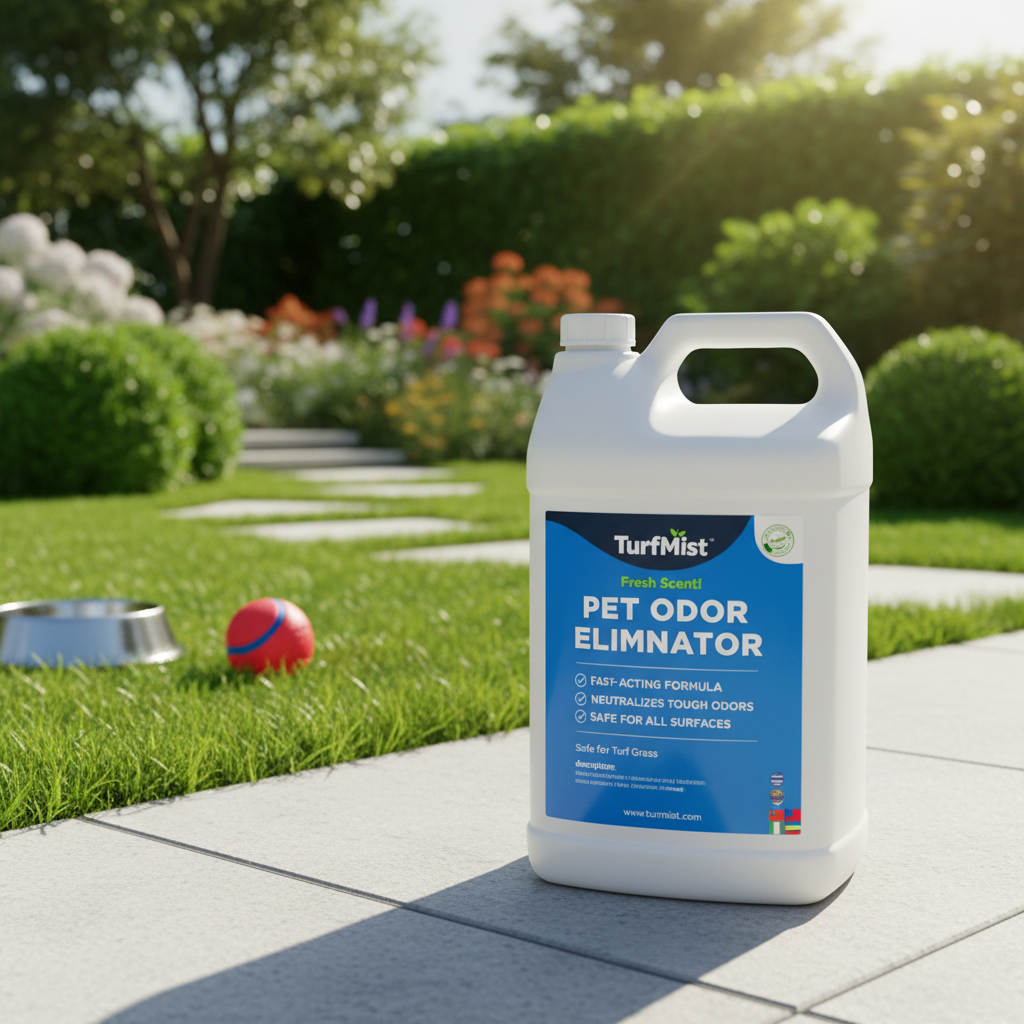
- Apply enzyme cleaner to the spot if waste was soft or had been sitting in the sun
Keep a dedicated waste station near your back door with a scooper, bags, enzyme spray, and paper towels. When everything is within arm's reach, thorough cleanup becomes a quick habit rather than a chore you put off.
Handling Soft or Liquid Waste
Soft or liquid waste presents a bigger challenge than firm stools because it penetrates deeper into turf fibers and infill immediately upon contact. When you encounter soft waste, resist the urge to smear it around with a scooper. Instead, use a piece of cardboard or stiff paper to lift the bulk material, then immediately flood the area with water from your garden hose set to a strong, focused stream.
After the initial flush, apply enzyme cleaner directly to the affected area and let it soak for at least fifteen minutes. The enzymes will break down the organic matter that the rinse couldn't remove. For particularly problematic incidents, sprinkle a light layer of baking soda over the area after the enzyme treatment to absorb additional odor. This two-step approach is especially important during summer months across Paradise, Spring Valley, and throughout the valley when heat intensifies bacterial activity.
If your dog is experiencing chronic soft stools, consult your veterinarian since this may indicate a dietary or health issue. In the meantime, increasing your cleaning frequency and keeping an extra supply of enzyme cleaner on hand helps manage the additional maintenance demand until the underlying cause is resolved.
Need Professional Turf Cleaning?
Get a free, no-obligation quote for your Las Vegas property. Same-day service available.
Best Tools for Turf Waste Removal
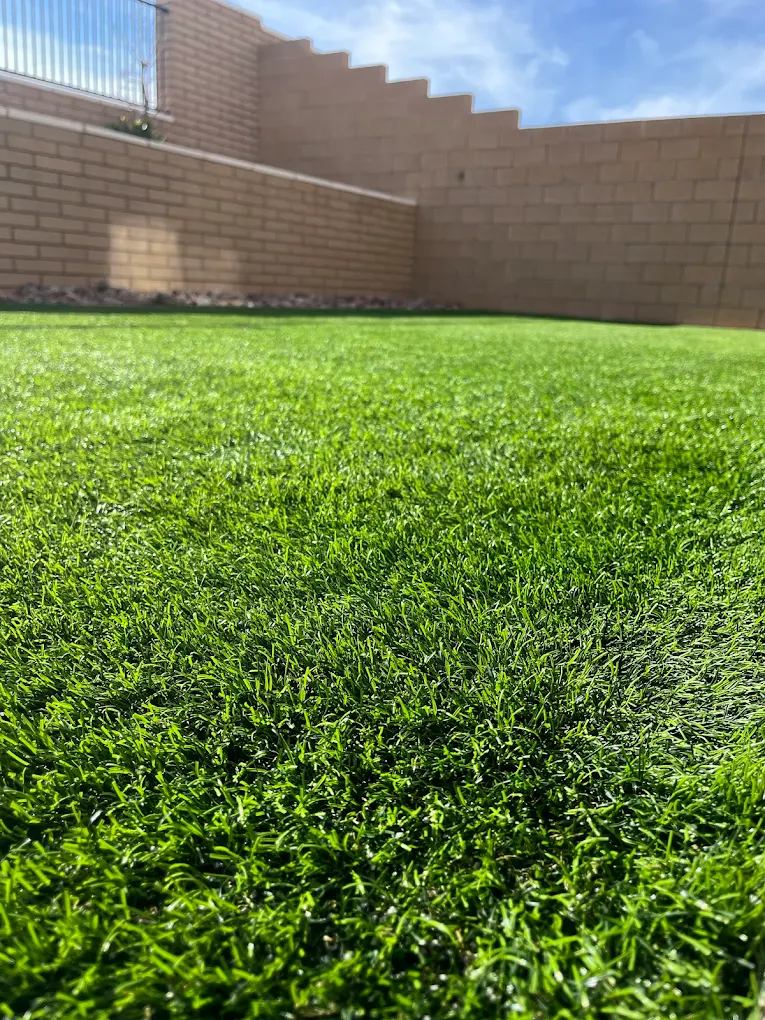
Investing in the right tools transforms waste removal from a dreaded task into a quick, efficient routine. The foundation of your cleanup kit should include a commercial-grade pooper scooper with a replaceable flat blade, a dedicated garden hose nozzle with jet and shower settings, and a supply of enzyme cleaner in a pump sprayer for immediate application. These three items handle 95 percent of daily waste management needs.
For deeper cleaning, a turf-specific power broom or electric brush helps lift matted fibers around areas where waste has been sitting, restoring the turf's appearance after cleanup. Some North Las Vegas and Centennial Hills homeowners also keep a small wet-dry vacuum for situations where soft waste has spread over a larger area. While not necessary for every household, this tool is invaluable for multi-dog homes or dogs with digestive issues.
- Commercial pooper scooper with replaceable flat blade
- Garden hose nozzle with adjustable jet and shower settings
- Pump sprayer filled with diluted enzyme cleaner for spot treatment
- Disposable paper towels or biodegradable wipes for residue cleanup
- Stiff-bristled brush for lifting matted fibers after cleaning
Proper Waste Disposal Methods
How you dispose of collected waste matters for both sanitation and environmental responsibility. Double-bag waste before placing it in outdoor trash cans, especially during Las Vegas summer when single bags can leak or rupture in the heat. Use thick, biodegradable pet waste bags rather than thin grocery bags that tear easily during collection.
Never flush pet waste from artificial turf cleanup into storm drains, as Las Vegas storm water systems are not designed to handle pet waste and drain to sensitive desert ecosystems. Trash collection is the appropriate disposal method for residential pet waste. If you compost, pet waste from herbivore animals can be composted, but dog waste should not be added to compost intended for food gardens due to potential pathogens.
For households producing large volumes of waste, consider a dedicated outdoor waste bin with a tight-sealing lid placed in a shaded location. Line it with a heavy-duty trash bag and empty it at least twice weekly during summer, weekly during cooler months. This prevents the accumulated waste from creating an odor problem at your trash station that rivals the one you're trying to prevent on your turf.
Preventing Long-Term Waste Damage
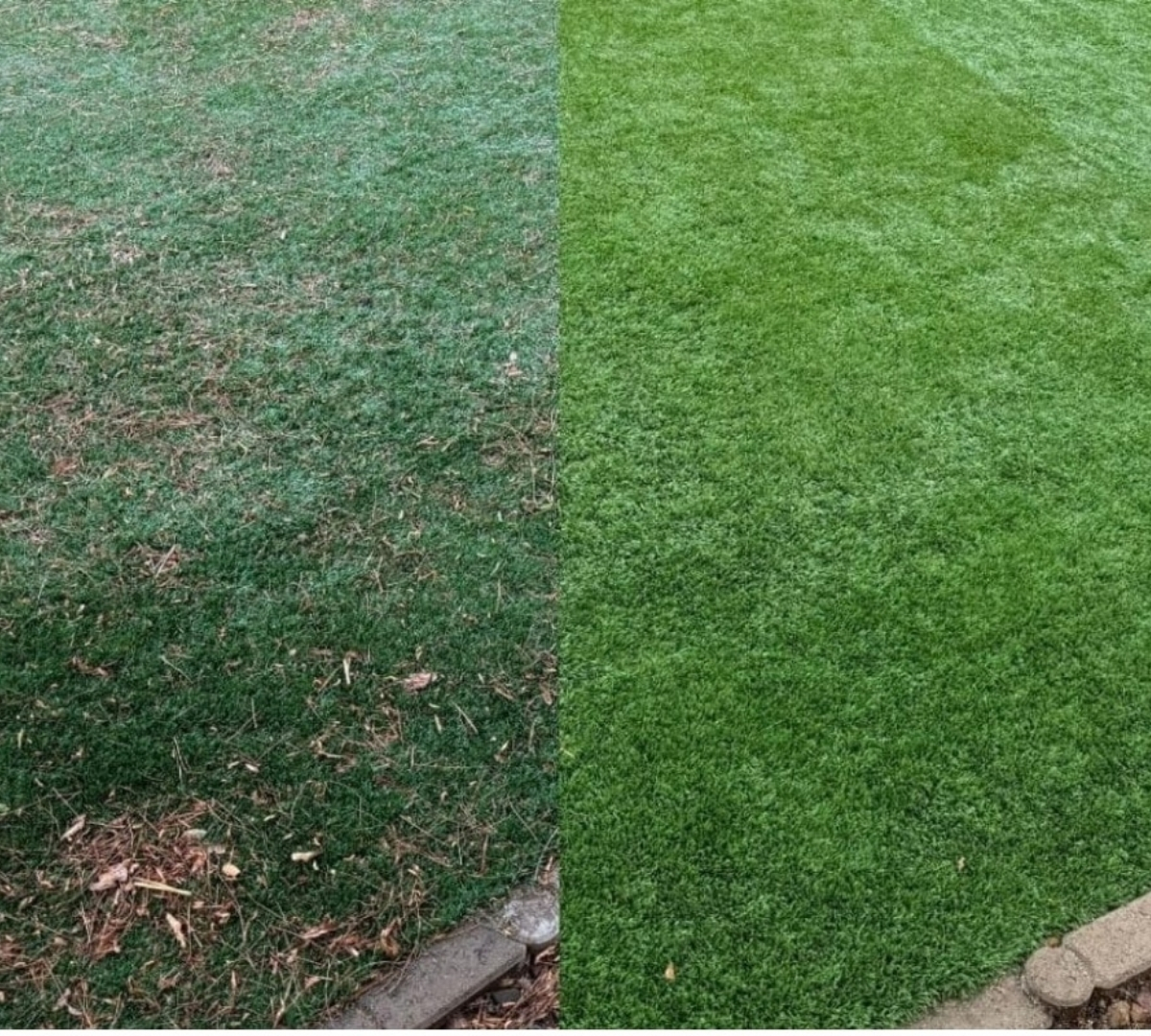
The long-term condition of your artificial turf depends largely on how consistently and thoroughly you handle daily waste removal. Homeowners who stay on top of waste cleanup see their turf last 15 to 20 years with minimal degradation. Those who allow waste residue to accumulate often face expensive infill replacement, deep odor remediation, or even premature turf replacement within just five to eight years.
Monthly inspection of your turf's condition helps catch problems before they become serious. Look for dark patches, areas where infill feels slimy or has an unusual texture, and spots where the turf smells despite recent cleaning. These warning signs indicate that waste residue has been accumulating in the infill and a professional deep cleaning is needed. Enterprise and Green Valley homeowners who schedule these inspections alongside their monthly yard maintenance catch issues early and avoid costly remediation.
Keeping a simple maintenance log helps identify patterns and catch declining conditions early. Note when you last applied enzyme cleaner, when professional cleaning occurred, and any problem areas you've noticed. This record becomes invaluable when consulting with a professional turf cleaning service about targeted treatments.
Set a monthly calendar reminder to inspect your turf infill. Scoop a small amount from the potty zone and smell it. If the infill itself has a strong ammonia odor, it's time for enzyme treatment or infill replacement in that area.