How Dog Urine Affects Artificial Turf
Dog urine creates a cascade of problems on artificial turf that worsen rapidly in the Las Vegas desert climate. The primary issue is ammonia, a natural byproduct of urine decomposition that produces the sharp, pungent odor most pet owners dread. In cooler, wetter climates, rain dilutes and washes urine through the turf regularly. In Las Vegas, where annual rainfall averages just four inches, urine residue accumulates relentlessly without intervention.
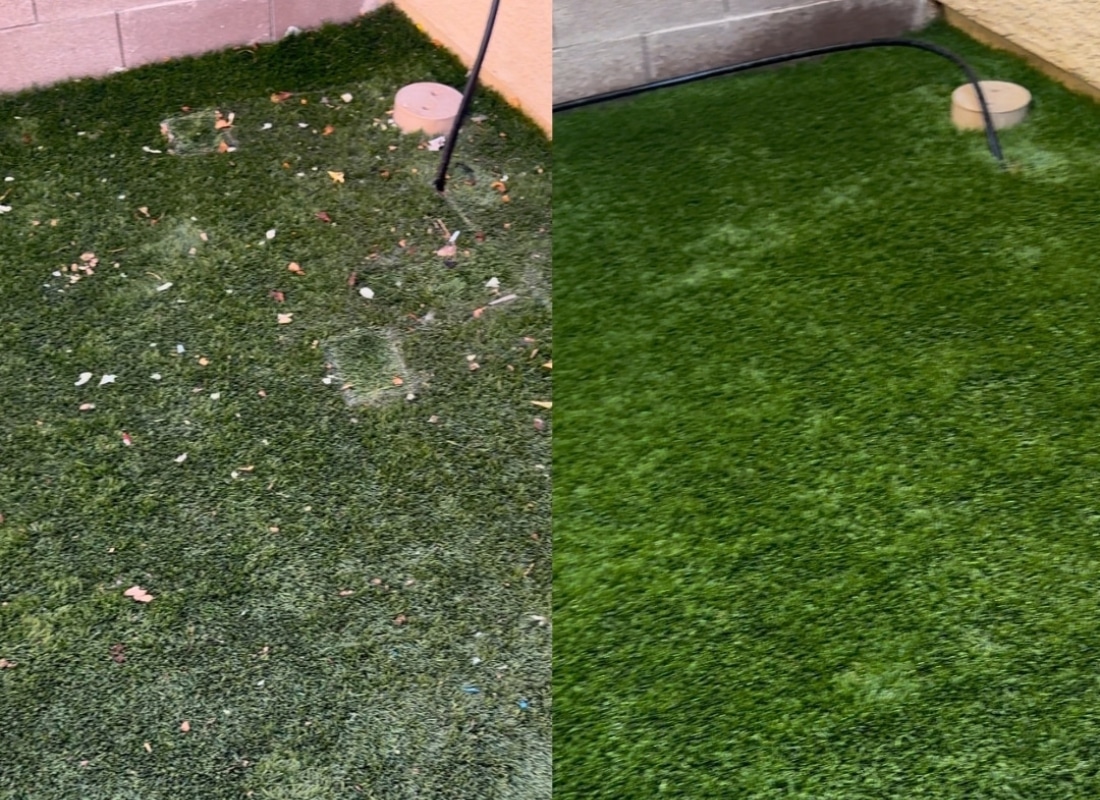
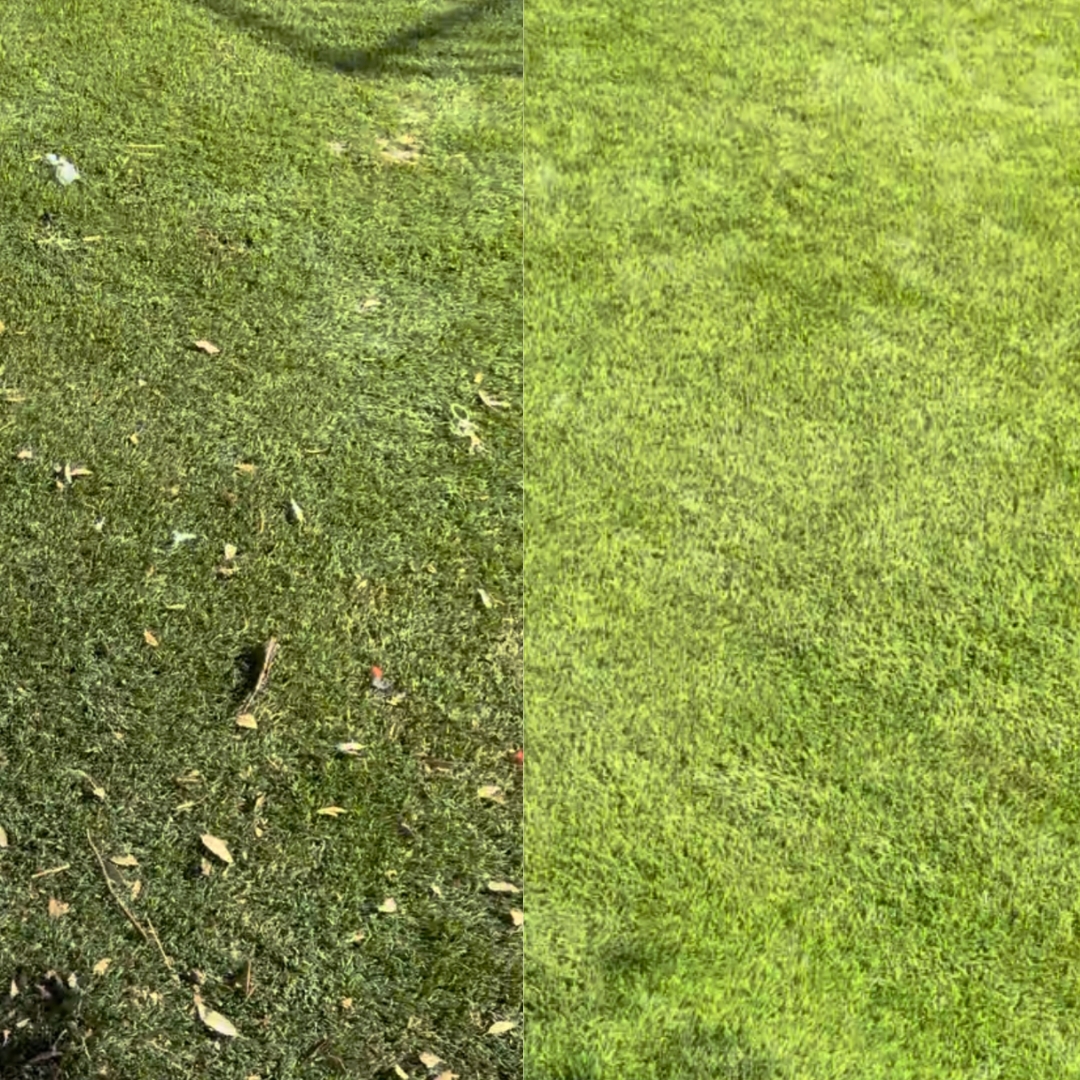
Beyond odor, concentrated urine can cause discoloration of turf fibers over time, particularly on lighter-colored products. The salts and uric acid in dog urine crystallize as moisture evaporates in the dry desert air, leaving behind a residue that bonds to fiber surfaces. These crystals reactivate every time they encounter moisture, whether from a rare rainstorm, irrigation overspray, or morning dew, releasing odor all over again.
The combination of urine buildup and Las Vegas heat creates a bacterial breeding ground in the turf infill. Temperatures above 90 degrees dramatically accelerate bacterial reproduction, which is why Summerlin and Henderson homeowners notice their turf smells significantly worse during summer months even if their dog's habits haven't changed.
Your Daily Urine Prevention Routine
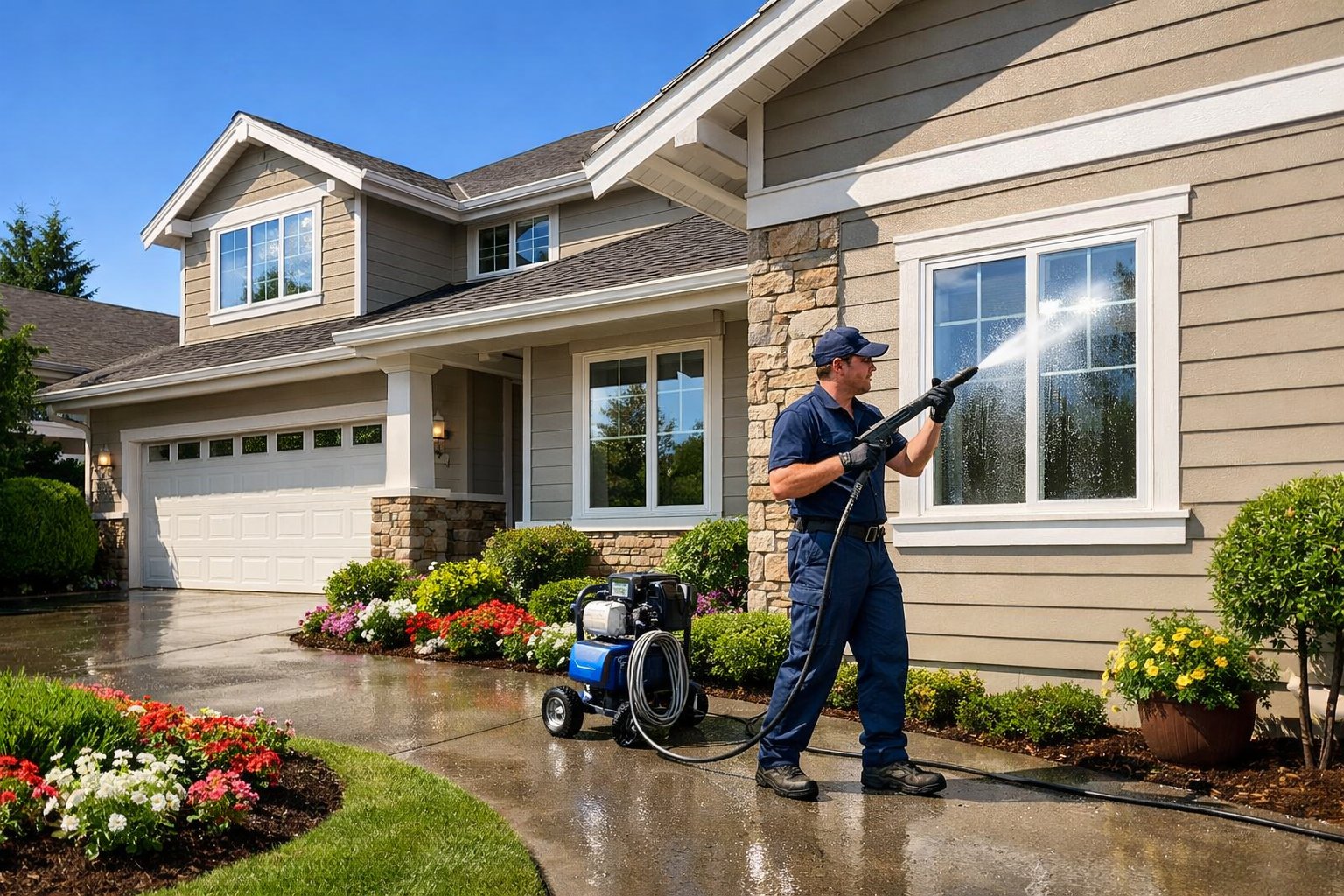
The most effective strategy for preventing urine damage is simple: dilute and flush immediately. Every time your dog urinates on the turf, rinse the spot thoroughly with a garden hose within the hour. This prevents uric acid crystals from forming and flushes ammonia through the drainage system before it can concentrate. In Las Vegas, this daily rinse habit is non-negotiable for maintaining a fresh-smelling yard.
For homeowners who work during the day and can't rinse immediately, a scheduled evening rinse of the entire turf surface is the next best approach. Use enough water to saturate the area where your dog typically goes, ensuring the liquid penetrates down through the infill layer. This is especially important for Paradise and Spring Valley residents who may have multiple dogs using the same yard throughout the day.
Install a timer-controlled sprinkler on your dog's potty zone to automate daily rinsing. A two-minute cycle in the evening uses minimal water but dramatically reduces odor buildup.
Using Enzyme Cleaners Preventatively
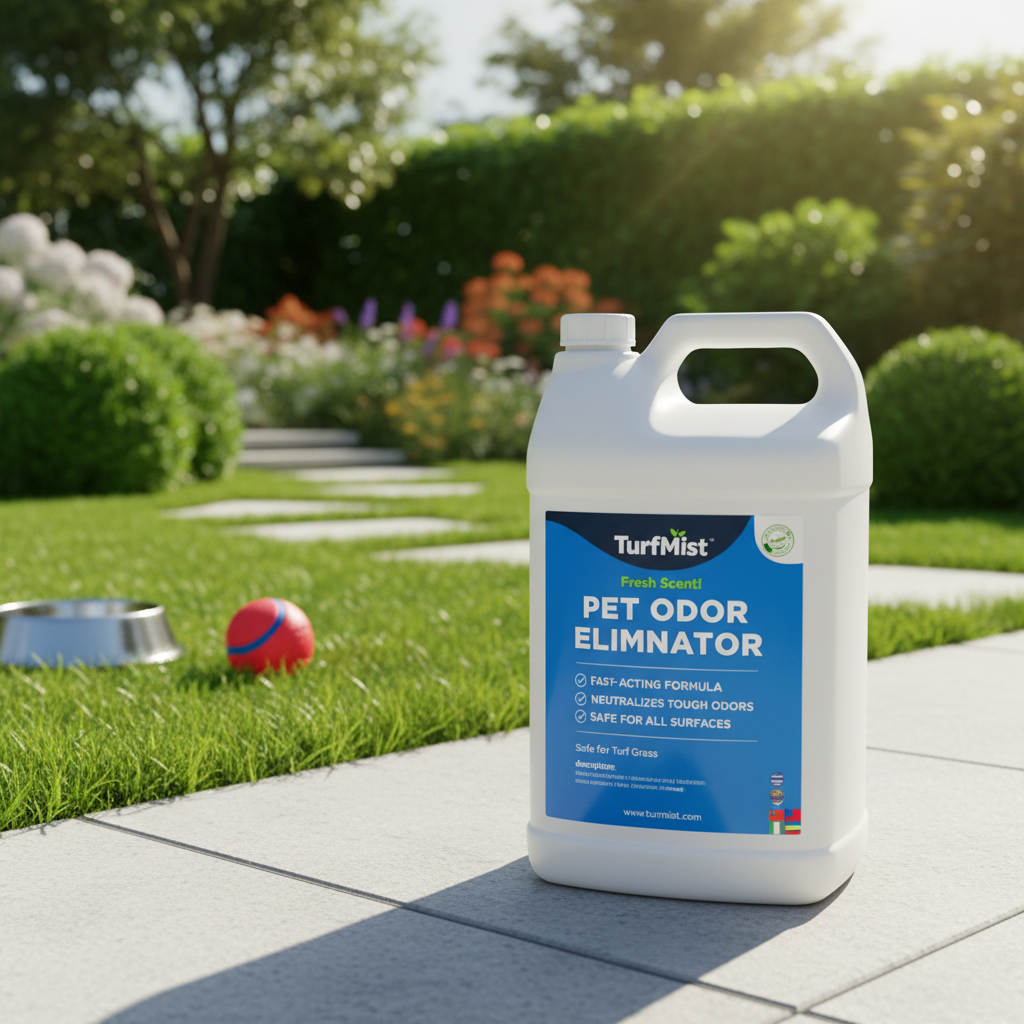
Enzyme-based cleaners are the gold standard for breaking down uric acid crystals and eliminating odor at the molecular level rather than just masking it. Unlike traditional cleaners that use fragrance to cover odors temporarily, enzymes consume the organic matter that causes the smell. For Las Vegas homeowners, applying enzyme cleaner weekly as a preventive measure is far more effective than waiting until odor becomes noticeable.
Apply enzyme cleaner to your dog's primary potty zones after the evening rinse, when the turf is already wet and the temperature is dropping. Enzymes work best in warm, moist conditions, so Las Vegas evenings during the warmer months actually provide ideal activation conditions. Products like Nature's Miracle, BioTurf, and Simple Green Outdoor Odor Eliminator are widely available at Henderson and Summerlin pet supply stores.
During the summer months from May through October, consider increasing enzyme application to twice weekly in high-use areas. The accelerated bacterial growth caused by sustained heat above 100 degrees demands more aggressive prevention. Many North Las Vegas and Centennial Hills pet owners find this doubled schedule makes a dramatic difference in controlling persistent summer odors.
Need Professional Turf Cleaning?
Get a free, no-obligation quote for your Las Vegas property. Same-day service available.
Infill Maintenance for Urine Control
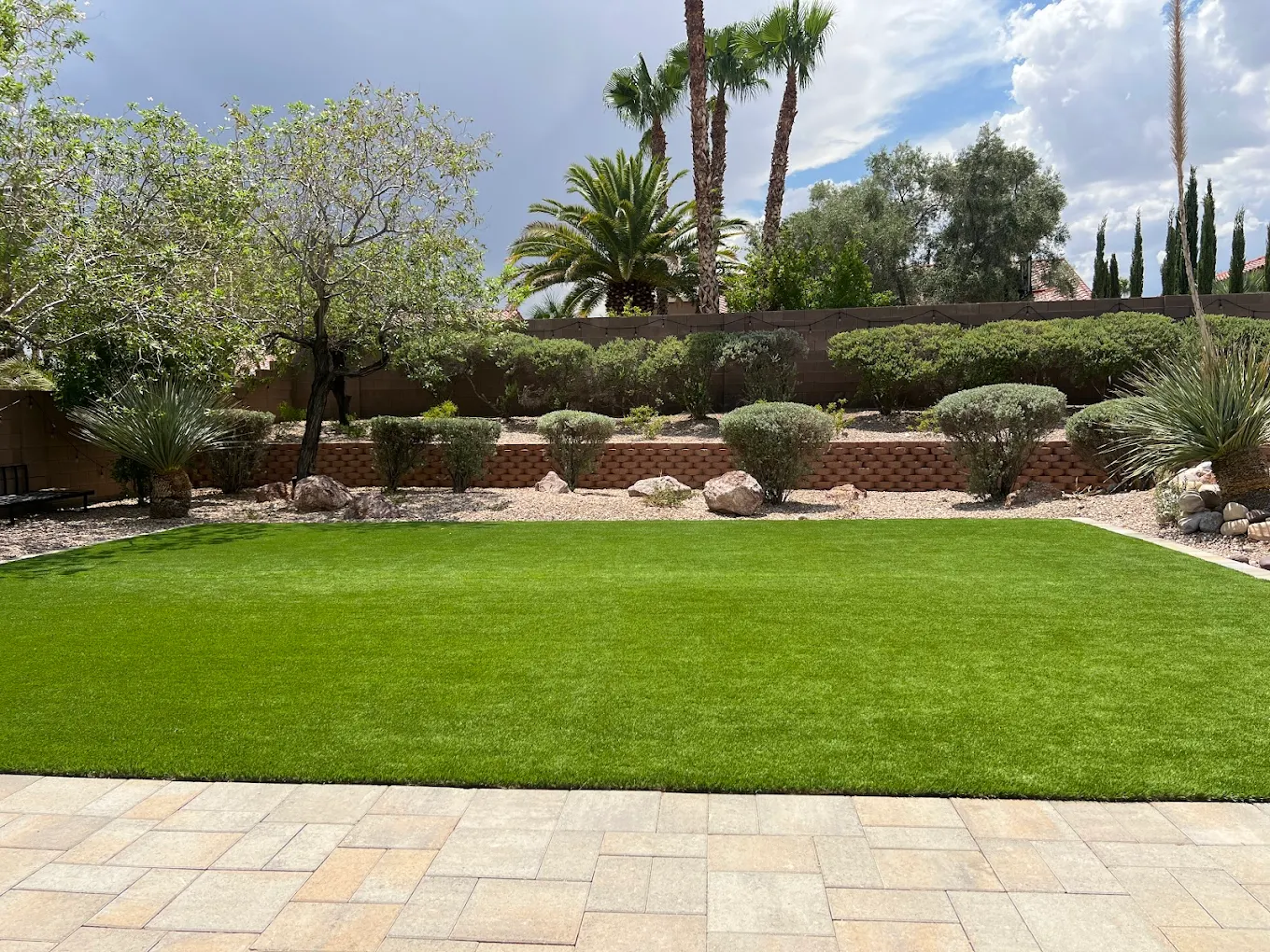
Your turf's infill layer bears the brunt of urine exposure since liquid passes through the blades and settles into this material before draining. Standard silica sand infill offers zero odor control and actually becomes a reservoir for urine salts over time. If your turf was installed with basic sand infill and you have dogs, upgrading to an antimicrobial or zeolite-based infill is one of the most impactful changes you can make.
ZeoFill, a zeolite-based infill, naturally absorbs ammonia and can reduce detectable odor by up to 80 percent compared to untreated sand. It needs to be replenished every 12 to 18 months as the zeolite granules become saturated. Homeowners in Enterprise, Southern Highlands, and Green Valley have reported that switching to ZeoFill alone solved persistent odor problems they had been battling for months with cleaning alone.
- Replace standard silica sand with ZeoFill or Envirofill in pet zones
- Top off antimicrobial infill annually to maintain odor-absorbing capacity
- Rake infill monthly to prevent compaction and maintain drainage
- Remove and replace infill completely every 3 to 5 years in heavy-use areas
- Avoid rubber infill in pet zones due to heat retention and odor trapping
Keeping Your Drainage System Clear
Even the best turf and infill can't prevent urine damage if the underlying drainage system is compromised. Over time, fine debris, mineral deposits from Las Vegas hard water, and crystallized urine salts can clog the drainage layer beneath your turf. Signs of drainage problems include water pooling on the surface, slow-draining rinse water, and persistent odor despite regular cleaning.
Have your sub-base drainage inspected annually, ideally in early spring before the intense heat of summer arrives. A professional turf cleaning service can flush the drainage layer with pressurized water and apply a descaling treatment to remove mineral buildup. This is especially important in older installations across Boulder City and North Las Vegas where the original sub-base may not have been optimized for pet use.
If you're planning a new turf installation and you have dogs, invest in a proper drainage system from the start. A perforated pipe system beneath the aggregate base connected to a dry well or drainage outlet ensures urine doesn't accumulate underground where it can produce odors that rise back through the turf surface.
How Your Dog's Diet Affects Turf Odor
What goes into your dog directly affects what comes out, and diet plays a surprisingly large role in how much damage their urine does to your artificial turf. High-protein diets produce urine with more concentrated urea and nitrogen compounds, leading to stronger odors and more aggressive chemical reactions on turf surfaces. This doesn't mean you should reduce your dog's protein intake without consulting your veterinarian, but awareness helps you adjust your cleaning routine accordingly.
Keeping your dog well-hydrated is one of the simplest ways to reduce urine concentration and its impact on your turf. In Las Vegas, where summer dehydration is a real concern for pets, ensuring constant access to fresh water benefits both your dog's health and your turf's condition. Dogs that drink more water produce more dilute urine that is easier to rinse away and less likely to leave damaging residue.
Adding a water fountain or multiple water stations around your yard encourages your dog to drink more during Las Vegas summers, producing more dilute urine that is far easier on your turf.