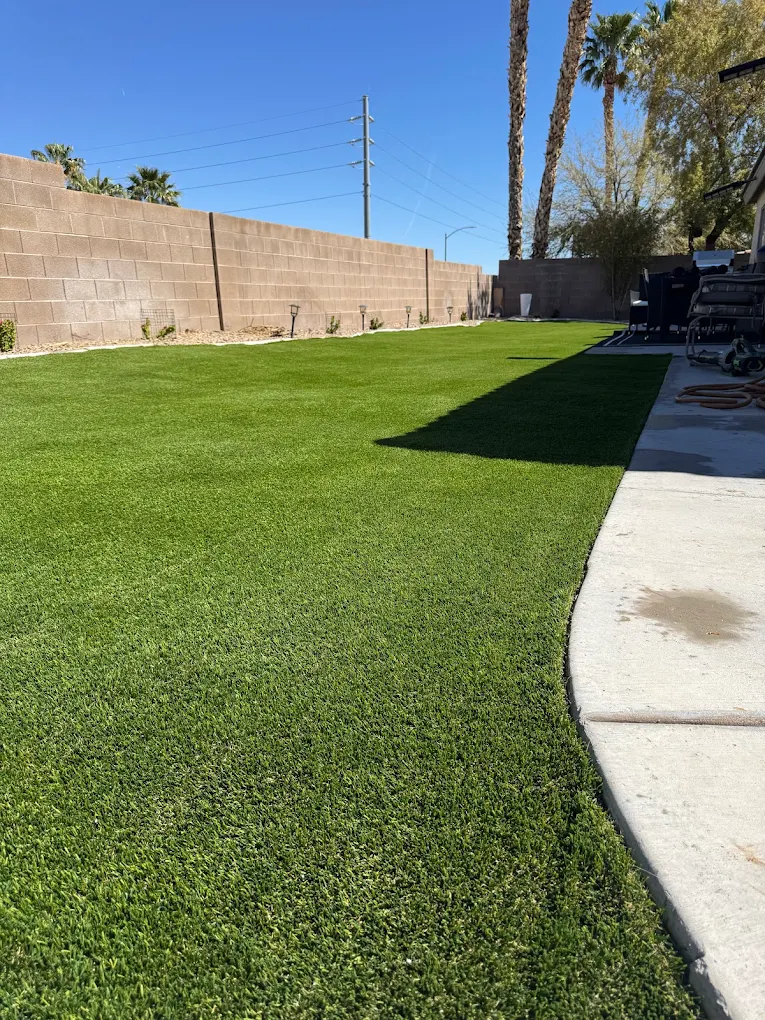
Why Summer Preparation Is Critical in Las Vegas
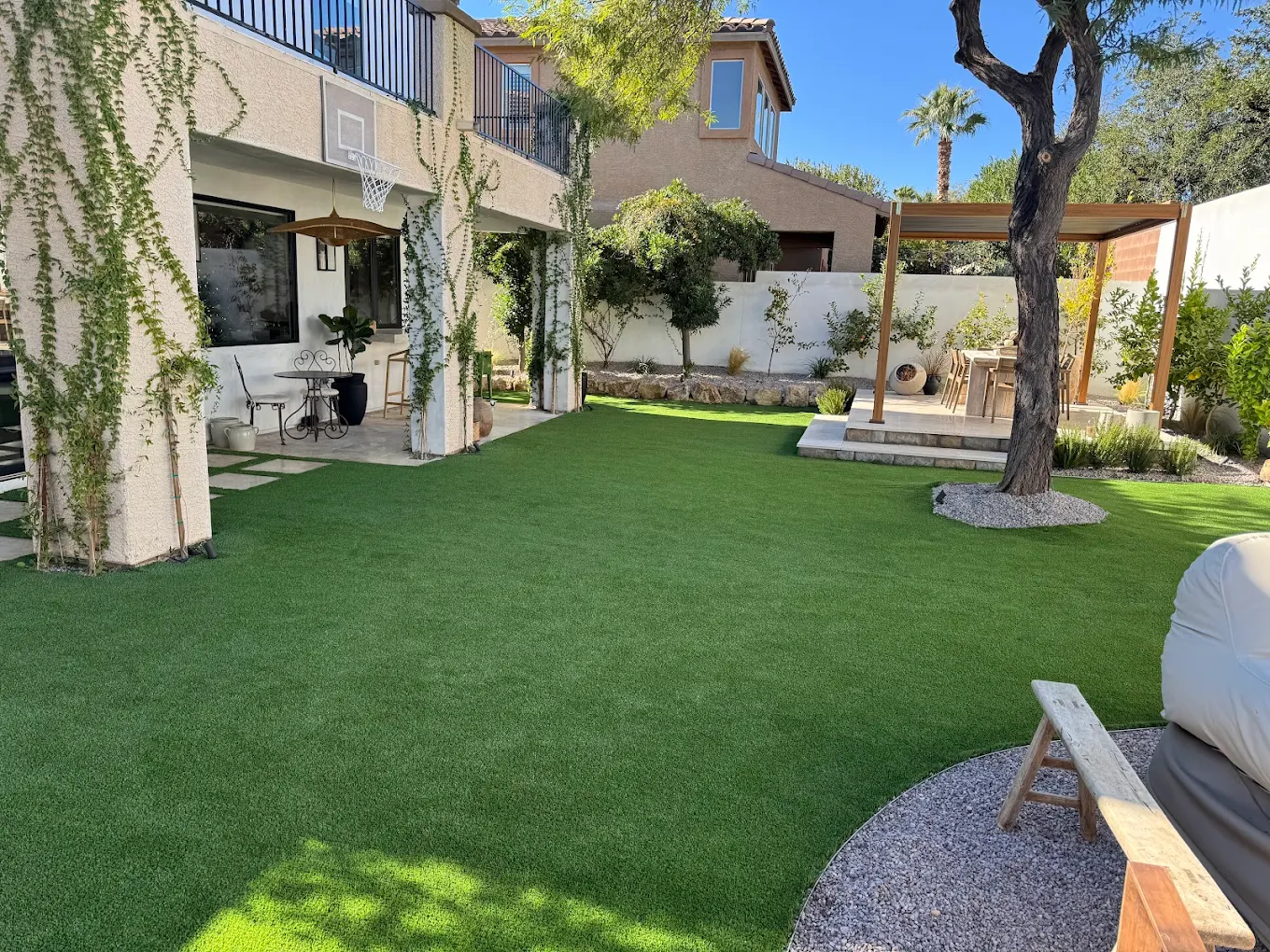
Las Vegas summer isn't just warm, it's extreme. From June through September, daytime temperatures regularly exceed 110 degrees, and artificial turf surfaces can reach a blistering 150 to 180 degrees under direct sunlight. This level of heat stress tests every component of your turf system, from fiber integrity and infill stability to backing adhesion and seam strength. Preparing your turf before the heat arrives gives it the best chance of emerging from summer in good condition, rather than requiring costly repairs in the fall.
The stakes are real for homeowners in Summerlin, Henderson, Paradise, and across the valley. Turf that enters summer with depleted infill, dirty fibers, clogged drainage, or weakened seams will deteriorate faster under heat stress than turf that's been properly maintained and prepared. Think of summer prep as a tune-up for your outdoor space. A few hours of work in April or May protects an investment that typically costs thousands of dollars to replace and ensures your family can enjoy the backyard all season long.
Timing matters more than most people realize. Once daily highs consistently reach triple digits, working on turf becomes uncomfortable and the surface conditions make effective maintenance difficult. Cleaning solutions evaporate before they can work, infill becomes too hot to handle comfortably, and turf fibers are at their most vulnerable to damage from aggressive brushing or pressure washing. Complete your preparation by mid-May to beat the worst of the heat.
Pre-Summer Deep Cleaning
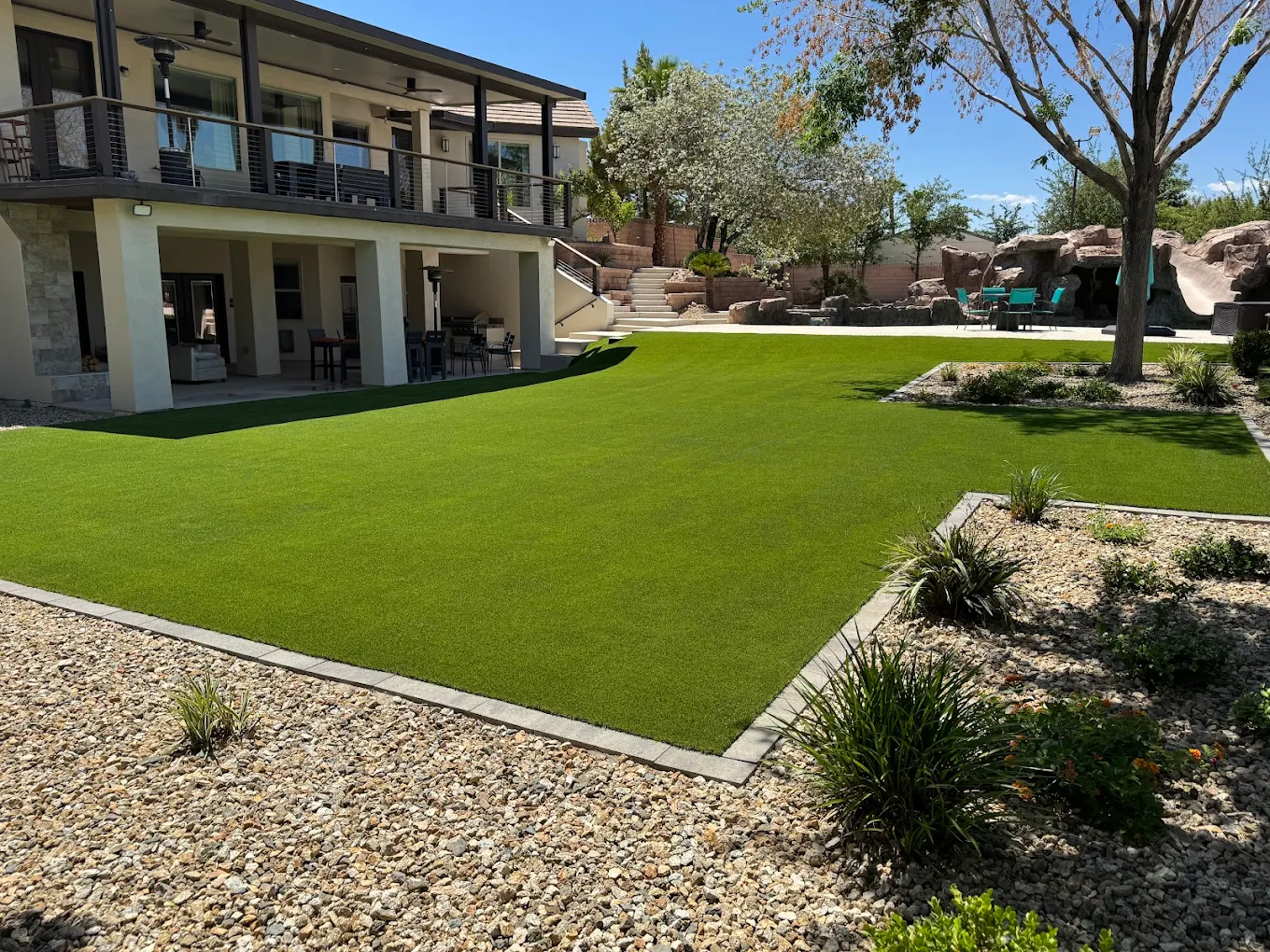
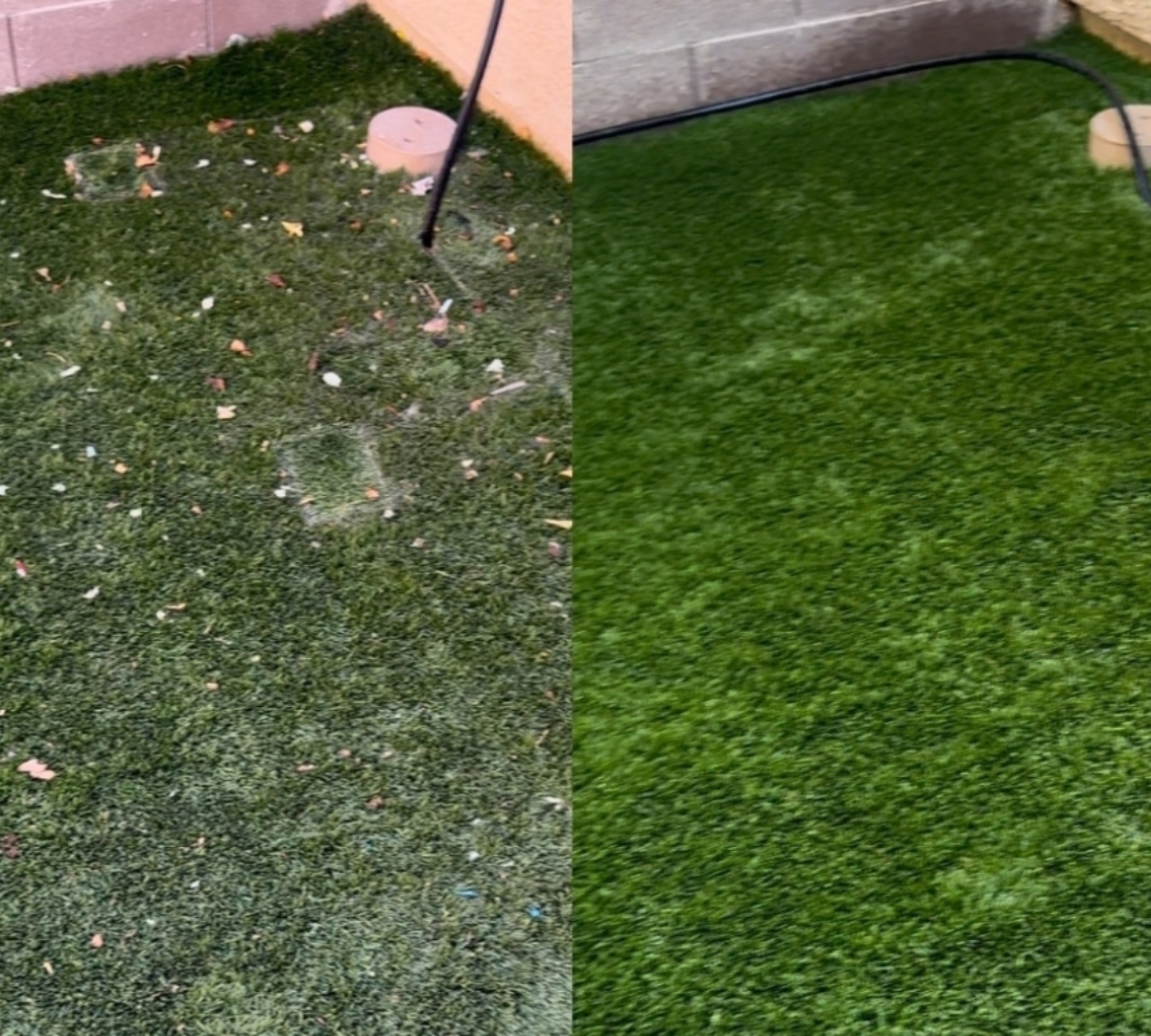
A thorough deep clean is the foundation of summer preparation. Start with a complete debris removal using a leaf blower to clear leaves, twigs, and accumulated organic matter from the turf surface. Follow this with a careful inspection for any stains, discolored areas, or spots where organic matter has decomposed into the fibers over the cooler months. Treat each problem area individually before moving on to a comprehensive rinse of the entire surface.
Once spot treatments are handled, rinse the entire turf area with clean water using a garden hose or, for installations that haven't been professionally cleaned in over a year, consider a gentle power wash at 1,000 to 1,200 PSI. This flush removes accumulated dust from spring wind season, mineral deposits from hard water irrigation, and any remaining organic contamination in the infill. After the rinse, allow the turf to dry completely before proceeding with the next preparation steps. In Centennial Hills and North Las Vegas, spring winds deposit especially heavy dust loads that require extra flushing attention.
Schedule your deep clean after the spring wind season but before Memorial Day weekend. This timing catches the peak debris accumulation from March and April winds while leaving your turf pristine for the first big outdoor gathering of summer.
Infill Level Assessment and Top-Up
After deep cleaning, assess infill levels across your entire installation. Part the fibers at a dozen or more locations, including high-traffic areas, edges, shaded zones, and open center sections. Measure the distance from the backing to the infill surface and compare it to the recommended level for your turf type, typically one-half to three-quarters of an inch below the fiber tips. Wind erosion during the spring months commonly reduces levels in exposed areas of yards throughout Green Valley, Enterprise, and other valley neighborhoods.
Add fresh infill to any areas that have fallen below optimal levels, using the same material type as your existing infill. Proper infill depth heading into summer is critical because it supports fibers against heat-induced softening, provides thermal mass that moderates surface temperature fluctuations, and ensures the drainage system remains functional during monsoon storms. Spread new material evenly, brush it into the fibers, and verify levels again after the material settles.
Need Professional Turf Cleaning?
Get a free, no-obligation quote for your Las Vegas property. Same-day service available.
Managing Surface Temperature in Extreme Heat
Even well-maintained artificial turf gets uncomfortably hot during Las Vegas summers, but several strategies can reduce surface temperatures by 20 to 50 degrees. Light-colored infill reflects more solar energy than dark materials, so if you're due for an infill top-up, choosing a lighter silica sand over dark crumb rubber can make a meaningful difference. Some newer infill products marketed as cooling infill incorporate reflective coatings that further reduce heat absorption.
Strategic shade is the most effective temperature reducer. Installing shade sails, pergolas, or planting fast-growing desert trees along the south and west sides of your turf area blocks direct sunlight during the hottest hours of the day. Homeowners in Spring Valley and Southern Highlands who have added shade structures report surface temperature reductions of 40 to 50 degrees compared to fully exposed sections. Even partial shade makes a significant difference in usability during summer afternoons.
- Use light-colored infill to reduce heat absorption
- Install shade sails or pergolas over heavily used areas
- Rinse turf with water before family activities to reduce surface temperature
- Schedule outdoor time for mornings before 10 a.m. or evenings after 6 p.m.
- Consider cooling infill products with reflective coatings for high-use zones
Protecting Turf from UV Damage
Las Vegas receives approximately 294 sunny days per year, and the UV index regularly reaches extreme levels during summer. This relentless ultraviolet exposure gradually breaks down the polymer chains in turf fibers, causing fading, brittleness, and reduced resilience over time. While most quality artificial turf is manufactured with UV stabilizers, these protective additives are gradually consumed by exposure, meaning the turf becomes more vulnerable as it ages.
You can extend your turf's UV resistance by keeping it clean, as dirt and debris on fibers can actually accelerate UV degradation by trapping heat against the fiber surface. Proper infill levels also help by shading the lower portions of the fibers and the backing material. If your turf is showing early signs of UV damage such as color fading or increased brittleness at the fiber tips, a professional assessment can determine whether a UV-protective treatment might extend its useful life before replacement becomes necessary.
Summer Maintenance Schedule
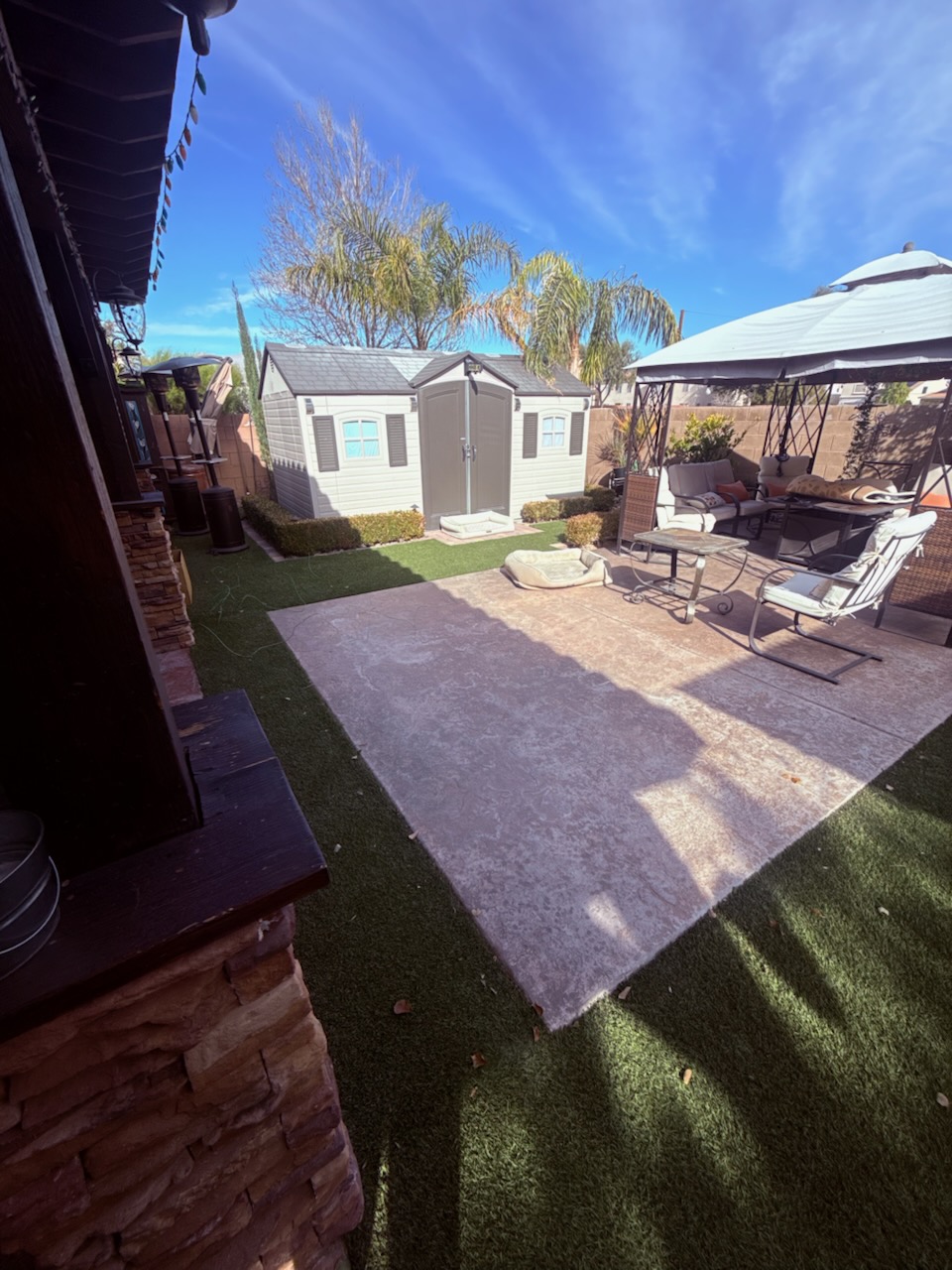
Once your turf is prepped for summer, maintaining it through the hot months requires adjustments to your regular routine. Shift all maintenance activities to early morning, ideally completing outdoor work by 9 a.m. before surfaces become dangerously hot. Reduce brushing frequency during the hottest weeks because heat-softened fibers are more susceptible to damage from aggressive grooming. A light rinse every one to two weeks keeps dust at bay without the intensive scrubbing that cooler-weather maintenance involves.
During monsoon season from July through September, be prepared for sudden cleanup needs after storms. Flash rain deposits debris and can displace infill in low-lying areas of yards in Boulder City, Henderson, and throughout the valley. A quick inspection and cleanup after each significant storm prevents debris from baking into the turf when the sun returns. Keep your basic cleanup supplies easily accessible so you can respond quickly when storms pass through.
Never allow children or pets on artificial turf during peak heat hours without testing the surface temperature first. Turf that reaches 150 degrees or higher can cause serious burns to bare feet and paw pads within seconds of contact.