What Is Artificial Turf Infill and Why It Matters
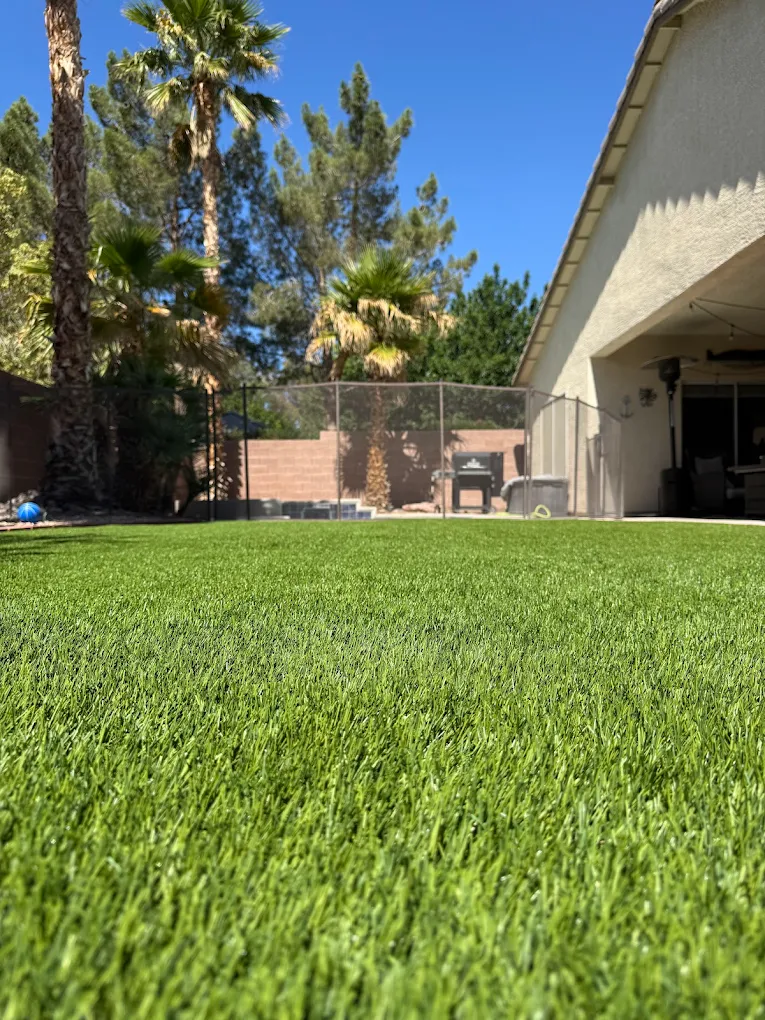
Infill is the granular material spread between the blades of artificial turf that most people never notice until something goes wrong. It serves multiple critical functions: weighing down the turf to prevent shifting and wrinkling, supporting fibers in their upright position, providing cushioning underfoot, and assisting with drainage by maintaining channels for water to flow through the backing. Without adequate infill, your turf investment in Summerlin, Henderson, or anywhere in the Las Vegas valley will deteriorate rapidly.
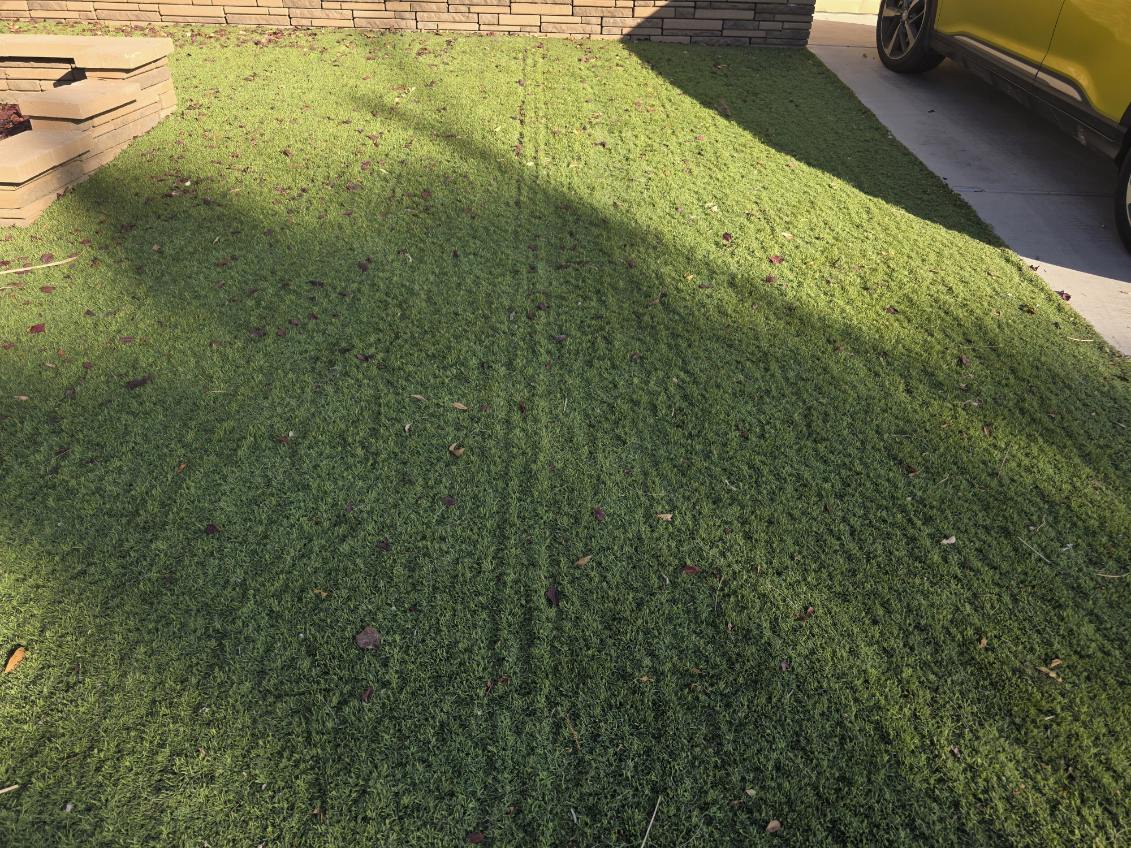
Think of infill as the foundation beneath the visible surface. Just as a building needs a solid foundation to stand properly, turf fibers need infill support to maintain their shape and performance. When infill levels drop, fibers lose their structural support and mat down faster, drainage slows as the surface compacts, the turf develops wrinkles and ripples from thermal expansion, and the overall feel underfoot changes from cushioned to hard and unnatural.
Las Vegas presents specific infill challenges that homeowners in other climates don't face. Wind erosion from desert gusts gradually removes fine infill particles, especially along edges and in open areas of yards across Spring Valley and Paradise. Extreme heat causes certain infill types to expand and compact in cycles, gradually reducing their effective volume. Understanding these desert-specific dynamics helps you maintain infill levels proactively rather than reactively.
Types of Infill Used in Las Vegas
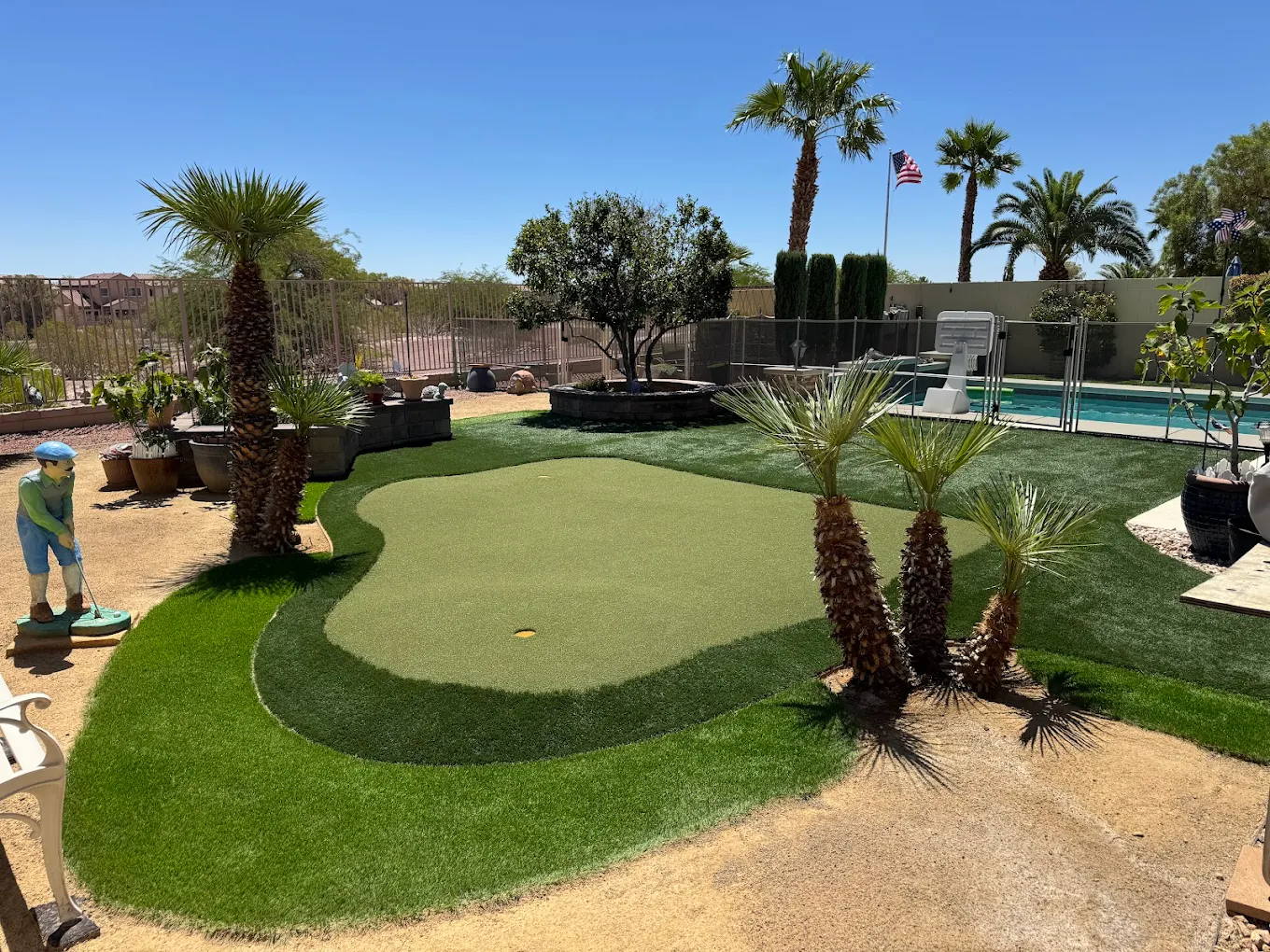
Several infill materials are common in Las Vegas installations, each with distinct properties and maintenance requirements. Silica sand is the most widely used, offering excellent drainage, natural weight, and affordability. It performs well in our hot climate because it doesn't retain heat as aggressively as darker materials and resists breakdown from UV exposure. Most residential installations throughout Green Valley, Enterprise, and Centennial Hills use silica sand as their primary infill material.
Crumb rubber, made from recycled tires, provides superior cushioning and is popular in play areas and athletic installations. However, it absorbs and retains heat significantly more than sand, making it uncomfortably hot on summer afternoons in Las Vegas. Zeolite-coated infill has gained popularity for pet areas because it naturally neutralizes ammonia odors from urine, a valuable feature in a climate where heat intensifies pet odors. Newer organic infill options like coconut fiber and cork are also entering the market, though their long-term performance in extreme desert conditions is still being evaluated.
- Silica sand: Most common, affordable, excellent drainage, moderate heat retention
- Crumb rubber: Superior cushioning, high heat retention, best for shaded areas
- Zeolite-coated sand: Odor-neutralizing properties, ideal for pet areas
- Durafill sand: Round grain, good drainage, less compaction than angular sand
- Organic options (cork, coconut): Eco-friendly, cooler surface, higher cost
How to Check and Monitor Infill Levels
Checking infill levels is a simple process that should be part of your regular maintenance routine. Part the turf fibers in several locations across your lawn and measure the distance from the top of the backing to the top of the infill. For most residential installations, the infill should sit approximately half an inch to three-quarters of an inch below the fiber tips. If you can see significant backing material exposed or the infill is more than an inch below the fiber tips, it's time to add more.
Check at least six to eight spots across your lawn, including high-traffic areas, edges, and open central sections. Infill levels are rarely uniform because wind, foot traffic, and rain redistribute material unevenly. You'll typically find the lowest levels along edges exposed to prevailing winds, in high-traffic walkways, and in areas where water flow concentrates during rain or irrigation. Homeowners in North Las Vegas and Boulder City, where wind exposure tends to be higher, should check levels more frequently than those in sheltered neighborhoods.
Create a simple infill level map of your yard by checking depth at marked spots each quarter. This helps you identify problem areas early and track how quickly infill depletes in different zones, allowing you to target replenishment where it's needed most.
Need Professional Turf Cleaning?
Get a free, no-obligation quote for your Las Vegas property. Same-day service available.
How to Add and Redistribute Infill
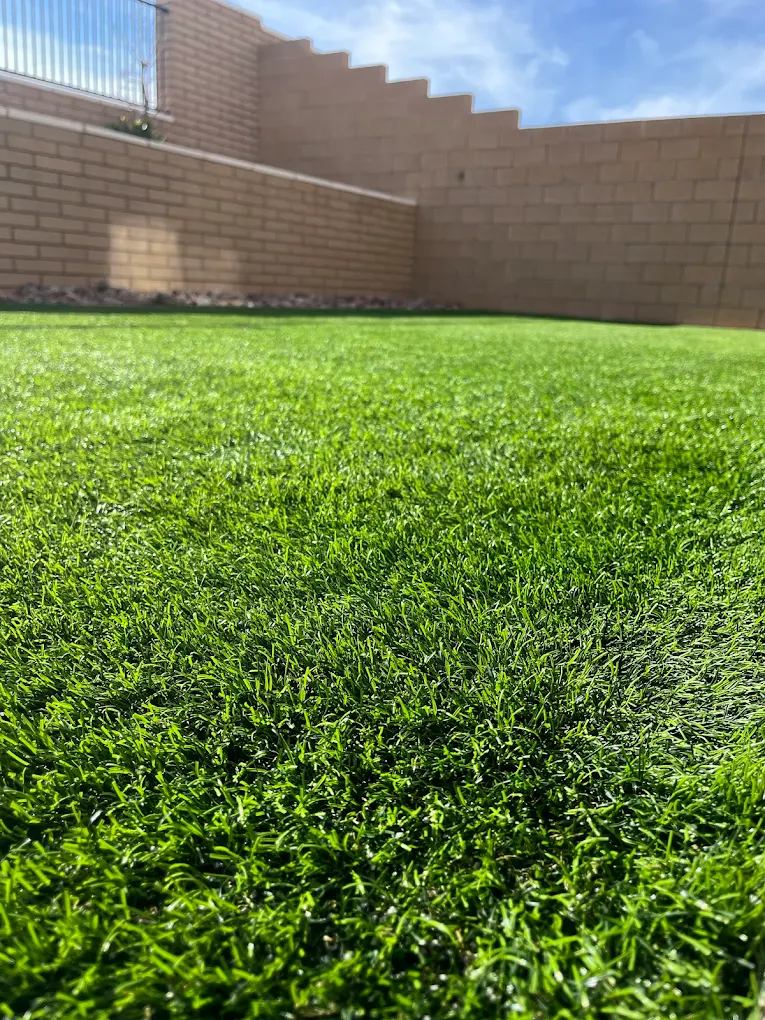
When infill levels have dropped, adding fresh material is straightforward but requires proper technique for even distribution. Purchase the same type of infill currently in your turf, or consult a professional if you're unsure what was originally installed. Spread the new infill across the low areas using a drop spreader for large sections or by hand for smaller spots. Work in thin layers rather than dumping large amounts at once, as thick layers can sit on top of the fibers rather than settling between them.
After spreading, use a stiff push broom to work the infill down into the fiber base. Brush in multiple directions to ensure the granules settle evenly around all fiber blades. For stubborn areas where infill sits on top of the surface, a light watering helps the material settle through the fibers and into position. Check your levels again after settling and add additional material if needed. The entire process for an average Las Vegas backyard takes about an hour and should be performed annually at minimum.
Dealing with Infill Compaction
Infill compaction is different from infill depletion, though the symptoms can look similar. Compacted infill is still present in the turf but has been pressed and packed so tightly that it loses its cushioning properties and can actually impede drainage. This is particularly common in high-traffic areas and on turf that has been installed for several years without deep maintenance. Properties across Paradise and Southern Highlands with heavy outdoor use often experience compaction before they experience depletion.
Breaking up compacted infill requires agitation, either through deep raking with a turf-specific rake, power brushing, or professional decompaction treatment. A stiff turf rake worked vigorously through the fibers and infill loosens compacted material and restores its ability to drain, cushion, and support fibers. After decompaction, the infill may appear to be at a higher level than before because the loosened material occupies more volume. Check levels and redistribute as needed to ensure an even surface across your entire lawn.
Seasonal Infill Maintenance for Las Vegas
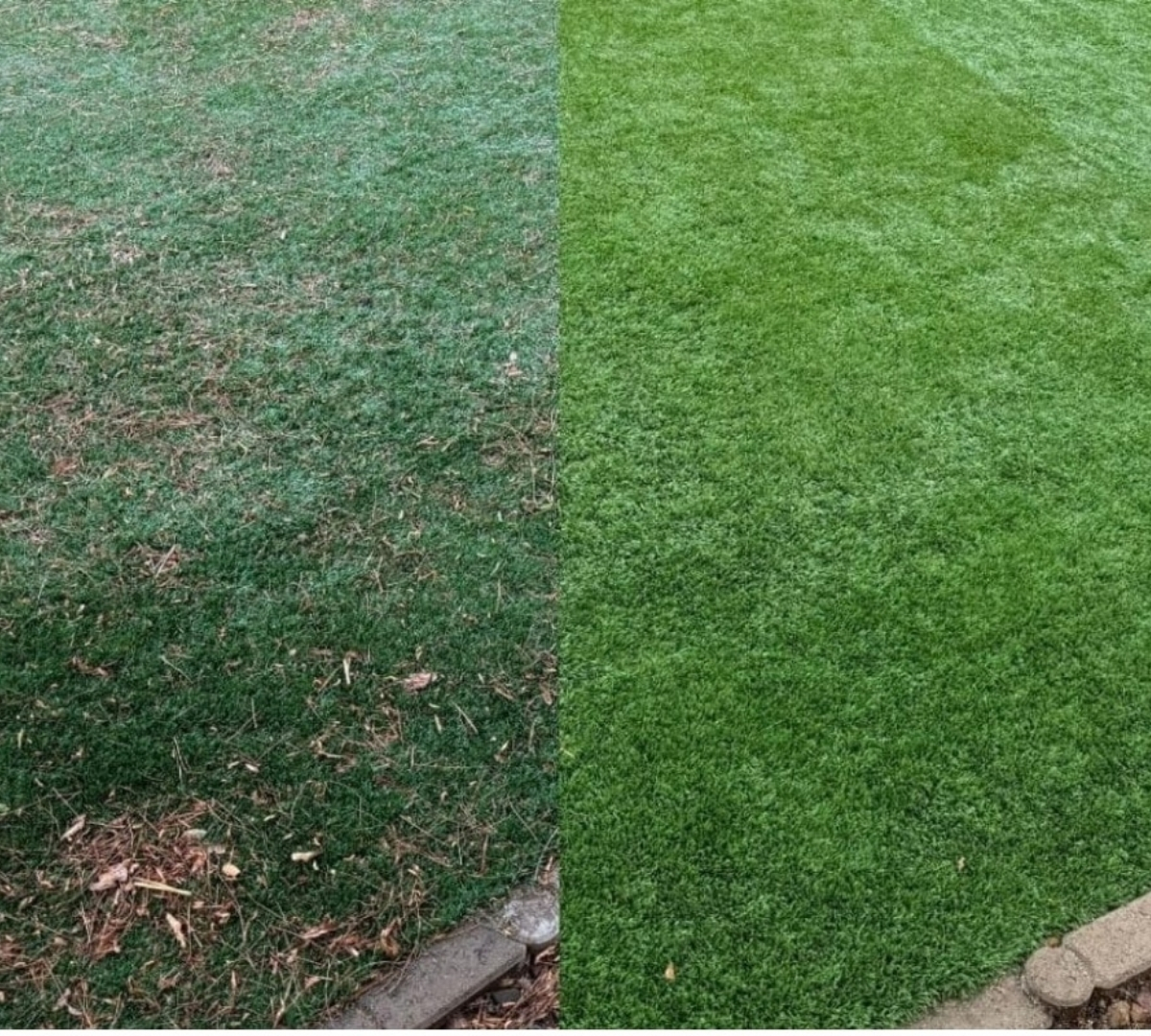
Each season in Las Vegas brings different infill maintenance priorities. Spring is the best time for a comprehensive infill assessment and top-up because it follows the wind season that erodes surface material and precedes the heat that makes outdoor work uncomfortable. Check levels everywhere, add material to low spots, and rake the entire surface to break up any compaction that developed over winter from rain and cooler temperatures that slow natural drying.
Fall, after the monsoon season, is the second critical maintenance window. Summer storms can displace significant amounts of infill through heavy water flow, and the monsoon's driving rains compact whatever remains. A post-monsoon inspection and adjustment in October or November sets your turf up for the milder winter season. During summer, minimize infill disturbance by avoiding heavy turf use during peak heat hours and scheduling any maintenance work for early mornings before the surface exceeds safe working temperatures.
Budget for approximately one bag of infill (50 pounds) per 500 square feet per year for routine maintenance. Properties exposed to strong prevailing winds or with heavy pet and child use may need closer to one bag per 300 square feet annually.