Understanding Las Vegas Desert Soil
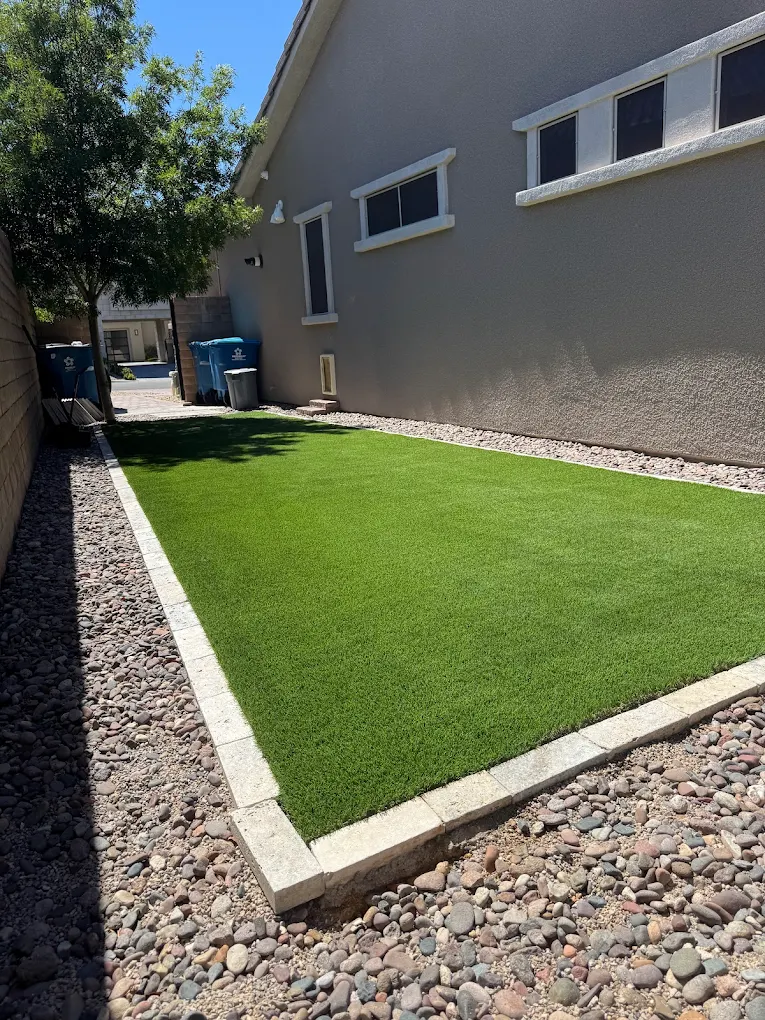
The soil beneath most Las Vegas properties is fundamentally different from the loamy, organic-rich soils found in other parts of the country, and these differences have direct implications for artificial turf installation. The Las Vegas valley floor consists primarily of alluvial deposits washed down from surrounding mountains over millions of years, creating a layered profile of sandy, gravelly material interspersed with deposits of caliche, a calcium carbonate-ceite hardpan that can be as impenetrable as concrete. Properties in Summerlin, Henderson, and across the valley sit on variations of this same basic soil profile.
Caliche is the defining soil challenge of the Las Vegas valley. This naturally occurring calcium carbonate layer forms when mineral-rich groundwater evaporates in the arid climate, leaving behind a cemented layer that can range from a thin crust to a multi-foot-thick slab. Caliche is effectively impervious to water, which means any artificial turf installation that sits above a caliche layer will have severely limited drainage unless the installer accounts for this condition in the base preparation design.
The surface soil in many Las Vegas neighborhoods is a fine, silty sand that compacts readily but has minimal organic content and poor moisture retention. When dry, this soil is loose and dusty. When wet, it can become slippery and unstable. Properties in North Las Vegas and Enterprise that were recently developed on previously undisturbed desert often have the most challenging soil conditions, including surface caliche layers at shallow depths that complicate excavation and base preparation.
The Caliche Problem and How Installers Address It
When an installer encounters caliche during site preparation, the approach depends on the depth and thickness of the caliche layer. Shallow caliche within 6 to 12 inches of the surface often must be broken through or partially removed to create adequate drainage depth for the turf system. This process typically requires a jackhammer, bobcat with a ripper attachment, or in severe cases, controlled mechanical breaking, adding significant time and cost to the installation process.
The critical issue with caliche is drainage. A standard artificial turf installation relies on water percolating through the turf backing, through the aggregate base layer, and into the native soil below. When an impervious caliche layer blocks this final absorption step, water pools on top of the caliche and has nowhere to go. In residential installations across Spring Valley and Paradise, this can lead to waterlogged turf, infill displacement, bacterial growth, and eventually structural failure of the entire system if not properly addressed during installation.
Experienced Las Vegas installers solve the caliche drainage problem through a combination of techniques. Breaking channels through the caliche at regular intervals creates drainage pathways to the permeable soil below. Installing perimeter French drains that capture water from the base layer and route it to the property's storm drainage system provides an alternative drainage path. In extreme cases, a full drainage membrane beneath the aggregate base directs all water to collection points where it can be pumped or gravity-fed to appropriate discharge locations.
Never allow a turf installer to skip soil assessment because the surface soil looks workable. Caliche layers are often hidden beneath 6 to 12 inches of loose soil and will not be discovered until excavation begins. A professional soil probe before signing an installation contract prevents costly mid-project surprises.
Proper Base Preparation for Desert Soil
Base preparation is the most important phase of any Las Vegas turf installation and the area where cutting corners causes the most problems down the line. A proper desert base starts with excavating 3 to 4 inches of native soil, assessing the subsurface for caliche and drainage characteristics, and then building up a compacted aggregate base that provides structural support, drainage, and a smooth surface for the turf membrane. For installations in Centennial Hills and Green Valley on typical alluvial soil, this process is straightforward. For properties with shallow caliche or heavy clay content, additional measures are needed.
The aggregate base material commonly used in Las Vegas is decomposed granite or Class II road base compacted to 90 to 95 percent density. This material provides excellent load-bearing capacity and drainage while maintaining a stable surface that resists shifting under foot traffic. The compaction process is critical in desert soil conditions because the fine sand beneath the aggregate layer can migrate upward through poorly compacted base material, creating soft spots and uneven settling over time.
Proper grading during base preparation ensures that water flows away from structures and toward designated drainage points rather than pooling in low spots on the turf surface. A minimum slope of 1 to 2 percent across the turf area is standard, though properties with known drainage challenges may require steeper grades or supplemental drainage features. In Henderson and Enterprise where some neighborhoods sit on relatively flat terrain with limited natural drainage gradient, creating adequate slope within the base preparation is especially important.
- Excavate 3 to 4 inches of native soil and assess subsurface conditions
- Address caliche layers through breaking, removal, or drainage engineering
- Install 3 to 4 inches of compacted Class II road base or decomposed granite
- Achieve 90 to 95 percent compaction density verified with a plate compactor
- Grade the base at minimum 1 to 2 percent slope toward drainage outlets
- Install weed barrier fabric between the compacted base and the turf
Need Professional Turf Cleaning?
Get a free, no-obligation quote for your Las Vegas property. Same-day service available.
Drainage Solutions for Las Vegas Turf Properties
Given the combination of impervious caliche soil and occasional intense monsoon rainfall, drainage engineering is a critical component of Las Vegas turf installations. French drains installed along the turf perimeter at base level collect water that percolates through the turf and aggregate base, routing it to the property's storm drainage system or to a suitable discharge point. These drains are particularly important for properties in Southern Highlands and Boulder City where caliche layers are close to the surface and natural soil absorption is minimal.
For larger installations or properties in low-lying areas of the valley, catch basins or dry wells provide additional drainage capacity to handle peak water volumes during monsoon storms. A well-designed drainage system should handle not only routine turf rinsing and light rain but also the intense downpours that deliver an inch or more of water in under an hour during monsoon season. Undersized drainage is a common installation shortcoming in Las Vegas, often resulting from installers applying specifications designed for moderate rainfall regions rather than accounting for the feast-or-famine precipitation pattern of the Mojave Desert.
Why Soil Testing Matters Before Installation
A pre-installation soil assessment is inexpensive insurance against costly drainage and stability problems that may not appear until months or years after installation. A basic soil probe, which involves driving a steel rod into the soil at multiple points across the installation area, reveals the depth and thickness of any caliche layers, identifies variations in soil composition, and provides information about natural drainage characteristics. This assessment typically costs $100 to $300 and can save thousands in remediation costs.
Soil conditions can vary dramatically even within a single property in Las Vegas. A yard in Paradise might have loose sandy soil along the east side and solid caliche at 8 inches on the west side, requiring different base preparation approaches within the same installation. Without soil testing, an installer working from a single-approach plan may create an installation that performs well in one area but fails in another. The relatively small investment in pre-installation soil assessment delivers peace of mind and informed decision-making for the entire project.
Request that your installer perform soil probing at a minimum of 4 points per 500 square feet of planned turf area. This density of testing catches most soil variations and provides enough data to design an appropriate base and drainage system.
Managing Soil-Related Settling After Installation
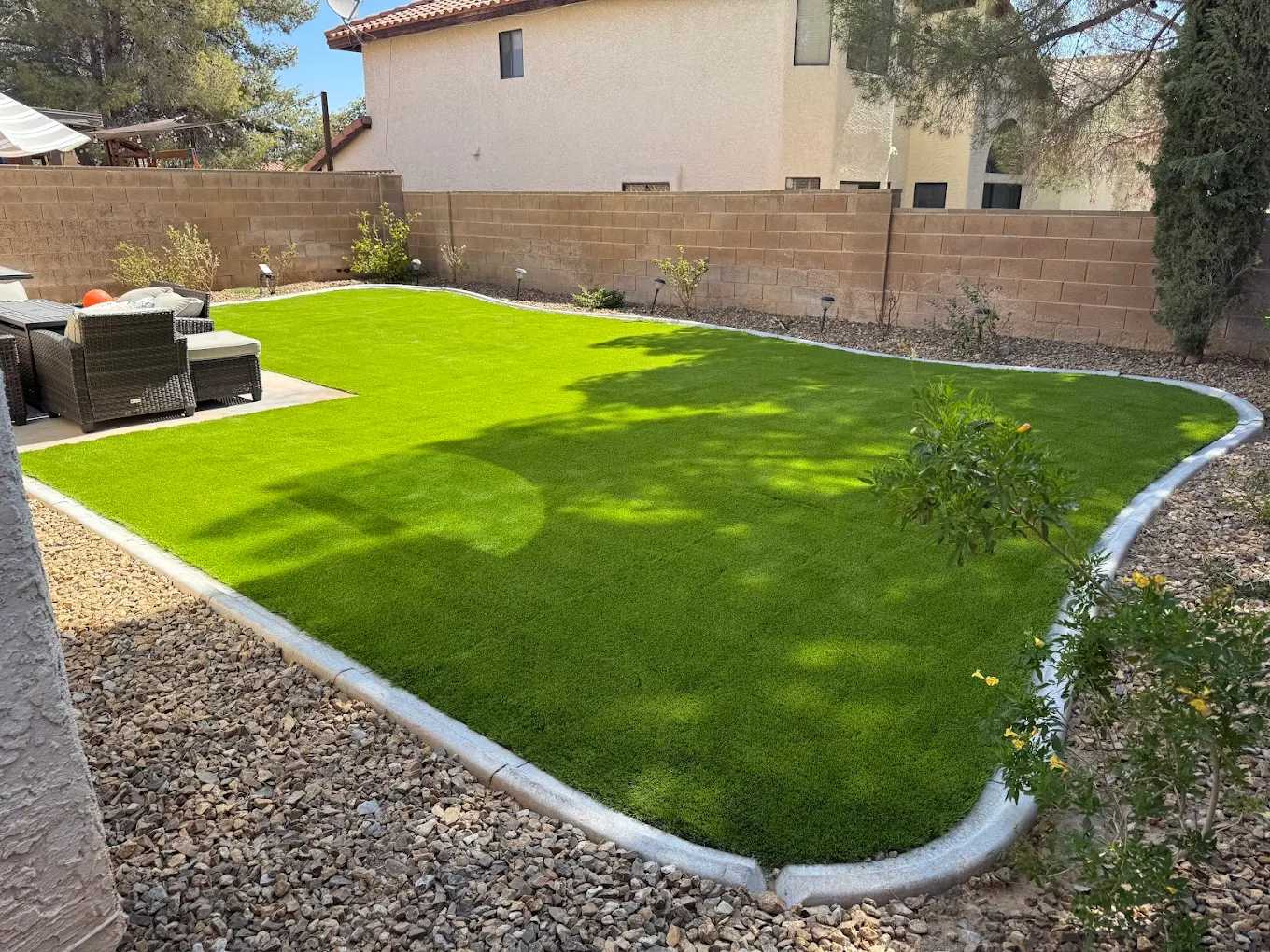
Even with proper base preparation, some settling is normal during the first 6 to 12 months after installation as the aggregate base and underlying soil adjust to the new surface load and moisture patterns. Minor low spots may develop where the base compaction was slightly inconsistent or where the native soil beneath settles under the weight of the base material. These small imperfections are typically visible as slight depressions or unevenness in the turf surface and are easily corrected by adding infill to the low areas.
More significant settling can occur if the base preparation was inadequate, if caliche layers were not properly addressed, or if drainage problems allow water to erode the base material. Signs of problematic settling include large depressions, standing water after rain, visible wrinkles or buckles in the turf surface, and seam separation. If you notice these issues on your North Las Vegas or Summerlin property within the first year, contact your installer promptly, as most reputable companies include settling correction in their installation warranty.
Long-term soil-related maintenance in Las Vegas is minimal for properly installed turf. The desert soil is stable once compacted, and the lack of frost heave that plagues installations in cold climates means the base remains flat and level indefinitely. Annual inspections checking for new settling, drainage performance after rain events, and perimeter integrity provide early warning of any developing issues that are far easier and less expensive to address early than after they become major problems.