The Regulatory Landscape for Artificial Turf in Las Vegas
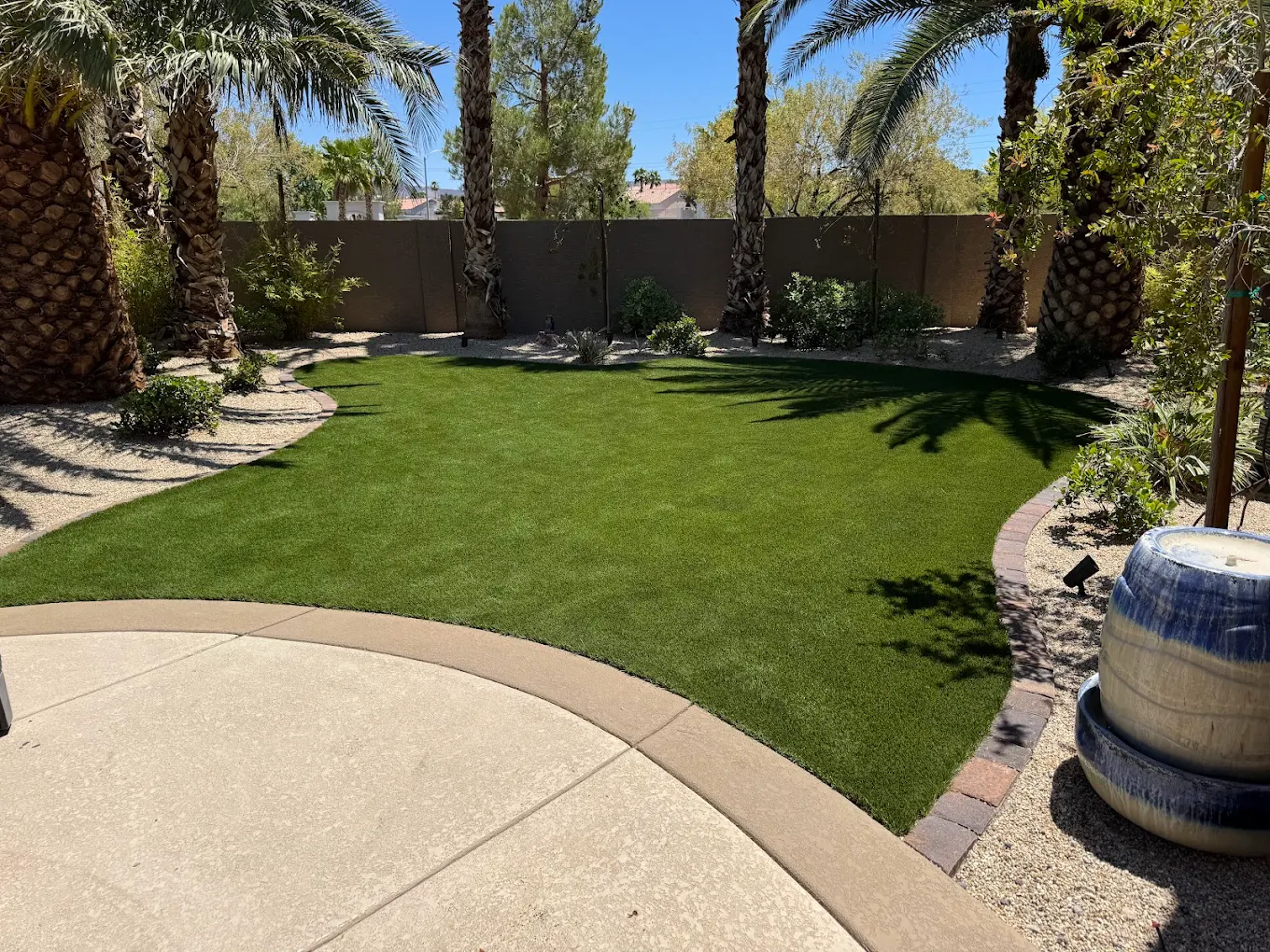
The Las Vegas valley encompasses multiple jurisdictions, each with its own building codes and landscaping regulations that may affect artificial turf installation. Clark County, the City of Las Vegas, the City of Henderson, the City of North Las Vegas, and Boulder City each maintain their own development codes and permitting processes. While there is broad alignment in how these jurisdictions treat residential artificial turf, specific requirements for drainage, setbacks, and aesthetic standards can differ between municipalities, making it essential for homeowners to check their specific jurisdiction's rules.
At the state level, Nevada has been broadly supportive of artificial turf as a water conservation measure, and legislation like Assembly Bill 356 that banned ornamental grass has created a regulatory environment that encourages turf conversion. The Southern Nevada Water Authority's rebate program reinforces this support by incentivizing the replacement of natural grass with artificial alternatives. However, this supportive posture toward turf as a water conservation tool does not exempt installations from local building, drainage, and zoning codes that apply to all landscaping work.
The good news for most residential homeowners in Summerlin, Spring Valley, Paradise, and across the valley is that a straightforward turf-for-grass replacement on an existing residential lot typically does not require a building permit. However, projects that involve significant grading changes, new drainage infrastructure, retaining walls, or structural shade features may trigger permit requirements. Understanding where the line falls for your specific project prevents expensive rework or fines.
When You Need a Permit for Turf Installation
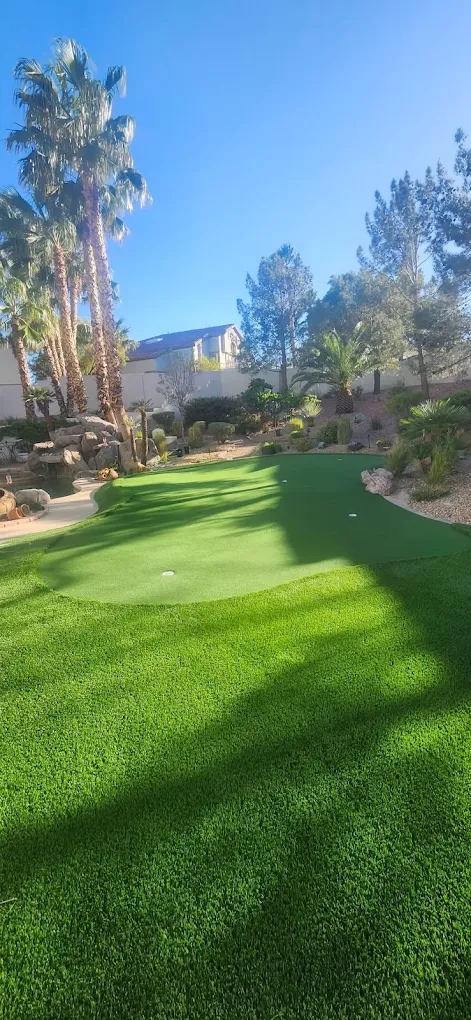
Simple residential turf replacement, where you remove natural grass and install artificial turf at the same grade with no structural changes, generally does not require a building permit in Clark County or the cities within the Las Vegas valley. The replacement is considered routine landscape maintenance rather than construction. However, several common project elements can elevate a simple turf replacement into a permit-required project that homeowners should be aware of before beginning work in Green Valley, Enterprise, or other neighborhoods.
Grading changes that alter drainage patterns on your property or direct water toward neighboring properties typically require a grading permit and may require an engineered drainage plan. If your turf installation involves cutting into a slope, building up a raised area, or regrading to create proper drainage slope, check with your local building department about permit requirements. Similarly, any retaining walls over 3 feet in height, new concrete work, or electrical installations for lighting or irrigation controls associated with the turf project may require separate permits.
- Grading changes that alter property drainage patterns require a grading permit
- Retaining walls over 3 feet tall require structural permits and engineering
- New electrical work for lighting or automated systems requires electrical permits
- Projects in flood zone areas may require additional drainage review and permits
- Commercial installations almost always require plans review and permitting
When in doubt, call your local building department before starting work. A 5-minute phone call to Clark County or City of Henderson building services can clarify whether your specific project needs a permit and what documentation is required.
Navigating HOA Requirements for Artificial Turf
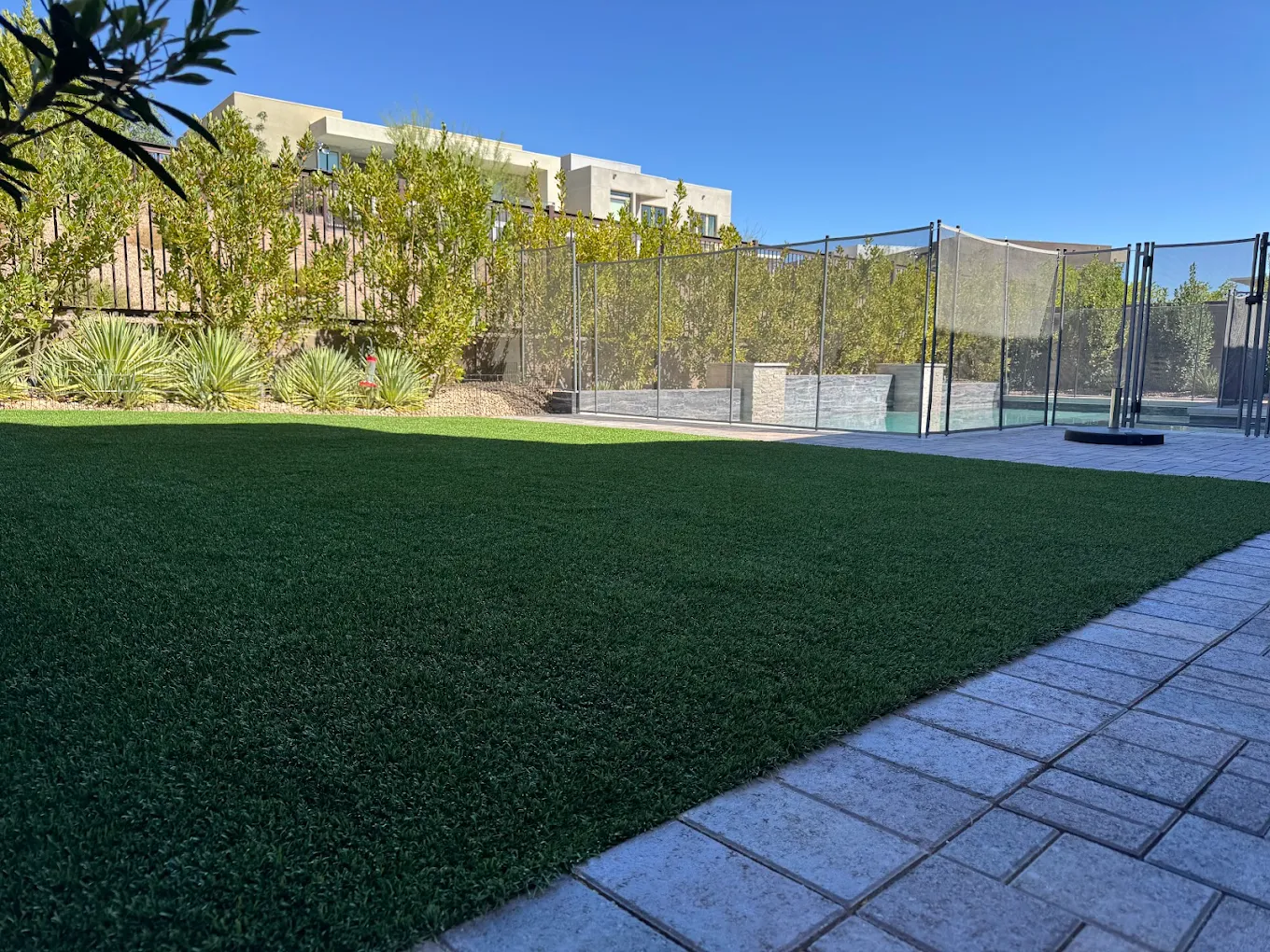
Homeowners associations throughout the Las Vegas valley maintain landscaping standards that affect artificial turf installations, and while Nevada law prevents HOAs from unreasonably prohibiting water-efficient landscaping, the definition of reasonable regulation leaves room for communities to impose significant aesthetic and quality requirements. Most planned communities in Summerlin, Henderson's master-planned neighborhoods, and developments throughout Southern Highlands and Centennial Hills require architectural committee approval before any exterior changes, including turf installation.
Common HOA requirements for artificial turf include minimum quality standards, approved color ranges, installation specifications, and ongoing maintenance requirements. Some communities require turf products to meet specific pile height, density, and UV resistance standards to ensure a uniform neighborhood appearance. Others specify that turf must include a combination of green and brown tones to mimic natural grass rather than a solid, artificial-looking green. Reviewing your HOA's specific CC&Rs and architectural guidelines before selecting a turf product prevents purchasing materials that will not pass the approval process.
The approval process typically involves submitting an architectural modification request that includes the turf product specifications, a site plan showing the installation area, and sometimes a physical sample of the turf material. Approval timelines vary from 2 weeks to 2 months depending on the community and meeting schedules of the architectural committee. Factor this approval timeline into your overall project planning, and do not begin work or order materials until you have written approval in hand to avoid potential fines or required removal.
Need Professional Turf Cleaning?
Get a free, no-obligation quote for your Las Vegas property. Same-day service available.
Drainage and Water Management Code Requirements
Clark County and the cities within the Las Vegas valley take drainage management seriously due to the flash flood risks associated with monsoon storms and the valley's desert terrain. While these codes are not specifically written for artificial turf, they apply to any landscaping work that could affect surface water flow patterns on your property or toward neighboring properties. The fundamental requirement is that your landscaping, including artificial turf installations, must not direct stormwater onto neighboring properties or into the public right-of-way in a manner that differs from the pre-existing drainage pattern.
For most residential turf replacements in Paradise, Spring Valley, and North Las Vegas, the existing drainage pattern is maintained because the turf is installed at the same grade as the previous grass. However, if your installation involves any grade changes, or if you are installing turf in an area that was previously permeable landscaping like decomposed granite or bare soil, the change in drainage characteristics may require review. Professional installers experienced in Las Vegas conditions understand these requirements and design their base preparation and grading to maintain compliant drainage patterns.
SNWA Water Smart Landscapes Program Compliance
If you are pursuing the SNWA Water Smart Landscapes rebate, your turf installation must comply with the program's specific design standards, which go beyond basic building codes. The program requires that converted landscapes include a minimum percentage of living plants, that the overall design promotes water efficiency, and that artificial turf is used as a component of a comprehensive landscape plan rather than a wall-to-wall grass replacement. These requirements ensure that rebate-funded conversions contribute to a visually appealing, sustainable landscape aesthetic across Boulder City, Henderson, and the entire valley.
The SNWA program has its own inspection and compliance process separate from local building code enforcement. After installation, an SNWA inspector will visit your property to verify that the completed project matches the approved plan, that all required plant and ground cover percentages are met, and that the installation meets quality standards. Projects that do not pass inspection must be modified to comply before the rebate is issued. Understanding and following the program requirements throughout the planning and installation process prevents the frustrating experience of completing your project only to have the rebate denied on inspection.
Download the current SNWA Water Smart Landscapes program guide before beginning your project design. The requirements update periodically, and working from the current version ensures your project meets all standards for rebate qualification.
Commercial and Multi-Family Property Requirements
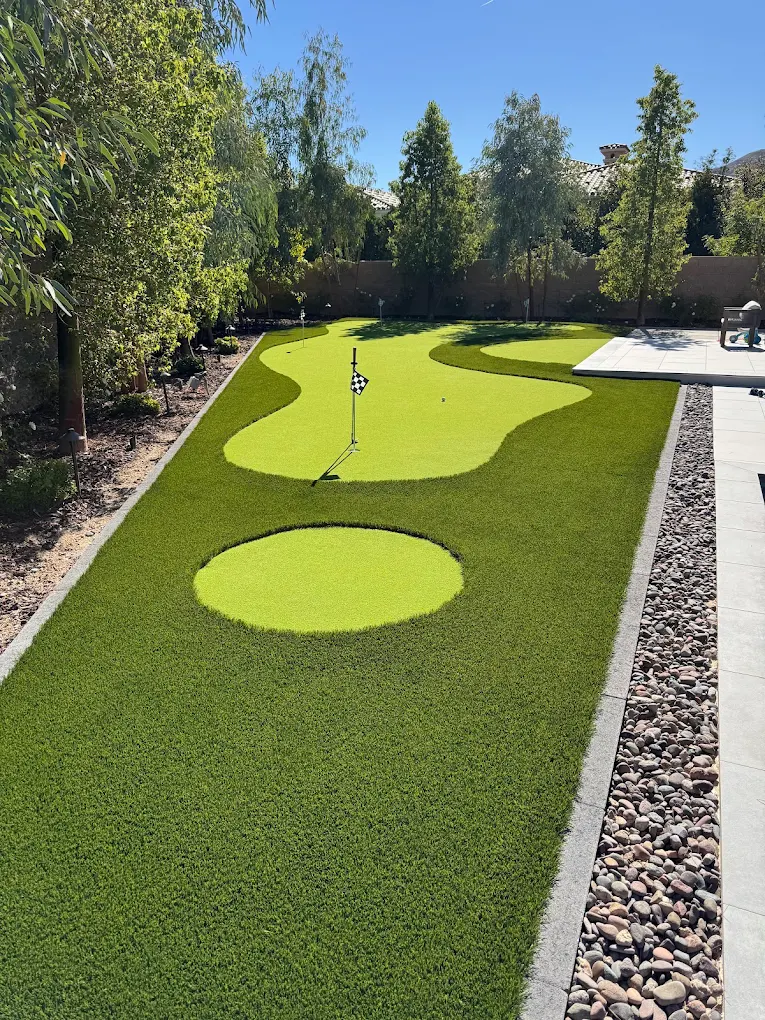
Commercial artificial turf installations in Las Vegas face a more rigorous regulatory framework than residential projects. Plans review, building permits, accessibility compliance, and sometimes fire safety review are typically required for commercial properties, HOA common areas, apartment communities, and public-use spaces. Projects in commercial zones throughout the valley must comply with Clark County or city-specific commercial development standards that may include specific material requirements, drainage engineering, and ADA accessibility standards for turf surfaces.
Multi-family residential communities and HOA common areas occupy a middle ground between purely residential and commercial requirements. These installations often serve large numbers of users and may include playground areas, dog parks, or sports surfaces that trigger additional safety and accessibility standards. Management companies overseeing properties in Centennial Hills, Enterprise, or Summerlin community common areas should consult with both their local building department and the community's legal counsel to ensure all applicable standards are met.
Fire safety is an increasingly discussed topic for commercial artificial turf installations, particularly in areas adjacent to structures or in wildfire-interface zones. While artificial turf is not combustible in the traditional sense, some products can melt and produce toxic fumes under extreme heat exposure. Fire-rated turf products that meet ASTM E108 or equivalent standards may be required for commercial installations or residential installations in designated fire hazard areas of the Las Vegas valley.