Common Desert Wildlife on Las Vegas Artificial Turf
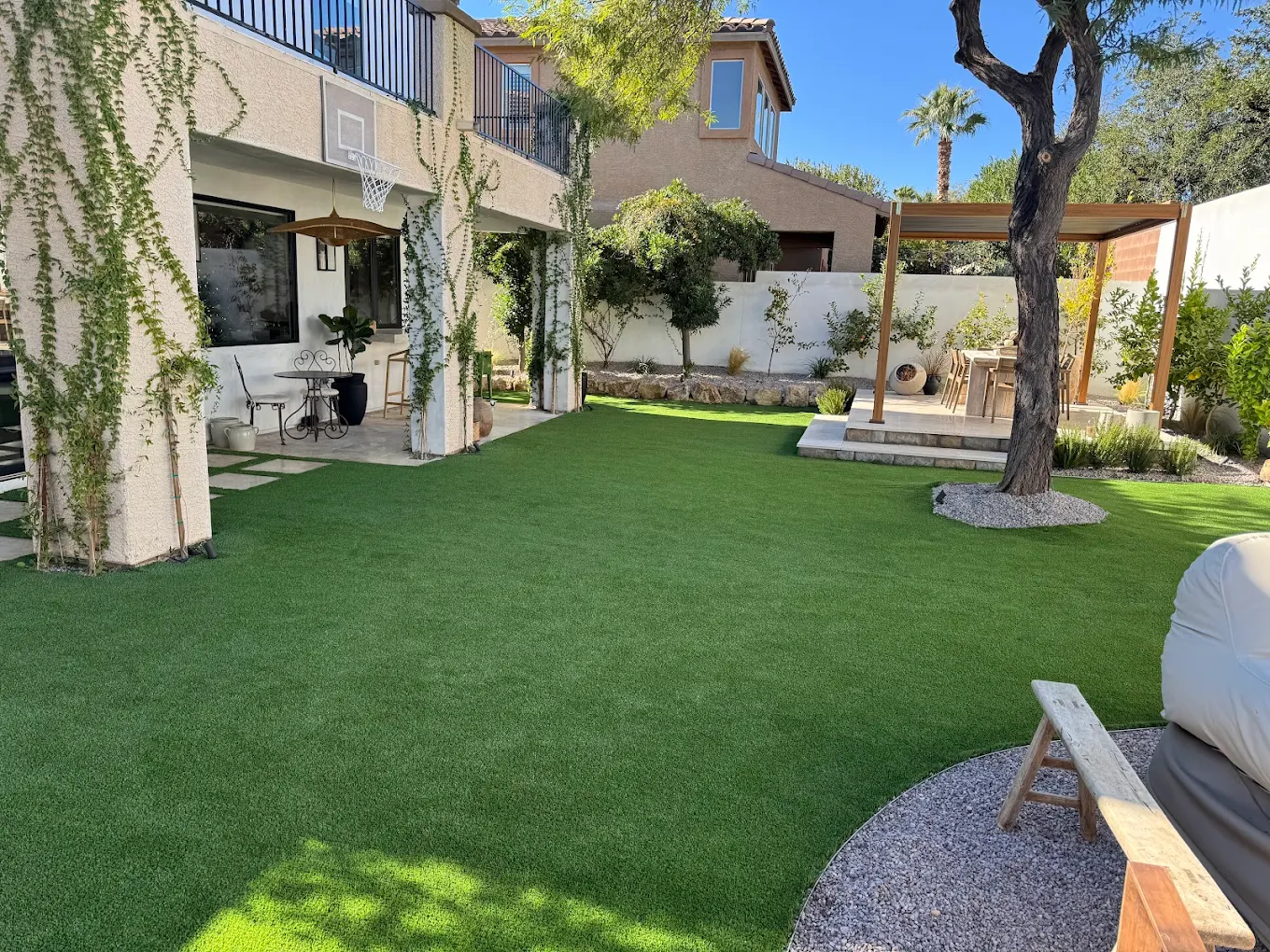
Las Vegas sits within the Mojave Desert ecosystem, and the wildlife that calls this region home does not distinguish between natural and artificial landscapes when moving through residential neighborhoods. Homeowners across Summerlin, Henderson, and Spring Valley regularly encounter a variety of desert creatures on their artificial turf, from the ubiquitous western fence lizards and desert cottontail rabbits to the occasional roadrunner, tortoise, or rattlesnake. Understanding which visitors are harmless and which require attention helps you manage your outdoor space effectively.
Artificial turf actually attracts certain wildlife for specific reasons. The warm surface provides ideal basking conditions for lizards and other reptiles, especially during cooler months when natural rocky basking spots may be insufficient. Rabbits and other small mammals are drawn to the open, predator-visible surface that feels safer than dense vegetation where predators might hide. Insects find the turf perimeter zone, where synthetic material meets natural ground, to be particularly attractive habitat for nesting and foraging.
The good news is that most desert wildlife interactions with artificial turf are benign and even beneficial. Lizards consume significant quantities of insects that would otherwise accumulate on your turf surface. Roadrunners and other birds patrol turf areas hunting lizards and bugs, providing natural pest control. In neighborhoods like Centennial Hills and Enterprise that border open desert, learning to appreciate these visitors while managing the few that cause genuine problems creates a more enjoyable outdoor experience.
Managing Insects on and Around Artificial Turf
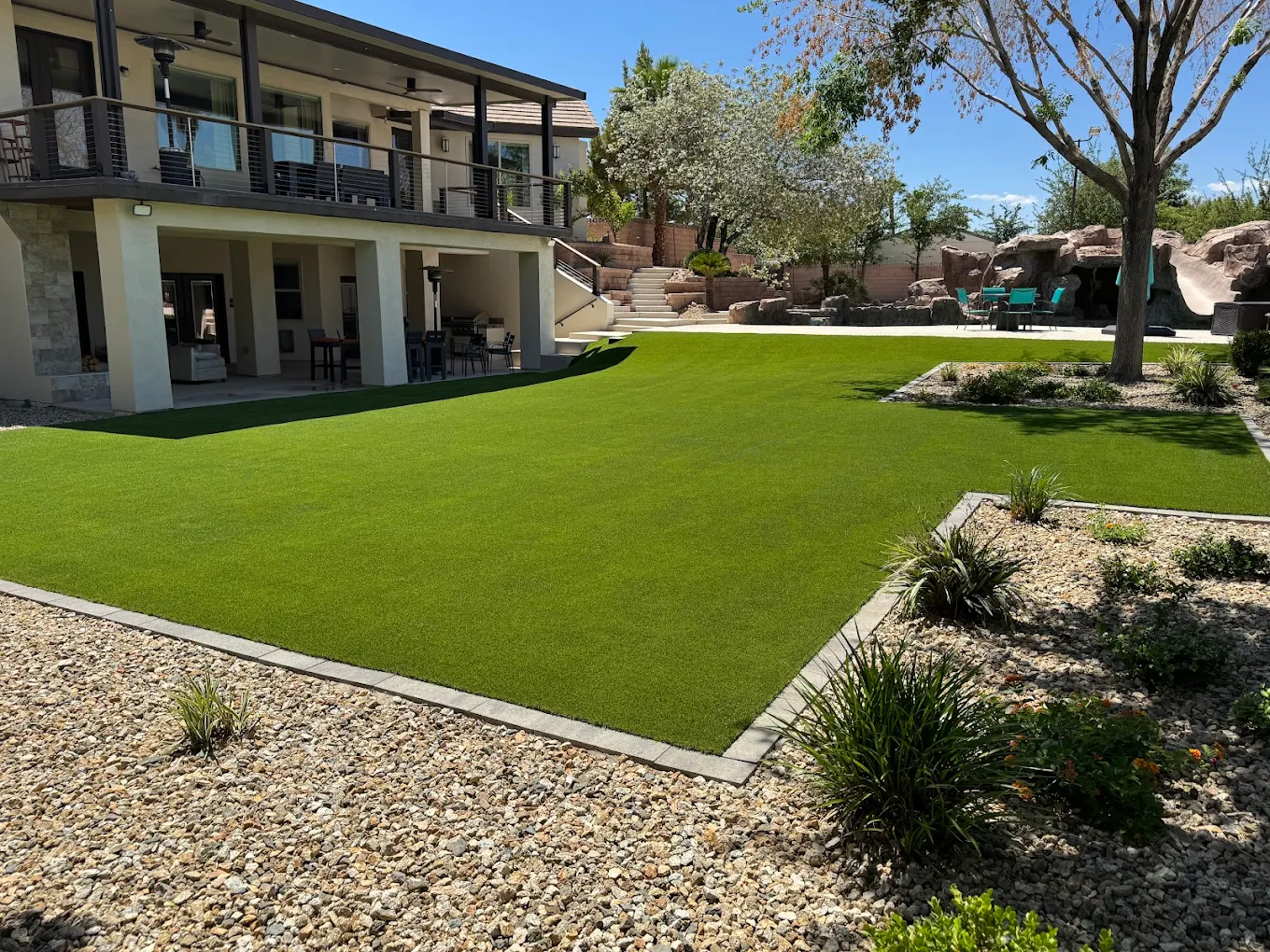
Despite the common belief that artificial turf eliminates insect problems, several desert insect species find turf environments attractive. Ants are the most common insect encountered on Las Vegas artificial turf, particularly harvester ants and fire ants that build colonies in the compacted base material beneath the turf. These ants tunnel through the sub-base and push small mounds of soil up through turf drainage holes, creating visible ant hills on the turf surface that are unsightly and, in the case of fire ants, potentially painful for bare-footed children and pets.
Crickets, beetles, and other ground-dwelling insects also use the space beneath artificial turf as shelter from the extreme desert heat and predators. The microclimate under the turf, which stays cooler and slightly more humid than the surrounding exposed ground, creates a surprisingly hospitable environment for insects in the otherwise harsh Las Vegas climate. Properties in Green Valley and Southern Highlands with lush surrounding landscaping that provides food sources tend to see more insect activity on and around their turf installations.
- Harvester ants and fire ants building colonies in the sub-base material
- Crickets sheltering under turf for heat protection during summer days
- Beetles migrating across turf between landscape areas
- Earwigs congregating along turf edges where moisture collects
- Occasional scorpions using turf perimeter gaps as daytime hiding spots
If you encounter scorpions near your turf edges, do not reach under the turf perimeter without gloves. Bark scorpions, the most dangerous species in Las Vegas, commonly hide in gaps between turf edges and hardscape during the day.
Preventing Pest Issues on Artificial Turf
The most effective pest prevention strategy starts during installation with a properly treated sub-base and sealed turf perimeter. Applying a granular insecticide to the compacted base material before turf is laid creates a deterrent layer that discourages ants and other burrowing insects from establishing colonies beneath the turf. This pre-installation treatment is far more effective than trying to treat established infestations after the turf is in place across your Paradise or North Las Vegas property.
Maintaining clean turf edges with tight seals against hardscape and borders eliminates the gaps that insects and other creatures use to access the space beneath the turf. Any gap larger than a quarter inch provides entry for scorpions, beetles, and other arthropods seeking the sheltered environment under the turf surface. Regular edge inspection and prompt sealing of any developing gaps is a simple but effective component of a comprehensive pest management plan for Las Vegas artificial turf installations.
Need Professional Turf Cleaning?
Get a free, no-obligation quote for your Las Vegas property. Same-day service available.
Dealing with Reptiles on Your Turf
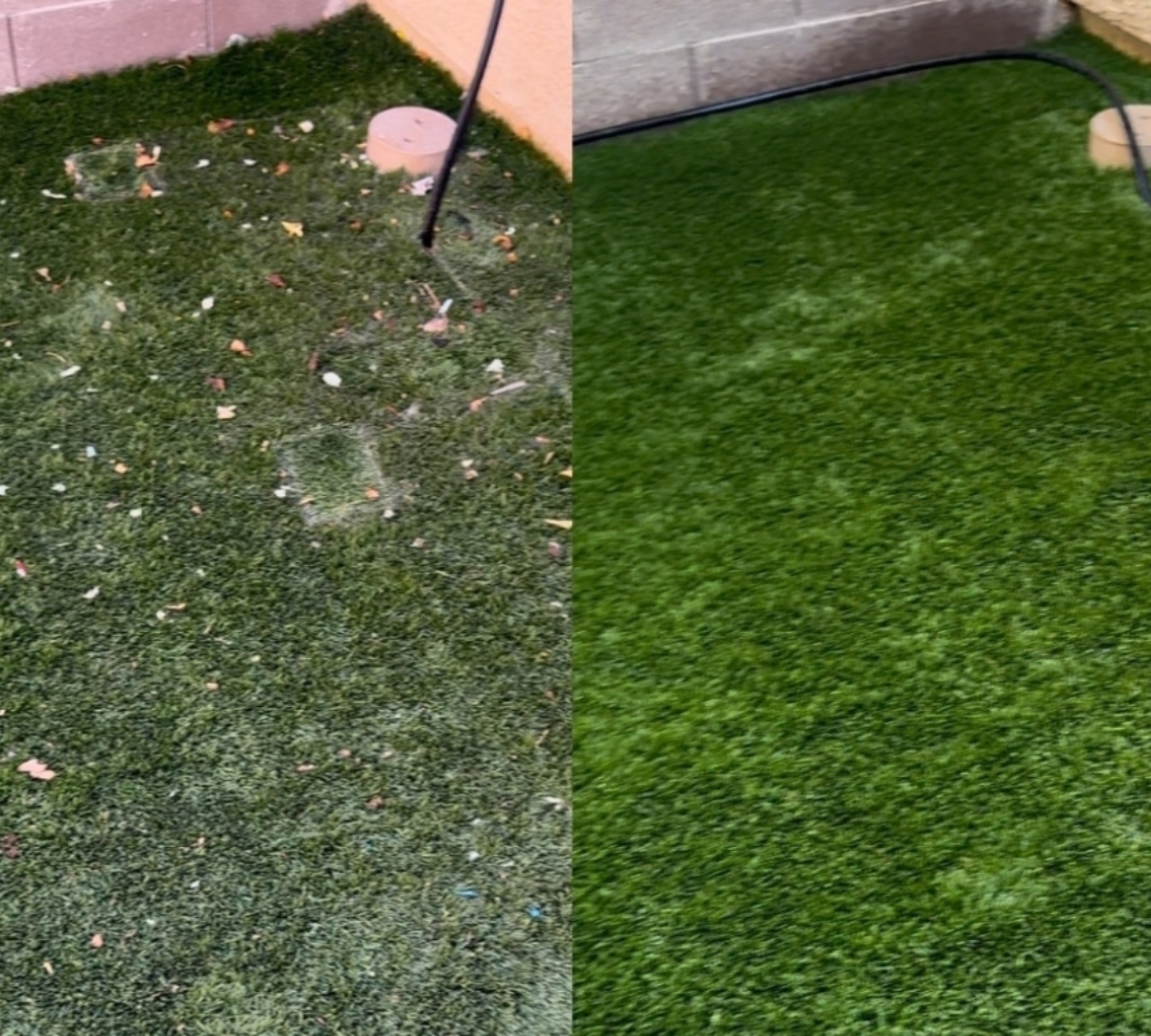
Lizards are the most frequently encountered reptiles on Las Vegas artificial turf, and they are overwhelmingly beneficial visitors that should be welcomed rather than discouraged. Species like the western fence lizard, side-blotched lizard, and desert iguana use the warm turf surface for thermoregulation and actively consume insects including ants, crickets, and beetles that would otherwise require manual or chemical removal. A healthy lizard population on your Summerlin or Henderson turf is essentially a free, organic pest control service.
Snakes, including the occasional rattlesnake, may also traverse artificial turf areas, particularly in neighborhoods bordering open desert like parts of Centennial Hills, Enterprise, and Boulder City. Snakes are generally passing through rather than establishing residence on your turf, attracted by the rodent and lizard populations that turf environments can support. To discourage snake visits, eliminate rodent habitat around your property, keep vegetation trimmed away from turf edges, and close any gaps in perimeter walls or fences that allow snake access.
Desert tortoises, which are protected under federal and state law, occasionally wander onto residential artificial turf in Las Vegas. If you encounter a desert tortoise on your property, do not attempt to relocate it, as this is illegal and can be harmful to the animal. The tortoise will typically move on within a few hours. If a tortoise appears injured or in distress, contact the Nevada Department of Wildlife for guidance on proper handling.
Desert tortoises are protected by both federal and Nevada state law. It is illegal to touch, harm, harass, or relocate a wild desert tortoise. If one visits your turf, simply let it pass through on its own.
Birds and Artificial Turf in the Desert
Birds interact with Las Vegas artificial turf in several ways, most of which are harmless or beneficial. Roadrunners, mockingbirds, and other ground-foraging species hunt insects and lizards on turf surfaces, providing natural pest control. Doves and quail may use open turf areas as gathering and dust-bathing spots, which can leave shallow depressions in infill material that require occasional redistribution. Grackles and starlings sometimes pick at turf fibers mistaking them for nesting material, but this behavior rarely causes noticeable damage to quality turf products.
The primary bird-related maintenance concern for Las Vegas turf owners in Spring Valley and Henderson is droppings. Bird droppings on artificial turf should be removed promptly, as they contain acids that can stain turf fibers if left to bake in the desert sun. A quick spray with the hose while droppings are fresh removes them easily, while dried droppings may require gentle scraping with a plastic scraper followed by an enzymatic cleaner application to remove any residual staining.
Creating a Wildlife-Friendly Turf Environment
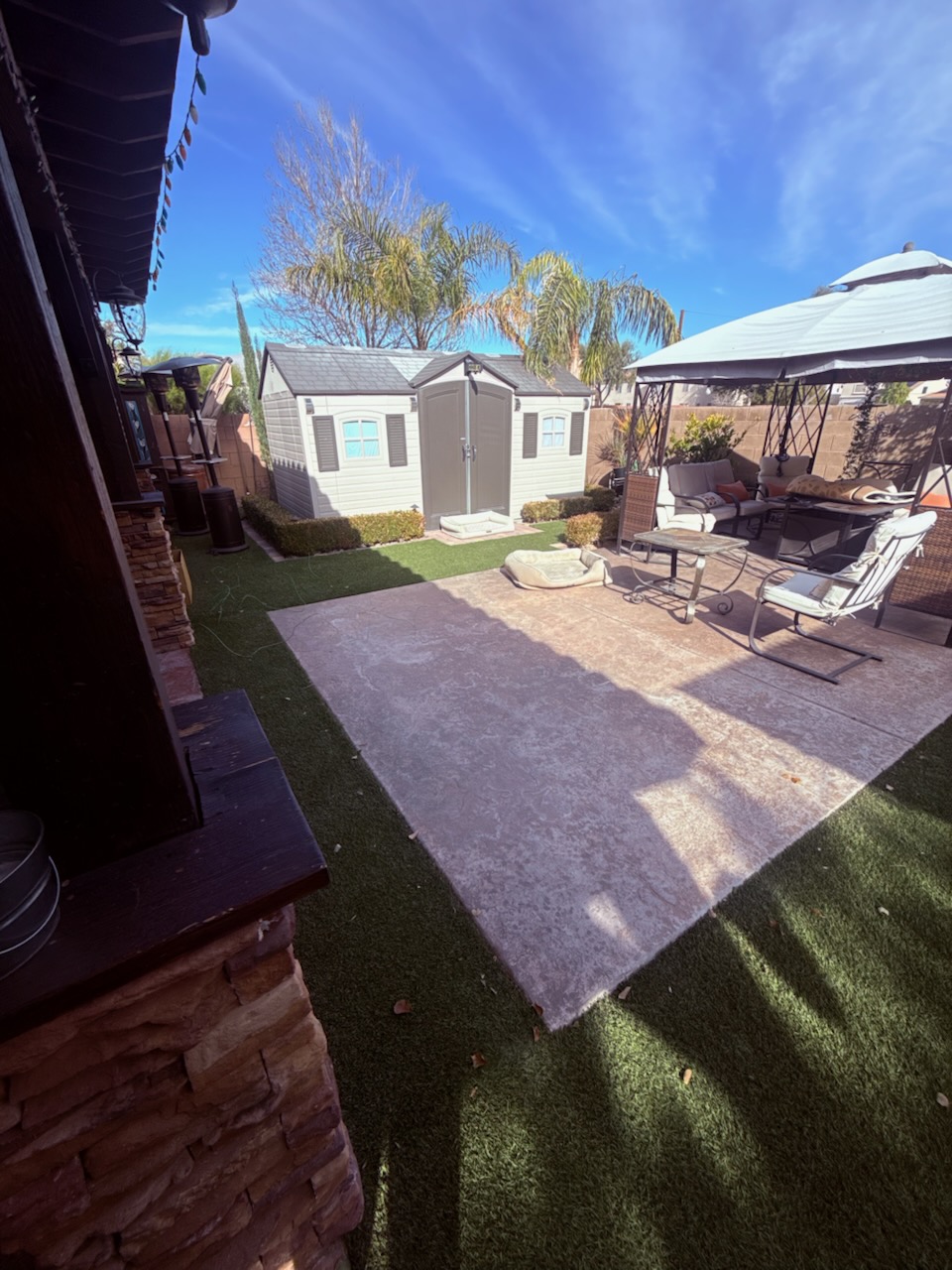
The most successful approach to desert wildlife and artificial turf is selective management rather than total exclusion. Encouraging beneficial species like lizards and insectivorous birds while deterring problematic ones like ants and rodents creates an outdoor ecosystem that largely manages itself. This balanced approach reduces your reliance on chemical treatments and maintenance interventions while supporting the native desert ecosystem that makes Las Vegas unique.
Design your landscape to channel wildlife movement in ways that work for your property. Position bird feeders and water features away from turf areas to concentrate bird activity and associated droppings in non-turf zones. Use gravel buffer zones between turf and native desert plantings to create clear transition areas that you can monitor for insect and rodent activity. Many North Las Vegas and Paradise homeowners find that thoughtful landscape design reduces wildlife conflicts on their turf to near zero while supporting a thriving and enjoyable desert garden ecosystem.
If you have persistent wildlife issues that DIY strategies cannot resolve, consult a pest management professional experienced with Las Vegas desert properties. Desert-specific pest management differs significantly from approaches used in other climates, and products or methods that work in humid environments may be ineffective or even counterproductive in the arid Mojave climate. A knowledgeable local professional can develop a targeted treatment plan that addresses your specific issues without blanket chemical application.