Why Las Vegas Turf Needs a Seasonal Maintenance Approach
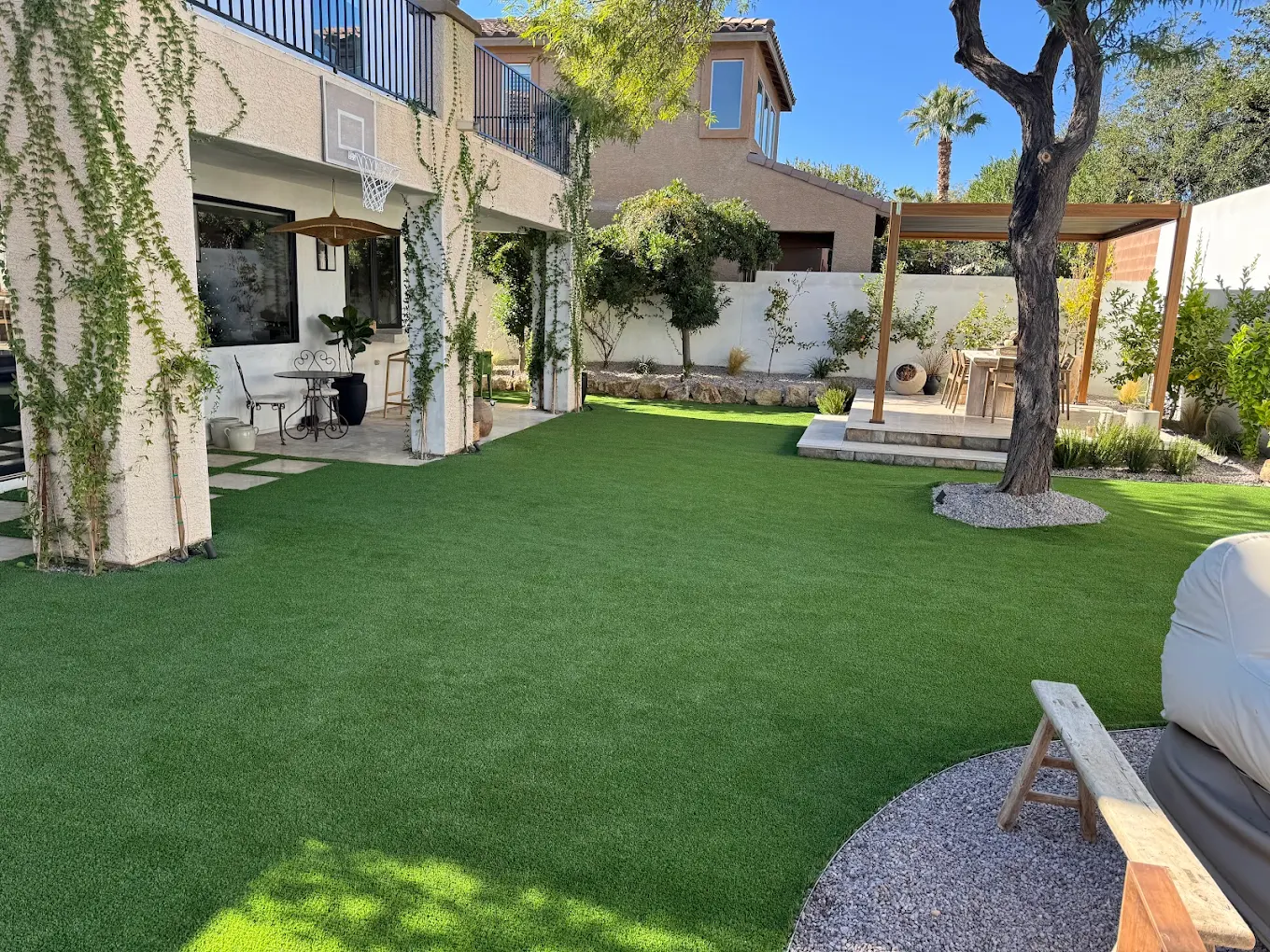
Las Vegas presents dramatically different turf maintenance demands across its seasons, from the mild, dry winters where maintenance is minimal to the brutal summers where heat, UV, and monsoon storms create a gauntlet of challenges. A one-size-fits-all maintenance routine that works in January will be woefully inadequate in July, while the intensive summer routine would be wasteful and unnecessary during the comfortable months of October through April. Tailoring your maintenance approach to the specific seasonal conditions across Summerlin, Henderson, Paradise, and the entire valley ensures optimal turf performance year-round.
The Las Vegas turf care calendar is organized around four distinct periods: the comfortable season from October through March, the heating transition in April and May, the peak stress season from June through September, and the cooling recovery in September and October. Each period demands different maintenance intensity, focus areas, and timing to address the specific challenges that the desert climate presents to artificial turf installations.
Following a structured seasonal calendar also helps you plan and budget for professional services at the optimal times rather than reacting to problems after they develop. Scheduling your annual or semi-annual professional deep cleaning during the right seasonal window maximizes the service's effectiveness, while proactive seasonal inspections catch developing issues before they require expensive repairs. This calendar approach turns turf maintenance from a reactive chore into a manageable, predictable routine for homeowners across Green Valley, Spring Valley, and the broader Las Vegas area.
Winter Care: December Through February
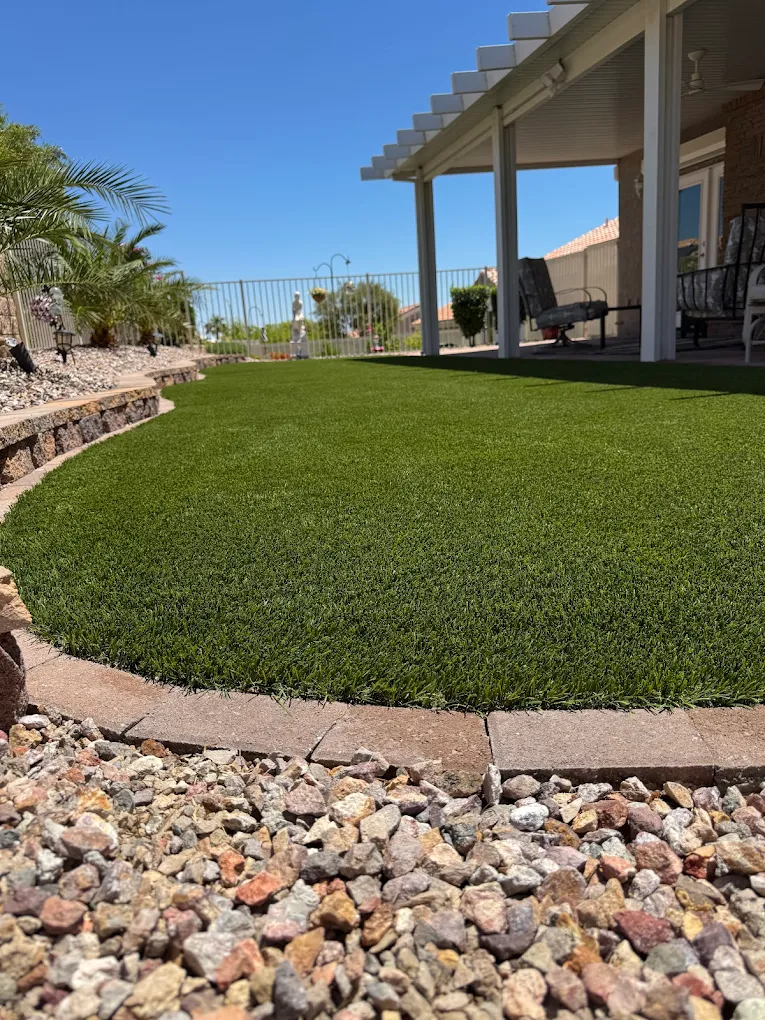
Winter is the easiest season for Las Vegas turf maintenance, with mild temperatures between 45 and 65 degrees, occasional rain that provides natural rinsing, and minimal UV stress. Your maintenance routine during these months can be relaxed to biweekly basic care consisting of debris removal by blowing or raking and a light brushing to keep fibers upright. The reduced intensity reflects the lower demands the winter climate places on turf installations across Centennial Hills, Enterprise, and the rest of the valley.
December and January are ideal months for conducting your annual or semi-annual professional deep cleaning, as the moderate temperatures allow cleaning solutions to work effectively without rapid evaporation, and the turf is not under heat stress that complicates the cleaning process. Professional cleaning during winter also prepares the turf for the heavy-use spring season when outdoor entertaining and yard activity resume in earnest. If you have not scheduled professional service recently, winter is the best time to get it done.
- Biweekly debris removal using leaf blower or gentle raking
- Monthly brushing to maintain fiber orientation and even infill
- Schedule annual professional deep cleaning during December or January
- Inspect edges and seams for any damage from fall wind events
- Check drainage performance during winter rain events and clear any blocked drains
Winter is the ideal time for any turf repairs including seam fixes, edge resecuring, or infill top-up. The moderate temperatures allow adhesives to cure properly and make the physical work much more comfortable than attempting repairs during summer.
Spring Transition: March Through May
Spring marks the transition from easy-care winter to the demanding summer season, and the maintenance focus shifts toward preparation and increased frequency. As temperatures climb from the comfortable 70s into the 90s and beyond, return to weekly maintenance including debris removal, rinsing, and brushing. Spring winds from March through May deposit significant dust and debris on turf surfaces across North Las Vegas and Boulder City, requiring more frequent blowing and occasional deep rinsing to prevent accumulation.
May is your last comfortable month for major maintenance tasks before summer heat makes outdoor work unpleasant and potentially dangerous. Use this window to complete your pre-summer checklist: inspect and repair any edge or seam issues, ensure all drainage pathways are clear, trim overhanging vegetation that could drop debris during monsoon winds, and apply a preventive enzymatic treatment if you have pets using the turf. If you skipped the winter deep cleaning, May is your last good opportunity for professional service before summer conditions reduce cleaning effectiveness.
The spring transition is also the time to deploy seasonal cooling infrastructure. Install or re-tension shade sails, test misting systems, verify sprinkler timer programs, and ensure your garden hose and spray nozzle are in good working order for the daily cooling rinses that summer will demand. Having all cooling systems ready before the first 100-degree day in late May or early June means you are prepared rather than scrambling to set up while already uncomfortable.
Need Professional Turf Cleaning?
Get a free, no-obligation quote for your Las Vegas property. Same-day service available.
Peak Season Care: June Through September
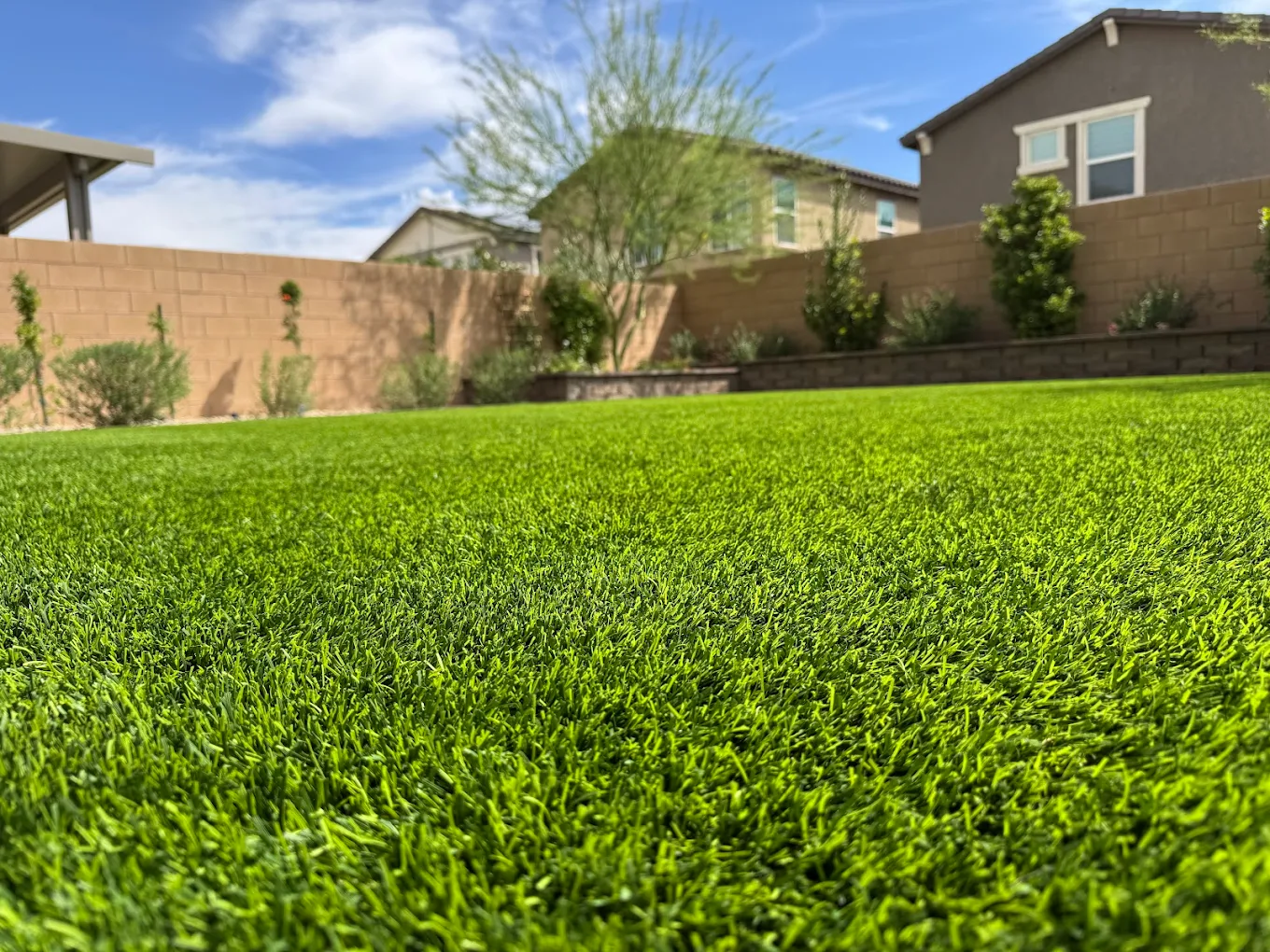
Summer is the most demanding season for Las Vegas turf maintenance, requiring daily attention during the hottest months to maintain turf usability and protect against accelerated degradation. From June through September, temperatures regularly exceed 110 degrees, UV index stays above 10, and monsoon storms bring sudden wind, dust, and rain events that require prompt cleanup. Your maintenance intensity during this period is at its maximum, but the effort pays off in preserved turf condition and usable outdoor space across Summerlin, Henderson, and Paradise properties.
Daily summer maintenance should include an early morning debris check and blowing, followed by a cooling rinse before planned outdoor use. During monsoon season from July through September, add post-storm cleanup to your routine within 24 hours of each event. Weekly maintenance during summer includes a thorough cross-grain brushing, infill level check and redistribution, and a vinegar rinse to address hard water buildup from increased water contact. This intensive schedule takes about 15 to 20 minutes daily plus 30 to 45 minutes weekly.
Pet owners face additional summer challenges as the heat intensifies odors from pet waste deposits. Enzymatic cleaner application should increase to weekly during summer months, with spot treatment of visible waste deposits immediately after they occur. The combination of extreme heat and organic waste creates rapid bacterial growth that can produce persistent odors if not addressed promptly. Southern Highlands and Green Valley homeowners with dogs should consider a second professional cleaning in mid-summer specifically targeting pet-related buildup.
- Daily early morning debris check and blowing before heat builds
- Daily cooling rinse before planned outdoor use during June through September
- Weekly thorough brushing, infill check, and vinegar rinse for mineral deposits
- Post-storm cleanup within 24 hours during monsoon season July through September
- Weekly enzymatic treatment for pet areas during peak heat months
- Monthly perimeter inspection for edge lifting or wind damage
Fall Recovery: October and November
October and November are recovery months when you assess how your turf survived the summer and address any accumulated damage before the easy winter season. As temperatures drop back into the comfortable 70 to 85 degree range, outdoor maintenance becomes pleasant again, and the turf begins to recover from the thermal stress of summer. This is an excellent time for a professional deep cleaning that removes the summer's accumulation of dust, minerals, pet residue, and any monsoon storm deposits that routine cleaning could not fully address.
Conduct a thorough fall inspection of your entire turf installation during October. Walk the perimeter checking every edge for lifting or pulling. Feel all seams for separation. Check infill levels throughout and note any low areas. Look for discoloration, fading, or damage that developed over the summer and was not apparent during hot-weather visual inspections. Document any issues with photos and prioritize repairs during the comfortable fall weather while conditions are ideal for adhesive curing and physical work across your Enterprise or Spring Valley property.
Scheduling Annual and Semi-Annual Professional Service
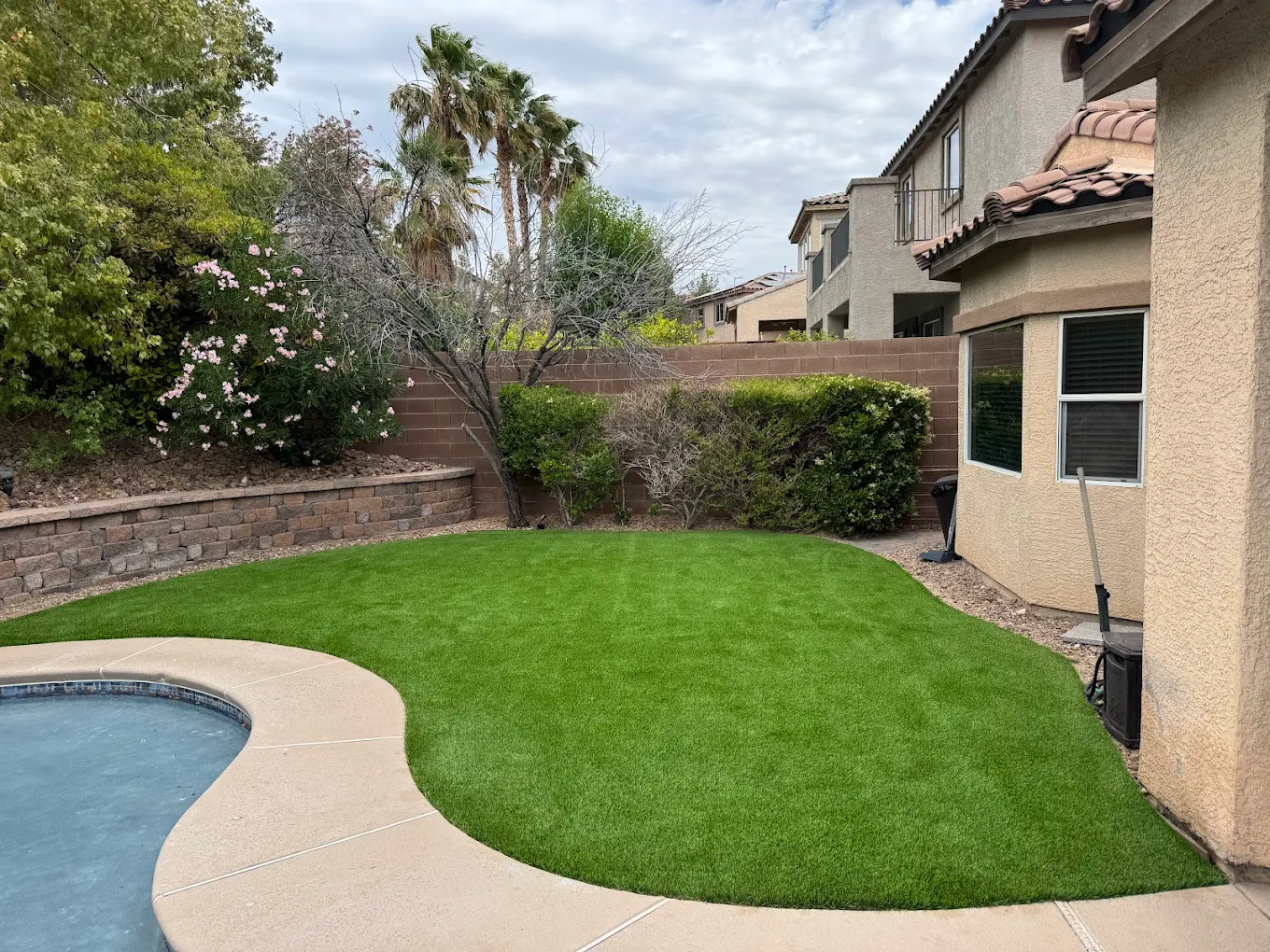
Professional deep cleaning is the backbone of long-term turf maintenance in Las Vegas, and scheduling it at the right times maximizes the value of the service. For most residential installations, a minimum of one professional cleaning per year is recommended, ideally during the December through February window when conditions are optimal for cleaning efficacy. Properties with heavy use, pets, or significant tree cover benefit from semi-annual service, with the second cleaning scheduled for late May or early June before peak summer heat arrives.
Professional service typically includes power brushing to lift compacted infill and fibers, extraction of deeply embedded debris and organic material, application of antimicrobial and deodorizing treatments, seam and edge inspection, infill redistribution, and a final grooming that restores the turf to like-new appearance. For Centennial Hills and Henderson homeowners, this annual investment of $200 to $500 depending on turf area extends the functional and aesthetic life of the turf by years compared to installations that receive only homeowner maintenance.
When selecting a professional turf cleaning service in Las Vegas, look for companies that specialize in artificial turf and have experience with the specific challenges of the desert climate. General landscaping companies may offer turf cleaning but often lack the specialized equipment and products needed for effective desert turf maintenance. Ask about their cleaning process, the products they use, and whether they include hard water descaling as part of their standard service, as this is a critical component of Las Vegas turf maintenance that generalist services often overlook.