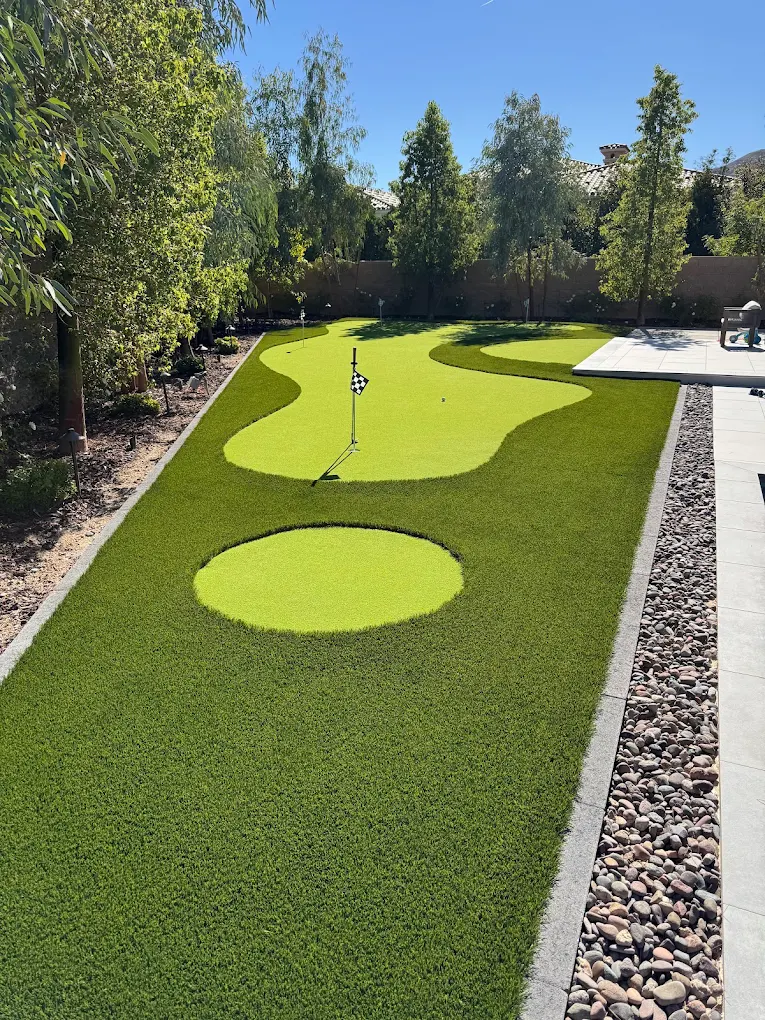
Golf Practice Turf in the Las Vegas Market
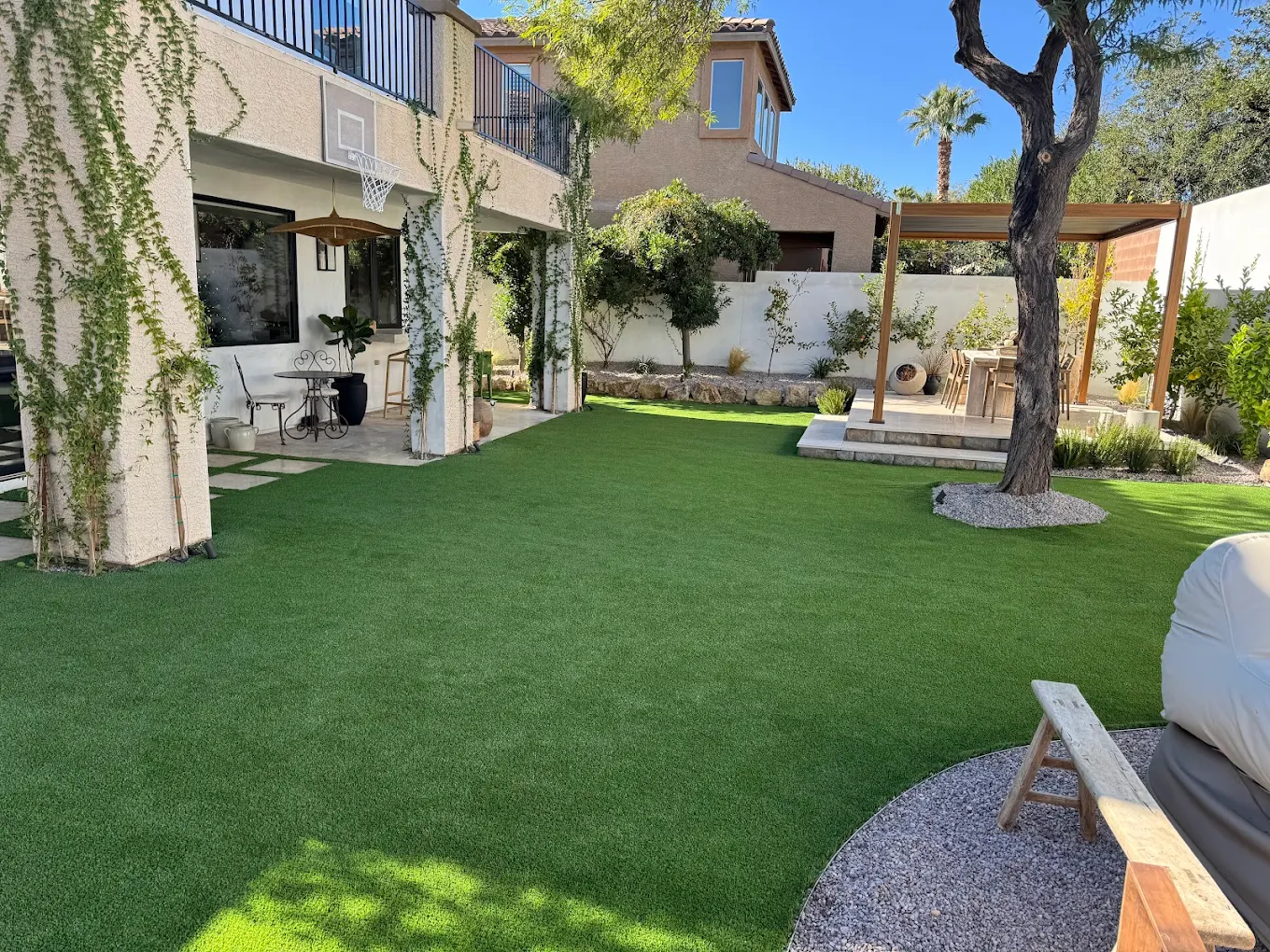
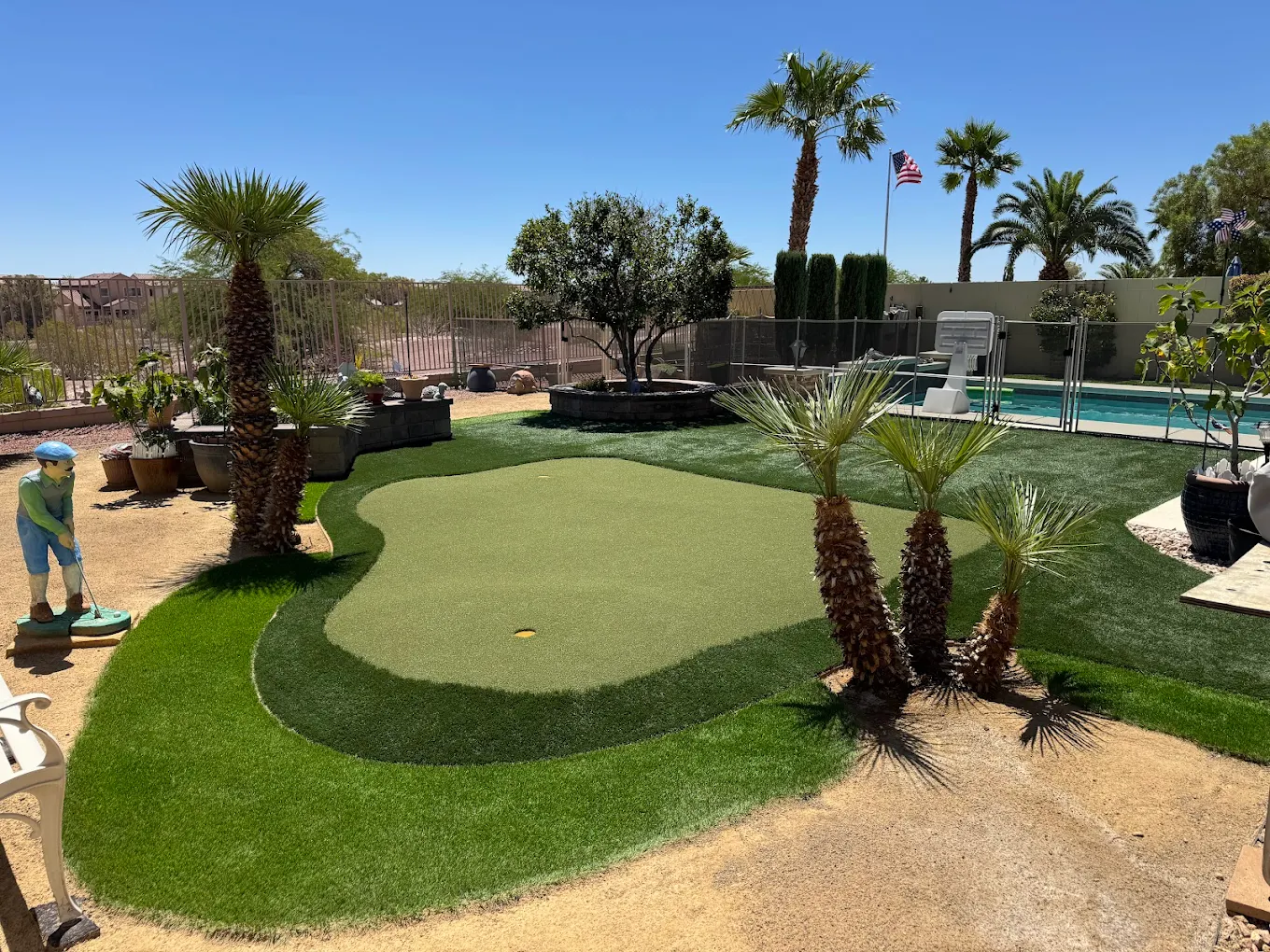
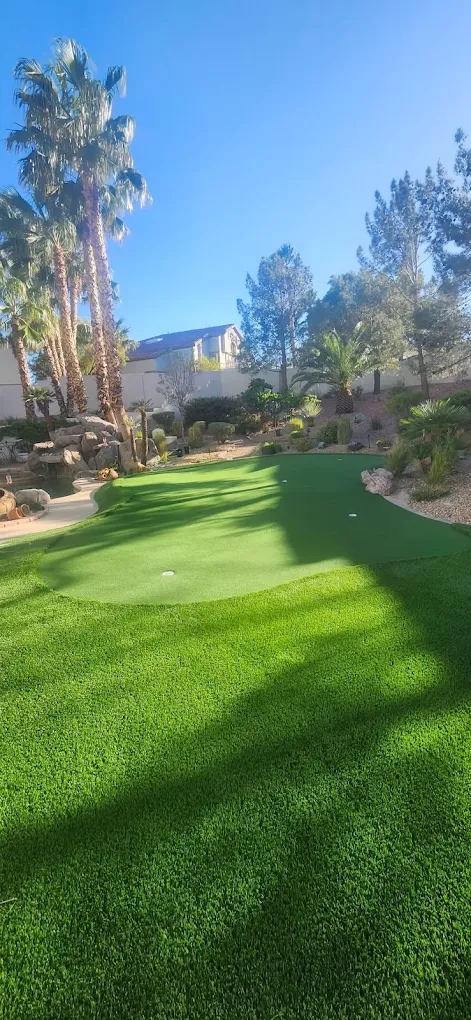
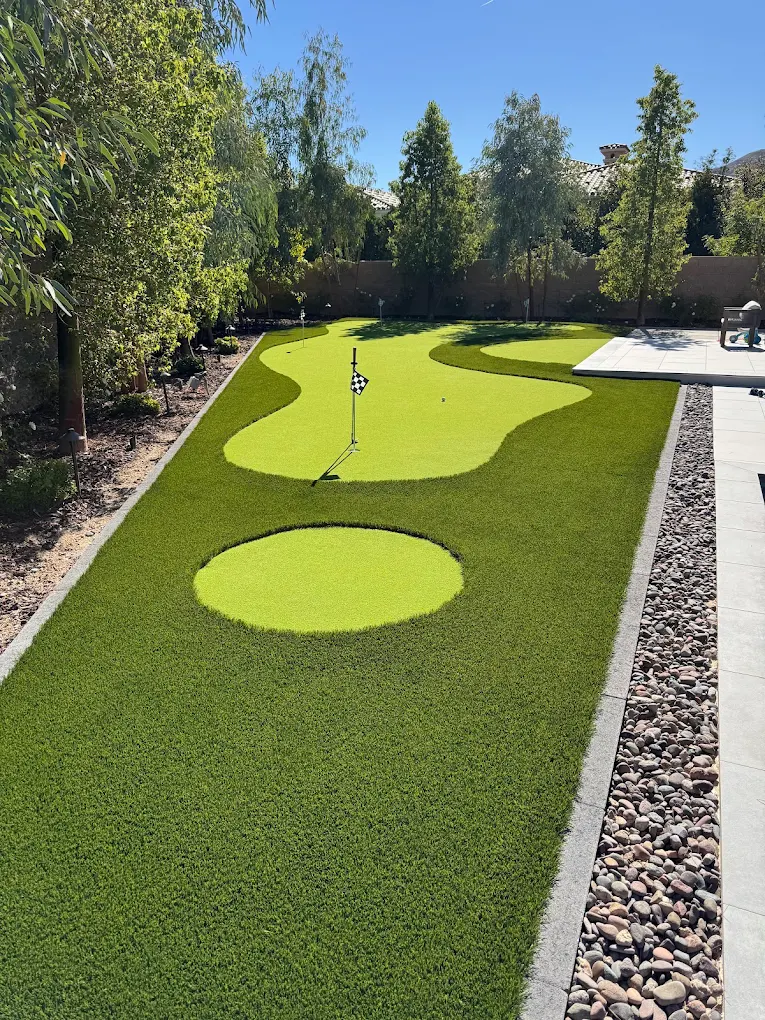
Las Vegas is one of the premier golf destinations in the United States, with over 50 courses in the metropolitan area and a culture that embraces golf as both recreation and business networking. This enthusiasm has fueled explosive growth in artificial turf golf practice installations, from backyard putting greens in Summerlin estates and Henderson custom homes to commercial driving range tee lines, resort putting courses, and dedicated golf training facilities throughout the valley. The desert climate that makes maintaining natural grass courses so expensive makes artificial practice surfaces even more attractive as a low-maintenance alternative.
The commercial segment of golf practice turf includes hotel and resort putting greens and short game areas, standalone golf entertainment venues, corporate campus recreation areas, apartment complex and HOA amenity putting greens, and private golf club practice facilities. Each of these applications has specific performance requirements and maintenance needs that differ from general-purpose artificial turf. Understanding these differences is essential for maintaining surfaces that perform like real golf turf rather than just looking like green carpet.
Properties along The Strip, in the Convention Center area, and at Henderson's luxury resort communities have invested heavily in premium golf practice installations that serve as both guest amenities and marketing tools. A well-maintained putting green at a resort or corporate campus creates an impression of quality and attention to detail that extends to the overall brand perception. Conversely, a poorly maintained practice green with inconsistent roll, visible wear, or embedded debris undermines the very image it was installed to project.
Putting Green Maintenance for Optimal Performance
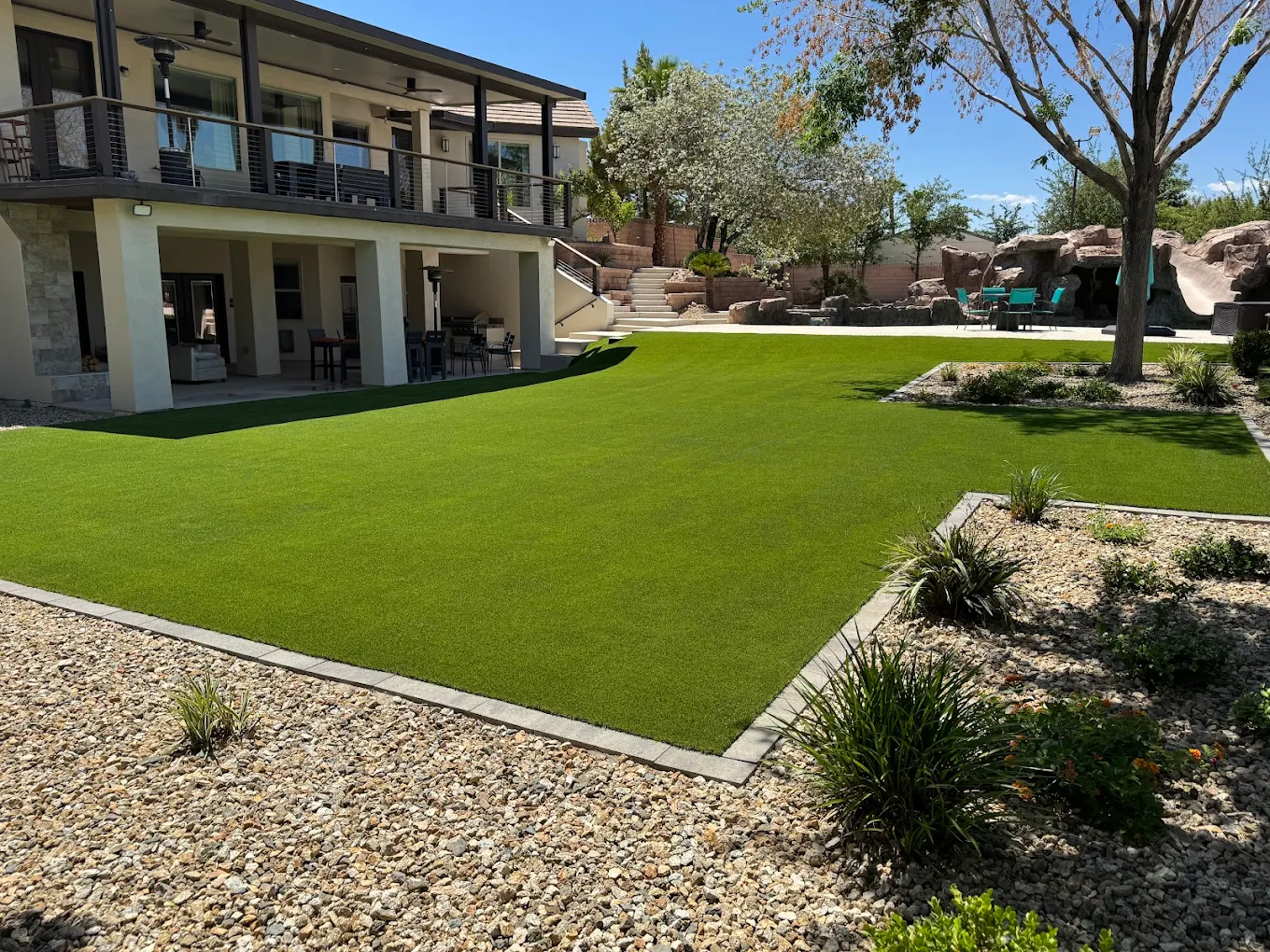
Putting green turf demands the most precise maintenance of any artificial turf application because golfers are acutely sensitive to surface inconsistencies that affect ball roll. Even minor debris accumulation, fiber matting, or infill displacement can alter the speed and direction of putts, frustrating users and degrading the practice experience. Maintaining consistent roll characteristics requires daily attention that goes beyond what most other turf applications need, particularly in Las Vegas where dust, sand, and debris accumulate rapidly on the fine-textured surfaces used for putting applications.
Daily maintenance for putting greens should include a thorough blowing to remove all loose debris, followed by light brushing in the direction of the nap to maintain fiber alignment and consistent ball roll. Any visible contaminants like leaves, bird droppings, or food debris should be removed immediately rather than waiting for the next scheduled cleaning. Resort putting greens near The Strip and at Henderson golf communities that receive this level of daily attention maintain consistent playing characteristics that satisfy even discriminating golfers.
Always brush putting green turf in the same direction to maintain consistent nap alignment. Changing brush direction creates inconsistent ball roll that makes the green frustrating to practice on, regardless of how clean the surface appears.
Chipping Area and Tee Line Maintenance
Chipping areas and driving range tee lines face maintenance challenges that differ significantly from putting surfaces. These areas absorb repeated impact from club strikes, which compresses infill, damages fibers, and can tear the turf backing in concentrated impact zones. Commercial facilities in the Las Vegas Valley, from standalone driving ranges to resort practice areas, need maintenance protocols that specifically address impact damage, divot repair, and accelerated wear patterns unique to these golf applications.
Rotation is the most effective strategy for extending the life of tee line turf. Rather than allowing golfers to hit from the same spot continuously, tee lines should be rotated on a regular schedule, moving the hitting area across the available width to distribute impact wear evenly. Commercial driving ranges near Spring Valley and Paradise that rotate hitting positions daily report tee line turf lasting two to three times longer than facilities that allow unrestricted positioning. For residential installations in Summerlin and Henderson, simply varying your practice position each session accomplishes the same goal.
Infill management in chipping and tee areas requires more frequent attention than other golf surfaces because club impact physically displaces infill material with each swing. Weekly infill redistribution in impact zones, combined with monthly depth measurements, ensures that these high-stress areas maintain proper cushioning and fiber support. Facilities that neglect infill management in tee areas typically see accelerated fiber breakage and backing damage that leads to premature replacement of these expensive surfaces.
Need Professional Turf Cleaning?
Get a free, no-obligation quote for your Las Vegas property. Same-day service available.
Desert Climate Challenges for Golf Turf
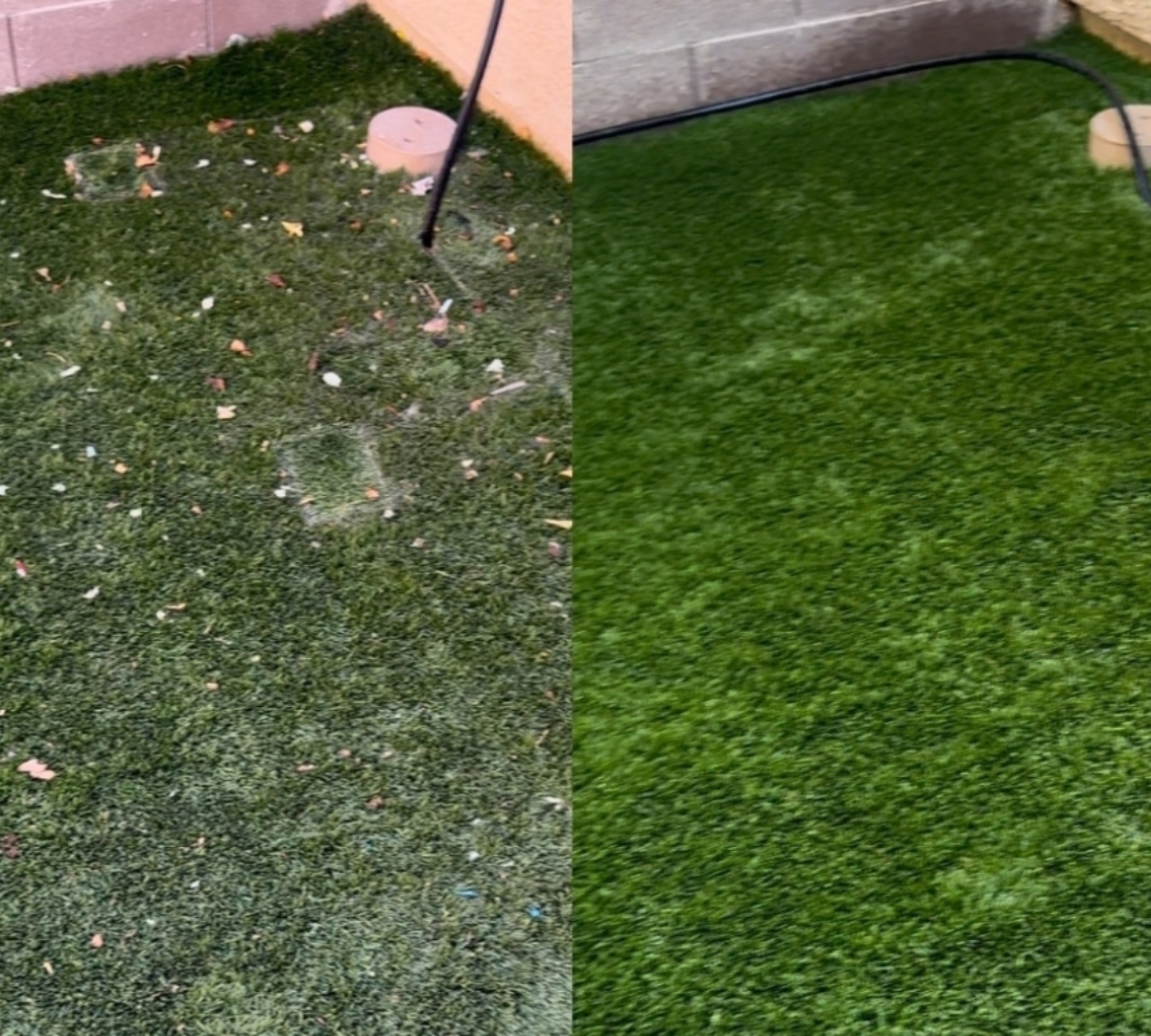
Las Vegas golf practice installations face the same desert climate challenges as all artificial turf in the valley, but the performance sensitivity of golf surfaces makes these challenges more impactful. Dust and sand accumulation affects ball roll on putting greens, UV degradation alters surface speed over time as fibers break down, and extreme heat changes the playing characteristics of the surface by softening infill and affecting fiber resilience. These factors require golf turf owners to be more vigilant about maintenance than owners of general-purpose turf installations.
Heat management is particularly important for golf practice turf because surface temperature directly affects ball behavior. A putting green at 160 degrees plays significantly different from the same green at 80 degrees, with the heated surface producing faster roll speeds and less predictable breaks. Golfers who practice on overheated surfaces develop habits that don't translate to real course conditions. Cooling rinses before practice sessions, strategic shade structures, and scheduling practice during cooler hours all help maintain realistic playing conditions at Las Vegas golf installations.
Maintenance for Commercial Golf Facilities
Commercial golf practice facilities, whether standalone ranges, resort amenities, or golf entertainment venues, need professional maintenance programs that keep surfaces performing at a level that justifies the premium pricing these facilities command. A commercial putting green or practice area that plays poorly will drive customers away regardless of how good the surrounding facility looks. Maintenance for commercial golf turf should be performed by technicians who understand golf surface performance, not general turf cleaning crews who may get the surface clean without achieving the playing quality golfers expect.
Establishing baseline performance metrics at installation and tracking them over time provides objective data for maintenance decision-making. Stimpmeter readings on putting greens, ball bounce consistency tests on chipping areas, and surface speed measurements on approach shot zones create benchmarks that maintenance activities aim to maintain. Facilities near Downtown Las Vegas and in Henderson's golf corridor that track these metrics can identify performance degradation early and address it through targeted maintenance before users notice the decline.
Investment and Maintenance Costs for Golf Turf
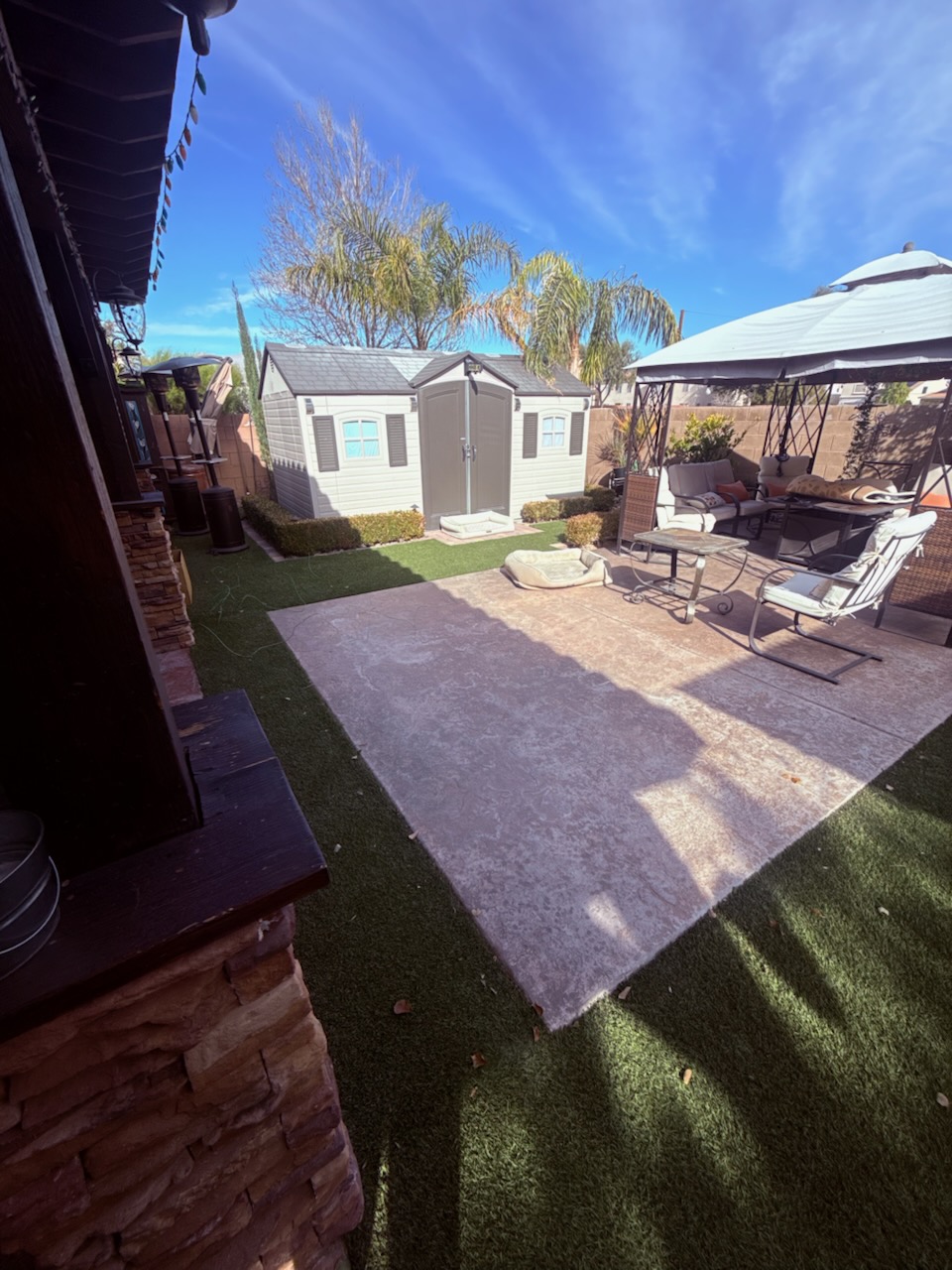
Golf-specific artificial turf products command premium pricing compared to general-purpose turf, reflecting the tighter manufacturing tolerances and specialized materials required for acceptable playing performance. Putting green turf typically costs $8 to $15 per square foot for the material alone, with total installed costs of $18 to $35 per square foot depending on the complexity of the design, sub-base requirements, and any contouring or break shaping included in the installation. A commercial-grade 2,000-square-foot putting green at a Las Vegas resort or corporate campus might represent a $36,000 to $70,000 investment.
Ongoing maintenance costs for golf practice turf run higher per square foot than general commercial turf because of the more frequent and specialized care required. Budget $0.25 to $0.50 per square foot per month for professional maintenance of putting greens and practice areas, covering daily grooming, weekly cleaning, monthly deep maintenance, and periodic infill management. For the 2,000-square-foot resort putting green example, that translates to $500 to $1,000 per month. Properties in Summerlin and Henderson that maintain this level of investment in their golf amenities consistently report high guest satisfaction and positive return on their turf investment.