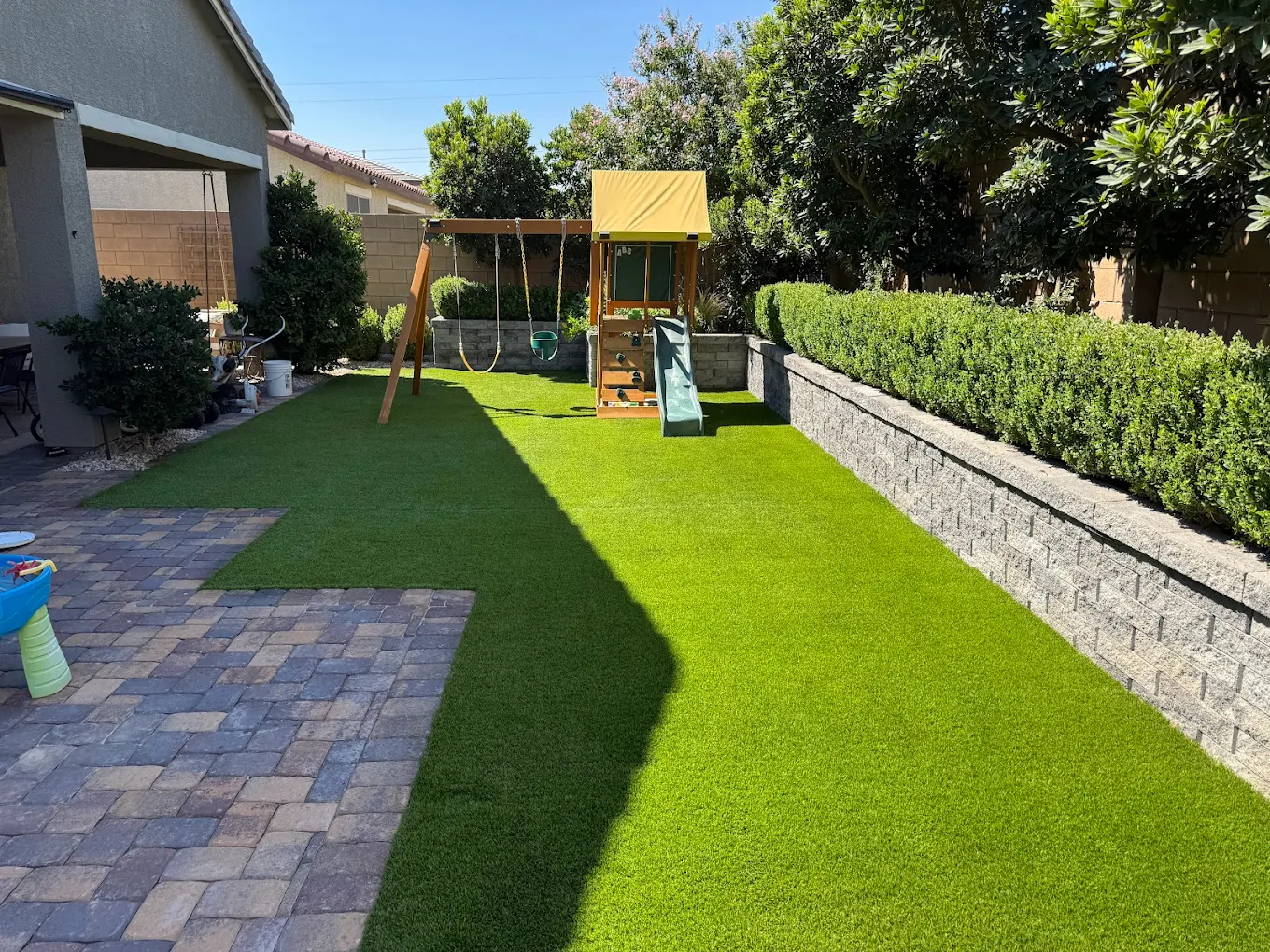
Why Dogs Dig at Artificial Turf
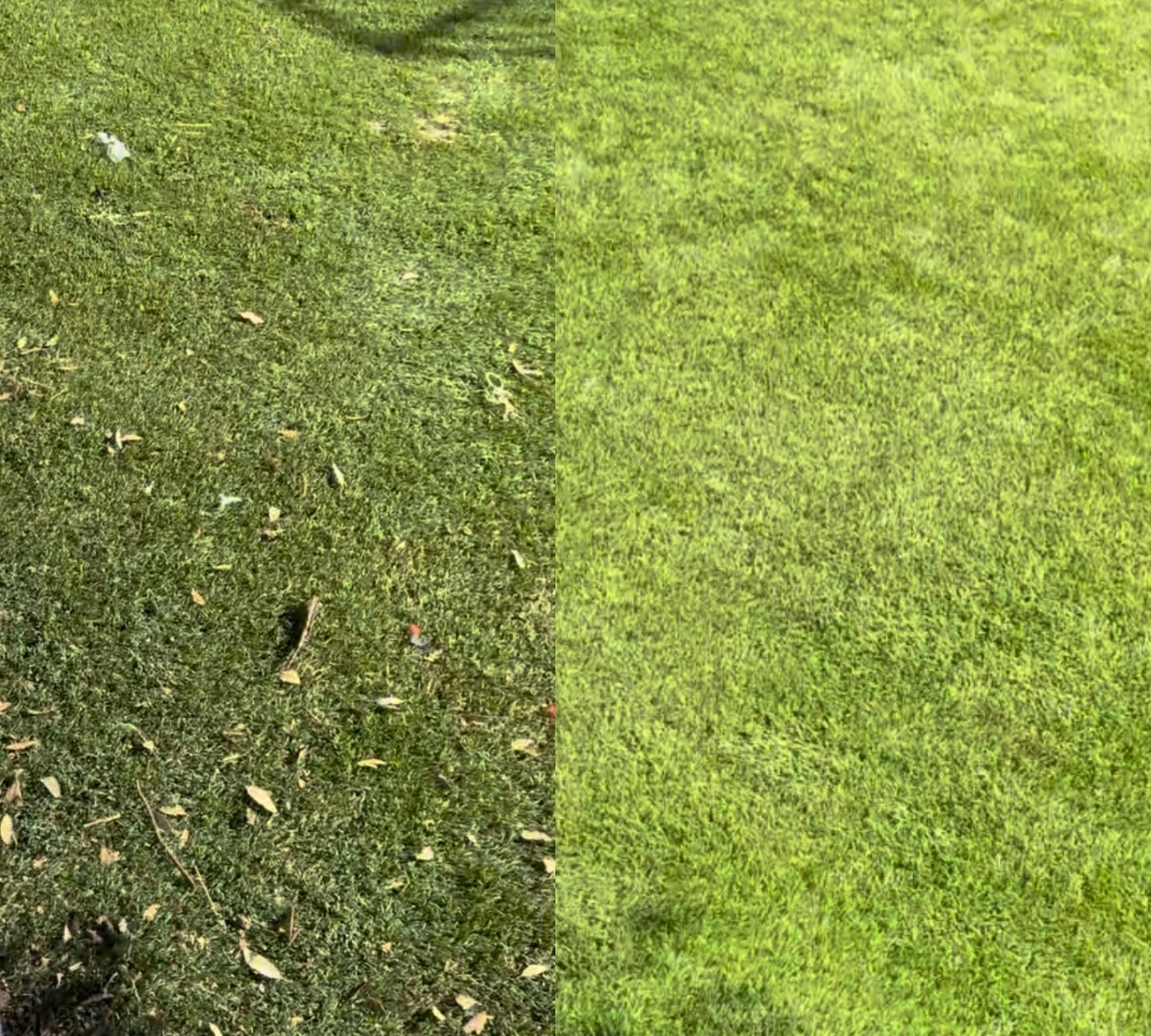
Understanding why your dog digs is essential to stopping the behavior effectively. Dogs dig on artificial turf for the same reasons they dig in natural ground: boredom, anxiety, temperature regulation, prey drive, and instinct. In Las Vegas, the extreme summer heat adds another dimension because dogs instinctively try to reach cooler ground beneath the hot turf surface. When turf temperatures climb above 130 degrees, a dog's natural response is to dig through the surface to find relief in the cooler substrate below.
Some breeds are genetically predisposed to digging, including terriers, dachshunds, huskies, and malamutes. These dogs require additional management strategies beyond what works for less dig-motivated breeds. Summerlin and Henderson owners of these breeds should plan for digging prevention from the moment they install artificial turf, rather than waiting for damage to occur.
Separation anxiety and boredom are the most common behavioral causes of destructive digging on turf. Dogs left alone in Las Vegas backyards for extended periods, especially during the long, hot summer days when they can't comfortably exercise, often channel their frustration into digging at turf edges and seams. Addressing the root cause is always more effective than physical barriers alone.
Reinforcing Turf Edges Against Digging
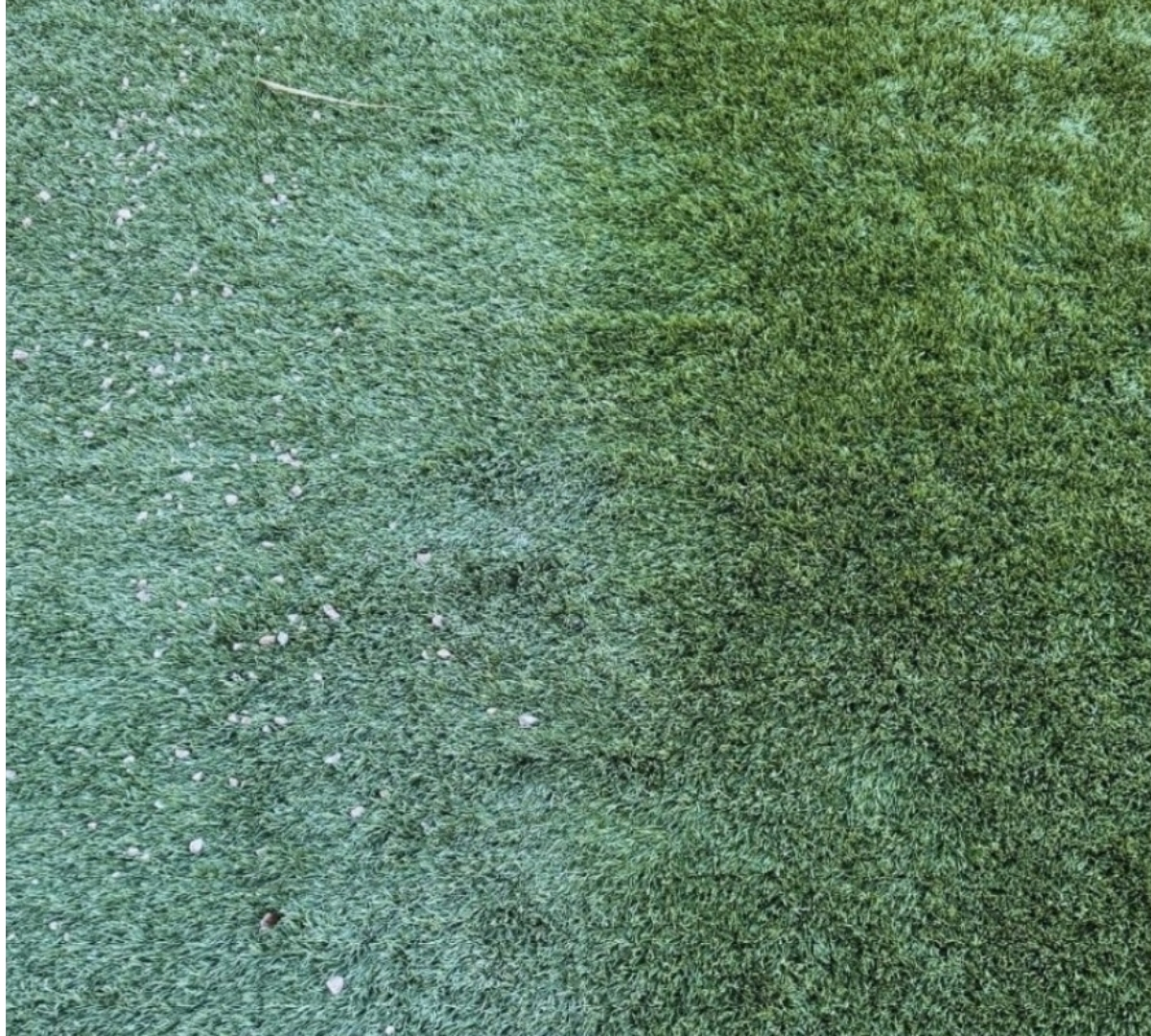
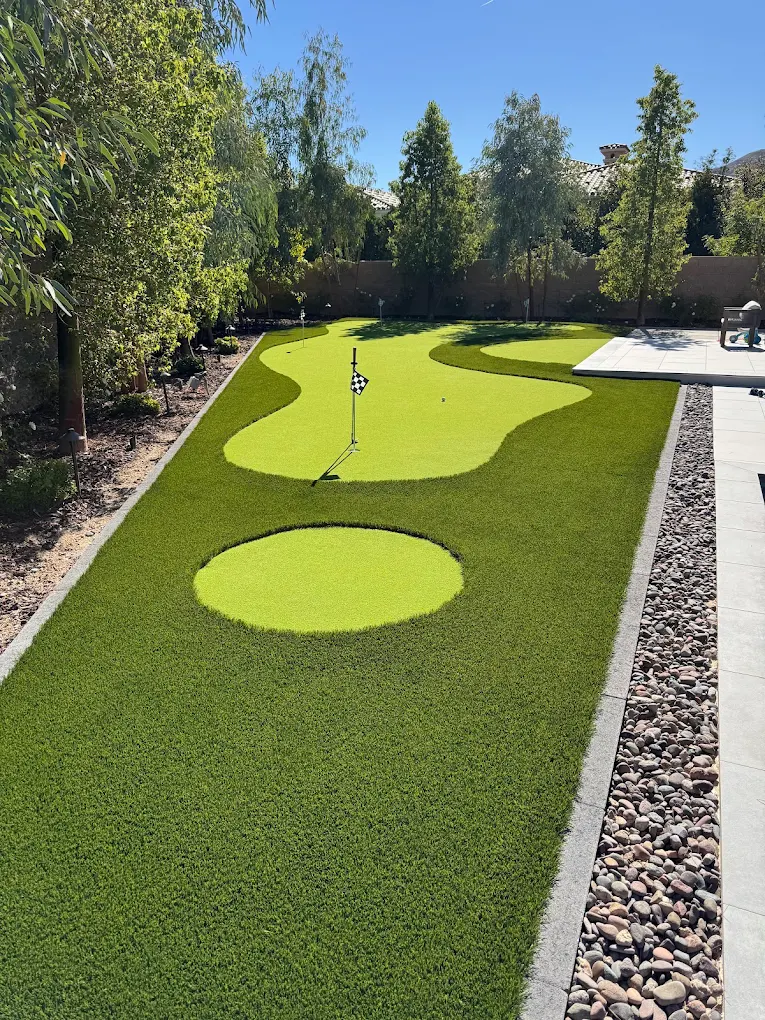
Most digging damage occurs at turf edges where dogs can get purchase on a corner or seam. The most effective physical deterrent is a concrete or stone border, such as a mow strip, installed flush with or slightly above the turf surface. This hard border eliminates the gap between turf and adjacent surfaces that dogs use as a starting point for their digging efforts.
For existing installations where a concrete border isn't practical, heavy-gauge landscape staples placed every two to three inches along vulnerable edges provide significant resistance. Supplement these with a row of decorative river rock or large-format pavers along the turf perimeter. The uncomfortable surface of the rocks discourages pawing at the edge. Many Paradise and Spring Valley homeowners find this combination of staples and rock border resolves edge digging within a few weeks.
Buried wire mesh or hardware cloth along the turf perimeter provides another layer of protection for persistent diggers. Install a 12-inch strip of galvanized hardware cloth under the turf edge, extending six inches onto the turf surface and six inches beyond the perimeter. This underground barrier stops dogs from getting beneath the turf even if they manage to lift an edge.
- Install concrete mow strips or stone borders around the entire perimeter
- Add landscape staples every 2 to 3 inches along vulnerable edges
- Place decorative river rock along borders to discourage pawing
- Bury hardware cloth under turf edges for persistent diggers
- Seal all seams with heavy-duty joining tape and turf adhesive
Creating an Approved Digging Zone
Rather than trying to eliminate digging behavior entirely, redirecting it to an acceptable location is often the most successful strategy. Build a digging box or sand pit in one corner of your yard, a simple 3-by-4-foot wooden frame filled with play sand or loose soil. Bury treats and toys in the box to encourage your dog to dig there instead of on the turf.
When you catch your dog digging on the turf, interrupt the behavior calmly and redirect them to the digging box. Reward them enthusiastically when they dig in the approved zone. This positive redirection approach typically shows results within two to three weeks and is recommended by dog trainers throughout Centennial Hills, North Las Vegas, and the broader Las Vegas area. The key is consistency: every family member must redirect to the same spot every time.
Bury new treats and toys in the digging box every few days to keep it more interesting than the turf. Dogs will naturally gravitate toward the area with the highest reward potential.
Need Professional Turf Cleaning?
Get a free, no-obligation quote for your Las Vegas property. Same-day service available.
Solving Heat-Related Digging in Las Vegas
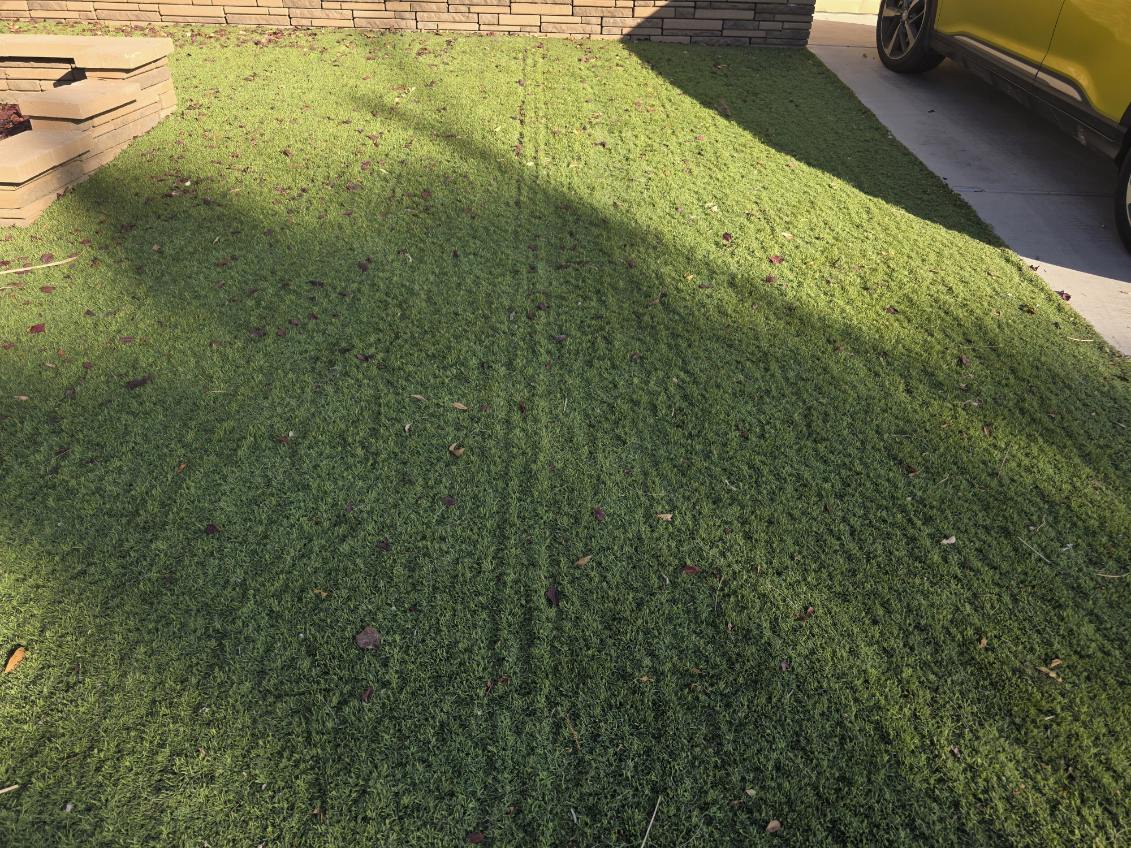
When dogs dig on turf primarily during hot afternoons, the behavior is almost certainly temperature-driven. They're trying to reach the cooler ground beneath the heated surface. The solution is managing the surface temperature rather than trying to train away an instinctive survival behavior. Shade structures, misting systems, and timed sprinklers that wet the turf periodically during peak heat hours all address the root cause effectively.
A shaded rest area with a cooling mat or elevated dog bed gives your dog a comfortable alternative to digging for cool ground. Place these cooling options in the shadiest part of your yard, ideally under a pergola, shade sail, or mature tree. Enterprise and Southern Highlands homeowners have found that providing these comfortable alternatives virtually eliminates heat-motivated digging, even in breeds with strong digging instincts.
If your dog spends time outdoors during peak heat, consider installing a timer-controlled sprinkler that mists the turf surface for two minutes every hour during the hottest part of the day. This keeps the surface cool enough that your dog feels no need to dig for temperature relief. The water usage is minimal and the investment in a basic timer system is far less than repairing turf damaged by persistent digging.
Exercise and Enrichment to Reduce Digging
A tired dog is a well-behaved dog, and this applies directly to digging behavior. Many digging problems in Las Vegas backyards stem from under-exercised dogs with too much energy and not enough stimulation. Ensuring your dog gets adequate physical exercise and mental enrichment dramatically reduces destructive behaviors of all kinds, including digging.
In Las Vegas, where outdoor exercise is limited during summer afternoons, creative indoor enrichment becomes essential. Puzzle feeders, frozen Kong toys, nose work games, and short indoor training sessions burn mental energy that would otherwise be channeled into backyard destruction. Supplement indoor activities with early morning or evening walks, swimming at dog-friendly facilities, or structured play sessions during cooler hours. Green Valley and Boulder City dog owners who maintain consistent exercise routines report significantly less turf damage than those who rely on backyard time alone for their dog's activity needs.
- Provide at least 30 to 60 minutes of exercise before leaving dogs in the yard
- Use puzzle feeders and frozen treats for mental stimulation
- Schedule play sessions during cooler morning and evening hours
- Rotate toys regularly to prevent boredom
- Consider dog daycare on extremely hot days when outdoor time is limited
Repairing Turf Damage from Digging
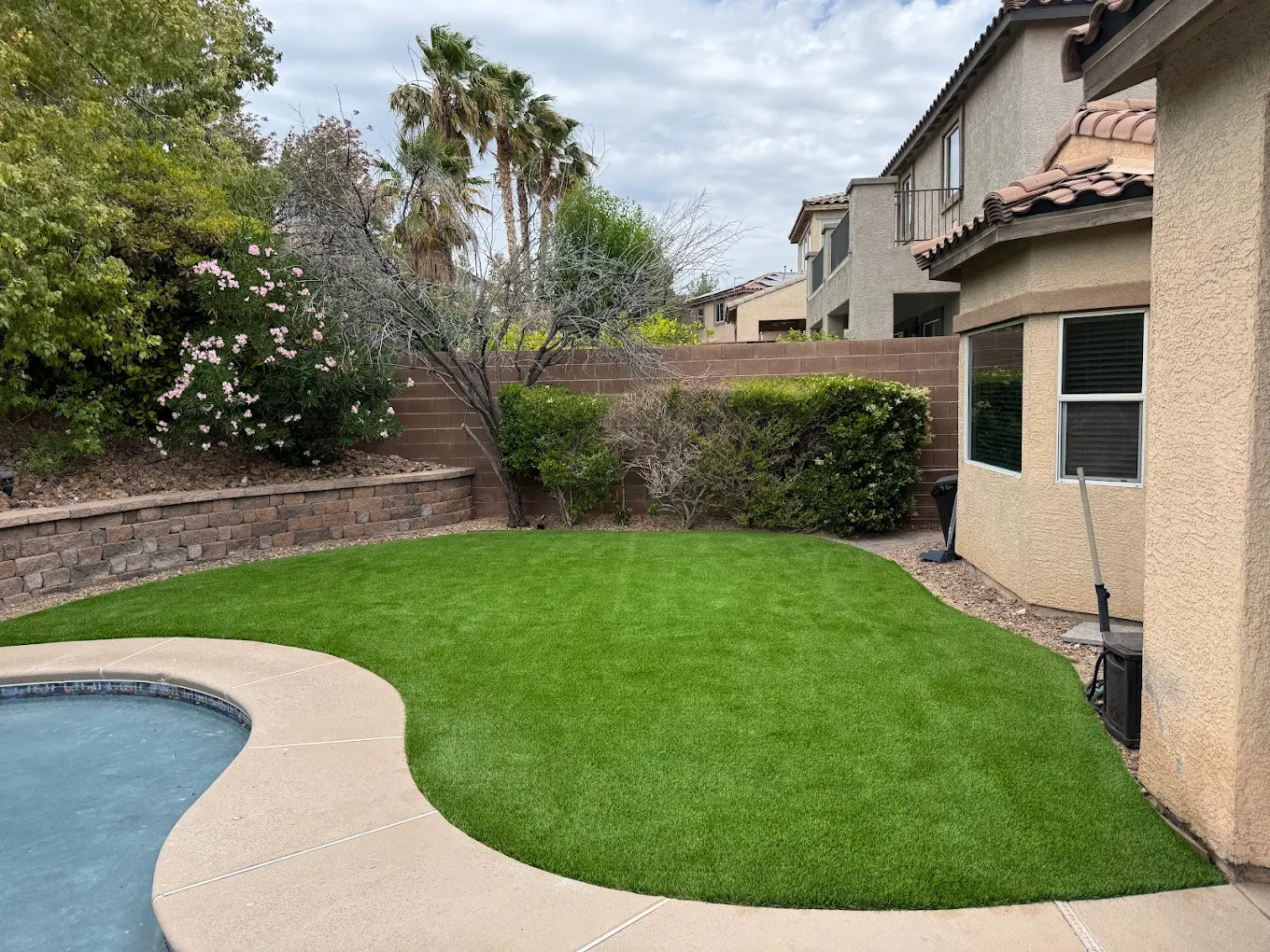
If digging has already damaged your turf, prompt repair prevents the damage from worsening. Small areas where turf has been pulled up but not torn can often be re-secured by lifting the section, smoothing the sub-base, replacing any displaced infill, and re-stapling the turf firmly in place. This repair works well for edge lifting and corner displacement common in North Las Vegas and Paradise yards.
For torn or shredded turf, a patch repair is typically necessary. Cut out the damaged section using a sharp utility knife, then cut a matching piece from a turf remnant (request leftover material from your installer to keep on hand for repairs). Secure the patch with joining tape and turf adhesive, then stake the edges. While patches may be slightly visible up close, they prevent the damage from spreading and restore the turf's integrity.
After any repair, address the underlying cause before allowing your dog unsupervised access to the area. Reinforce edges, add shade if heat was the trigger, increase exercise, or install physical barriers. Repairing the turf without changing the conditions that led to digging virtually guarantees repeat damage.
Always save turf remnants from your original installation for future patch repairs. Store them flat in a cool, dry location like a garage. Having matching material makes repairs far less visible and more durable.