Why Sticky Substances Are a Problem on Artificial Turf
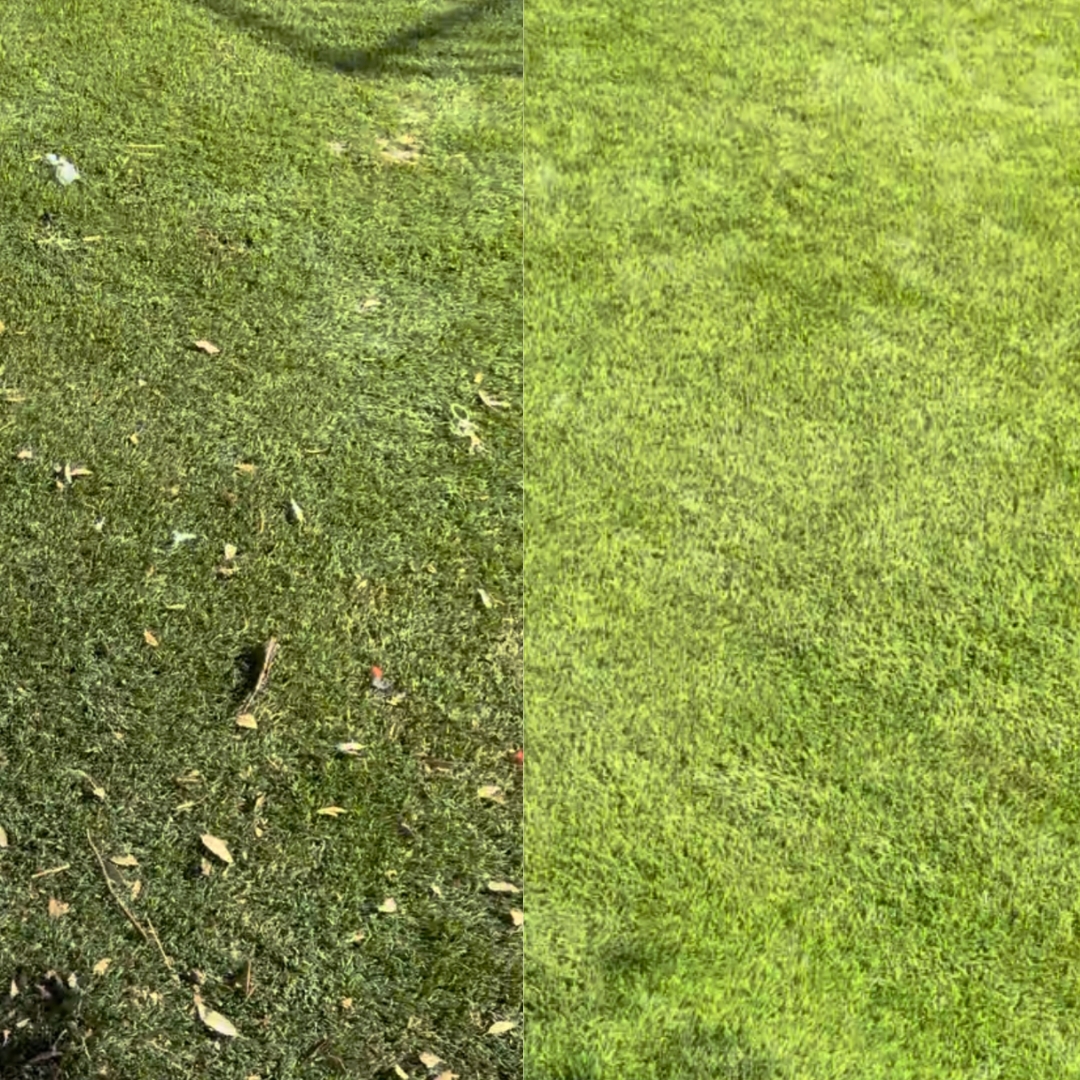
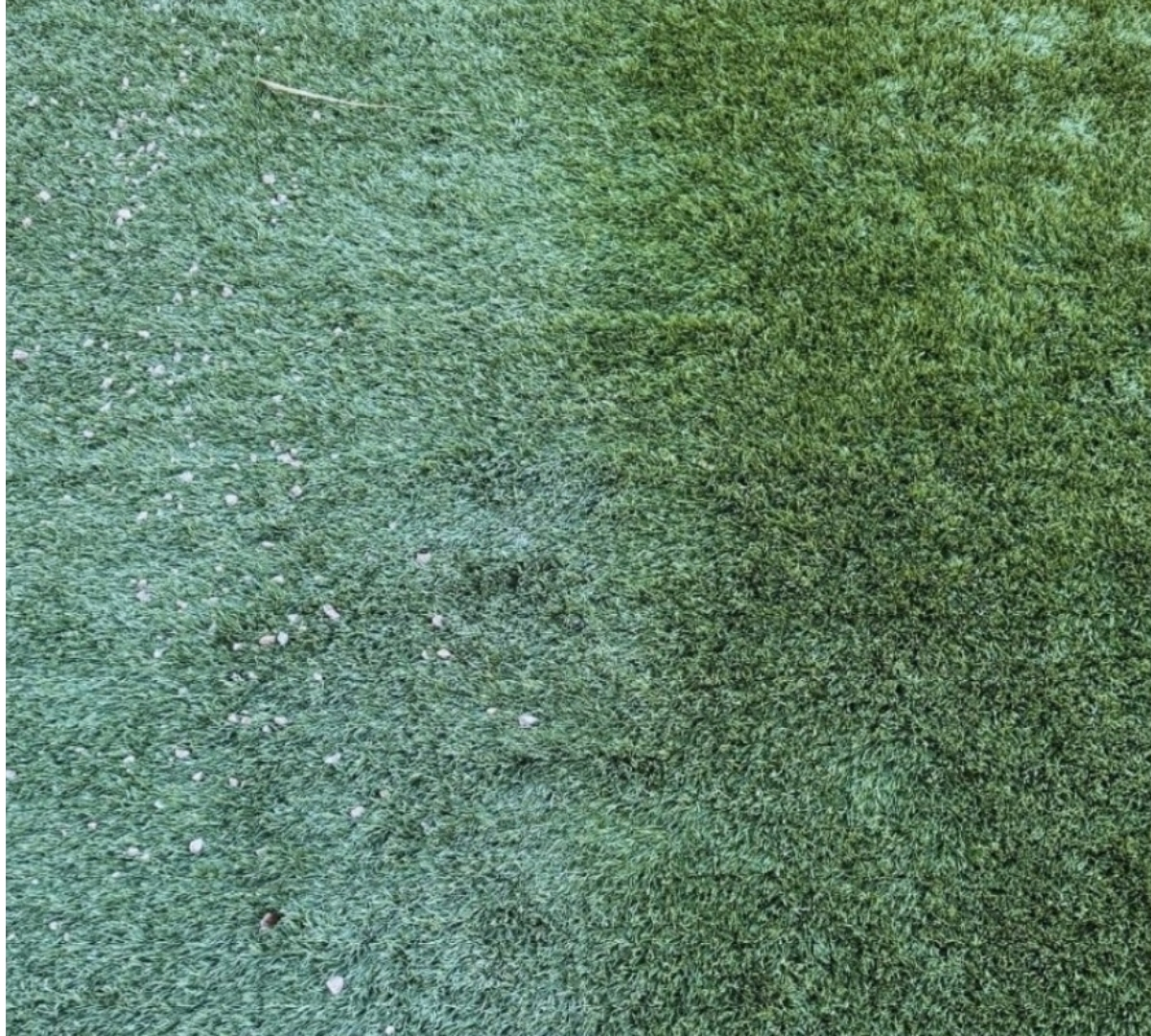
Sticky substances like chewing gum, candy, tree sap, adhesive residue, and melted popsicles create a unique cleaning challenge on artificial turf because they bond to the individual fiber blades and resist water-based cleaning methods. Unlike spills that sit on the surface, sticky materials wrap around fibers and harden into a grip that tightens as the substance dries or cools. In Las Vegas neighborhoods like Summerlin, Henderson, and Spring Valley where kids play outdoors year-round, gum and candy are among the most frequent sticky culprits found on residential turf.
The Las Vegas heat adds a complicating twist to sticky substance removal. During summer months, gum and candy soften in the extreme heat and spread across more fibers before you discover them, making the affected area larger and harder to clean. Conversely, the rapid cooling in the evening can cause these substances to harden quickly, bonding them firmly to fiber tips by the time you attempt removal the next morning. Timing your cleanup based on temperature conditions is a key factor in successful removal.
The Ice and Freezing Method
Freezing is the most reliable first approach for removing gum and many other sticky substances from artificial turf. The principle is simple: cold temperatures make sticky materials brittle, allowing them to be broken away from the fibers rather than stretched and smeared further. Place a bag of ice cubes or a commercial cold pack directly on the sticky substance and leave it in place for 10 to 15 minutes until the material hardens completely. In Las Vegas summer heat, you may need a larger ice pack or a second application since the surrounding surface temperature works against you.
Once the substance is frozen solid, use a plastic scraper, old credit card, or butter knife to carefully chip it away from the fiber tips. Work from the edges inward, breaking off small pieces rather than trying to peel the entire mass at once. The goal is to remove the bulk of the material mechanically while it's brittle, then treat any remaining residue with a solvent. This method works exceptionally well for chewing gum, caramel, taffy, and most candy types found in yards across Paradise and Green Valley.
Keep a can of compressed air (the kind used for cleaning electronics) in your cleaning kit. Spraying it upside down releases extremely cold gas that freezes small sticky spots in seconds, which is faster than waiting for ice to work on a hot Las Vegas day.
Solvent-Based Removal for Stubborn Residue
After removing the bulk of a sticky substance by freezing, some residue usually remains on the fiber surfaces. For this remaining film, a small amount of rubbing alcohol, mineral spirits, or a commercial adhesive remover applied with a clean cloth effectively dissolves the sticky residue without damaging turf fibers. Dab the solvent onto the residue rather than pouring it, as excessive solvent application can penetrate into the infill and create issues below the surface.
Work the solvent gently into the remaining residue using a soft cloth or cotton ball, then wipe clean with a fresh cloth. Repeat until no sticky residue transfers to the cloth. After solvent treatment, flush the area with water and mild dish soap to remove any solvent residue from the fibers and infill. This final rinse is important because leftover solvent can attract dirt and create a new soiling problem in the treated area, especially in the dusty conditions common across Centennial Hills and North Las Vegas.
Always test any solvent on a hidden area of turf first to check for discoloration or fiber damage. Some older or lower-quality turf materials react poorly to petroleum-based solvents. Wait 30 minutes after testing to check for any adverse effects.
Need Professional Turf Cleaning?
Get a free, no-obligation quote for your Las Vegas property. Same-day service available.
Removal Guide for Specific Sticky Substances
Different sticky substances respond best to different treatments. Tree sap, which is common on turf beneath mesquite and other landscape trees in Southern Highlands and Enterprise, dissolves effectively with rubbing alcohol or hand sanitizer. Apply the alcohol generously, let it sit for two minutes, then wipe with a clean cloth. For tape residue left behind by party decorations, outdoor event setups, or construction masking, a commercial adhesive remover like Goo Gone works well when applied sparingly and followed by a soap-and-water rinse.
Melted candy and popsicle stains require a two-phase approach: dissolve the sugar component with warm water first, then address any remaining sticky coloring with a mild dish soap solution. For wax-based substances like crayon marks or candle drips, freeze first, remove the bulk mechanically, then use a small amount of mineral spirits on the residue. Silicone-based products like certain sealants or lubricants that drip onto turf are best treated with a dedicated silicone remover available at hardware stores throughout the valley.
- Chewing gum: Freeze with ice, chip off, clean residue with rubbing alcohol
- Tree sap: Apply rubbing alcohol or hand sanitizer, let sit, wipe clean
- Tape residue: Use commercial adhesive remover, rinse with soap and water
- Melted candy: Dissolve sugar with warm water, clean color with dish soap
- Candle wax: Freeze, chip off, treat residue with mineral spirits
- Silicone products: Use dedicated silicone remover from hardware stores
Preventing Sticky Substance Problems
While you can't completely prevent sticky substances from reaching your turf, a few proactive measures reduce the frequency and severity of these incidents. Establish a no-gum policy for the turf area if possible, especially for homes in Henderson and Summerlin with children who play on the lawn regularly. Place trash cans with lids near outdoor play and entertaining areas so sticky wrappers and food waste have a convenient disposal point that doesn't involve the turf surface.
For tree sap, which is a recurring seasonal issue in many Las Vegas yards, consider trimming branches that overhang the turf area or installing a temporary mesh canopy during peak sap season. If your turf sits beneath trees in Boulder City or Green Valley that consistently drop sticky substances, scheduling a weekly inspection and spot-clean routine specifically for sap keeps the problem manageable rather than letting it accumulate into a major cleanup project.
When to Call a Professional for Sticky Messes
Most sticky substance incidents can be handled at home with the methods described above, but a few situations warrant professional assistance. Large areas of turf covered in a sticky substance, like a spilled bucket of adhesive or widespread tree sap accumulation, benefit from professional equipment that can treat the entire affected zone efficiently. Similarly, if a sticky substance has been ground into the turf by foot traffic and has penetrated deep into the infill, surface-level treatment won't fully resolve the problem.
Professional turf cleaners use commercial-grade solvents and extraction equipment that remove contaminants from the full depth of the turf system. They can also assess whether the sticky substance has caused any fiber damage that might need attention beyond simple cleaning. For homeowners who have tried DIY removal without success or who are concerned about using solvents on their specific turf type, a professional consultation provides expert guidance and peace of mind.