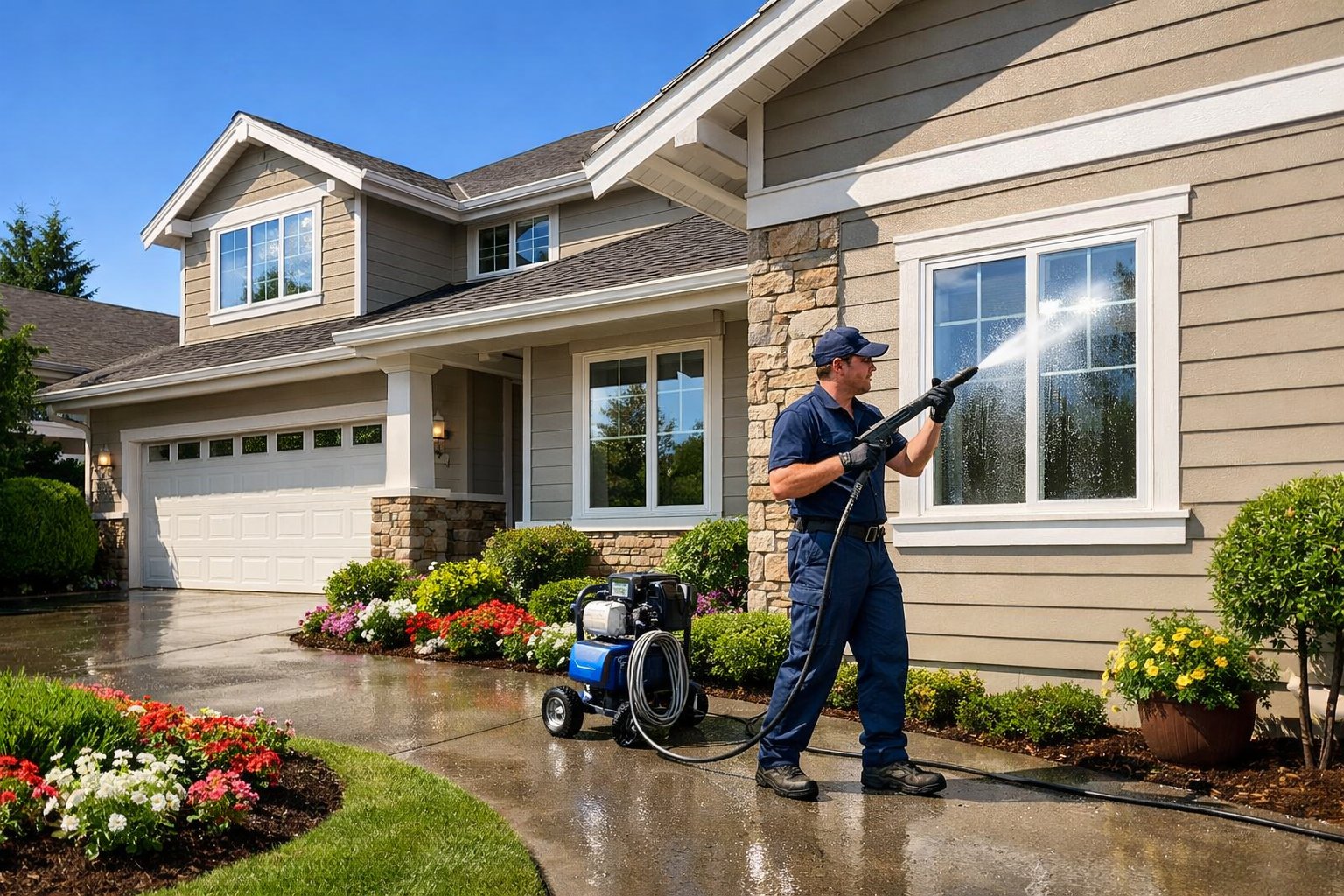
Should You Power Wash Artificial Turf?
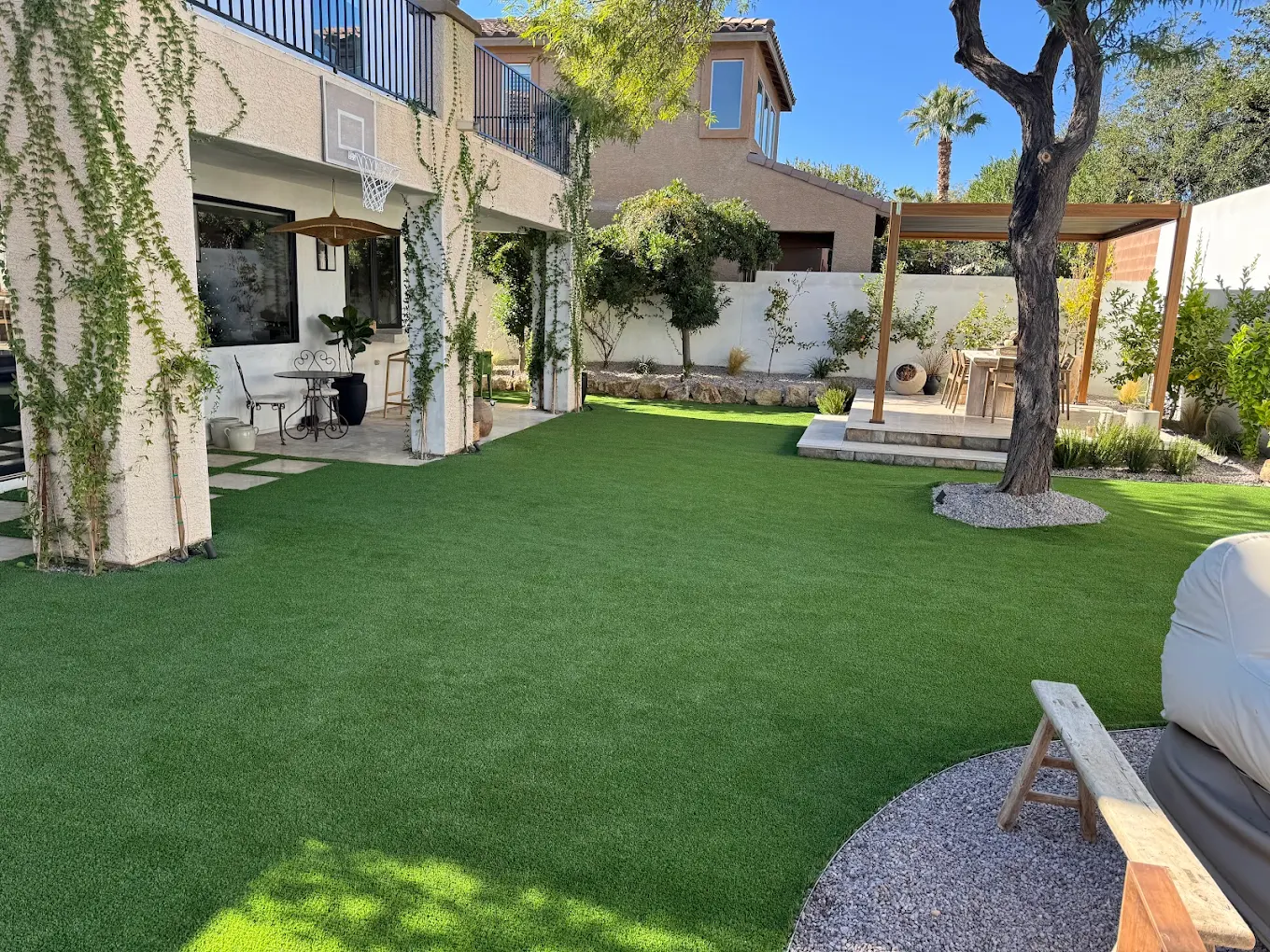
Power washing artificial turf is a topic that divides opinions among turf professionals and homeowners throughout Las Vegas. When done correctly, pressure washing delivers the deepest clean possible, flushing accumulated dust, organic matter, and bacteria from the infill and drainage system in ways that garden hoses and manual scrubbing simply cannot match. For properties in Summerlin and Henderson that haven't had professional maintenance in years, a careful power wash can make turf look and smell like new.
However, the key phrase is 'when done correctly.' Incorrect pressure, wrong nozzle selection, or improper technique can blast infill out of the turf, damage fiber tips, separate seams, and even detach the turf from its anchoring along edges and borders. The risks are real enough that some turf manufacturers explicitly void warranties if power washing damage is detected. Understanding the right approach protects both your turf and your investment.
For most Las Vegas homeowners, the answer is that occasional power washing is beneficial and safe when you follow proper guidelines. The desert environment deposits so much fine particulate matter into turf systems that even diligent manual maintenance can't prevent gradual buildup in the infill and backing layers. A well-executed power wash once or twice a year addresses this deep accumulation and extends the overall life of your installation.
Choosing the Right Equipment and Settings
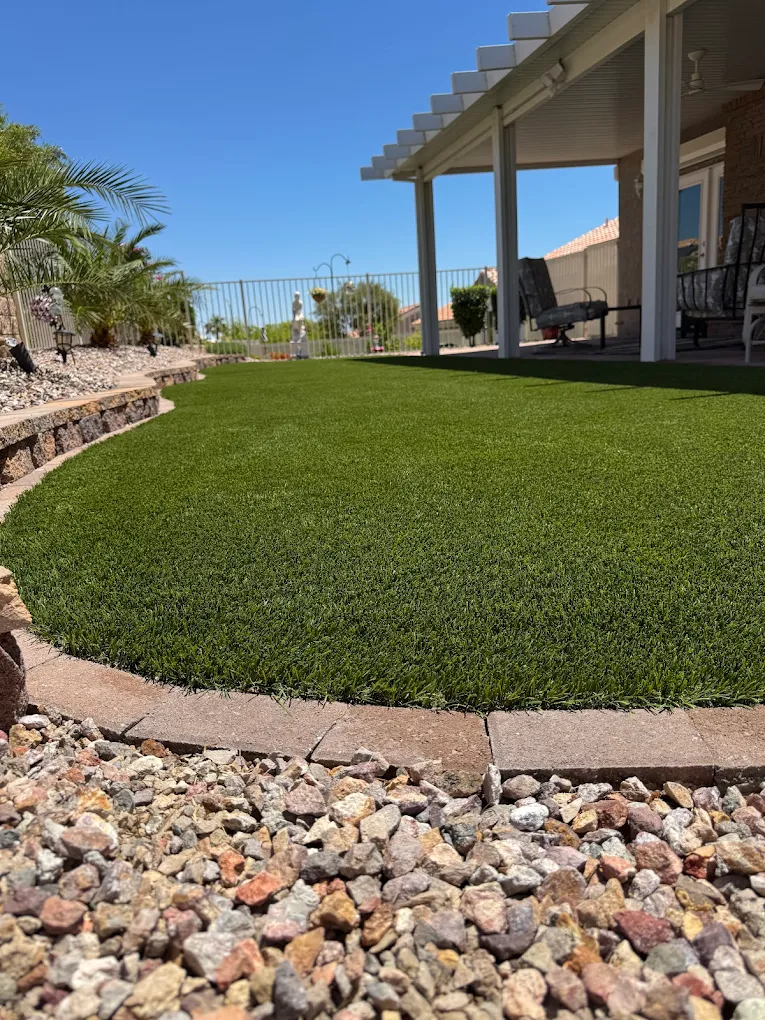
The most critical factor in safe turf power washing is pressure, specifically keeping it low enough to clean effectively without causing damage. Residential pressure washers typically range from 1,300 to 3,100 PSI, but artificial turf should never be cleaned above 1,500 PSI. Ideally, set your machine between 1,000 and 1,200 PSI for routine cleaning. This range provides enough force to dislodge embedded debris from infill without blowing the infill out of the turf or damaging fiber tips.
Nozzle selection is equally important. Use a 25-degree or 40-degree fan nozzle, never a zero-degree pinpoint nozzle, which concentrates enough force to cut through turf backing at even moderate pressures. The wider spray pattern distributes the cleaning force across a larger area, reducing the intensity at any single point. Many pressure washing professionals in Paradise and Green Valley recommend the 40-degree nozzle for first-time turf washers as it provides the greatest margin of safety.
- Set pressure between 1,000 and 1,200 PSI, never exceeding 1,500 PSI
- Use a 25-degree or 40-degree fan spray nozzle only
- Maintain at least 12 inches between the nozzle and the turf surface
- Use a surface cleaner attachment for large, flat areas when available
- Test on a small hidden area before cleaning the entire lawn
Never use a zero-degree (red) nozzle tip on artificial turf. The concentrated stream can cut through turf backing, blast away infill, and permanently damage fibers in a matter of seconds.
Step-by-Step Power Washing Process
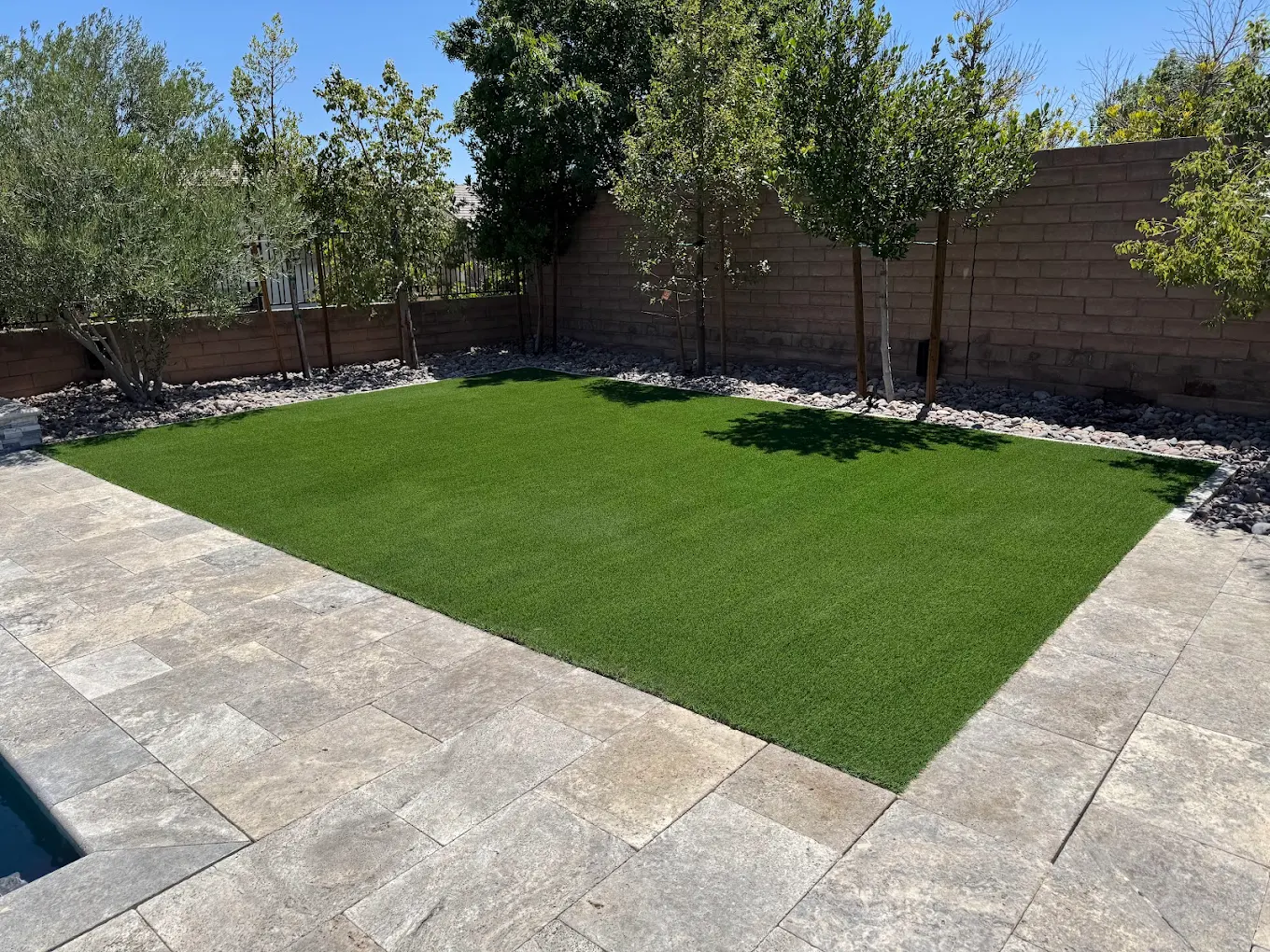
Begin by removing all furniture, toys, and loose items from the turf area, then use a leaf blower to clear dry debris. Pre-treat any visible stains with an appropriate spot cleaner and allow it to dwell while you set up the pressure washer. Connect your machine to a reliable water source and select the correct nozzle tip. Before touching the turf, test the spray on a hard surface like concrete to verify the pressure feels appropriate and the nozzle pattern is wide enough.
Start at one edge of the turf and work in overlapping parallel passes, similar to mowing a lawn. Keep the nozzle at a consistent height of 12 to 18 inches above the surface and angle the spray slightly rather than pointing straight down. This angled approach lifts debris up and out of the turf rather than driving it deeper into the infill. Move at a steady walking pace and resist the temptation to linger on stubborn spots. Instead, make a note of problem areas and return for a second pass after completing the full area.
After washing, allow the turf to dry completely, which takes just a couple of hours in Las Vegas summer conditions but may require a full day during cooler months. Once dry, brush the entire surface against the grain to redistribute infill and lift fibers that were pressed down by the water pressure. Check infill levels in multiple spots, as some displacement is normal during power washing, and add supplemental infill to any areas that have become noticeably low.
Need Professional Turf Cleaning?
Get a free, no-obligation quote for your Las Vegas property. Same-day service available.
Power Washing Mistakes That Damage Turf
The most damaging mistake is using too much pressure, which is tempting because higher pressure cleans faster and more visibly. But the difference between a safe 1,200 PSI and a destructive 2,500 PSI isn't always obvious until the damage is done. Homeowners in North Las Vegas and Boulder City who rent commercial pressure washers should be particularly careful, as these machines often output significantly higher pressure than their residential counterparts.
Other common mistakes include holding the nozzle too close to the surface, using a narrow nozzle tip, washing in the same direction as the turf grain instead of against it, and failing to replenish displaced infill after washing. Washing on the hottest days of summer might seem logical for quick drying, but the combination of high-pressure water and superheated turf surfaces can cause thermal shock to fibers, leading to curling and warping. Aim for morning or evening washing when surface temperatures are below 100 degrees.
How Often Should You Power Wash?
For most Las Vegas residential installations, power washing once or twice a year provides an ideal balance between deep cleaning and minimizing wear. Spring, before the intense summer heat arrives, and fall, after the monsoon season ends, are the optimal times. These seasonal deep cleans complement your regular maintenance routine of weekly debris removal and monthly rinsing, addressing the deep-level contamination that routine care cannot reach.
Properties with heavy pet use, frequent outdoor entertaining, or proximity to construction activity may benefit from quarterly power washing. Conversely, lightly used turf in front yards or side strips in Enterprise and Southern Highlands might only need annual power washing. Pay attention to how your turf looks and smells between sessions. If it's developing persistent odors or visible discoloration despite regular maintenance, it's time for a power wash.
Schedule your power wash for a day when you can also add fresh infill. Power washing inevitably displaces some infill material, so combining both tasks into a single maintenance session is the most efficient approach.
Hiring Professional Power Washing Services
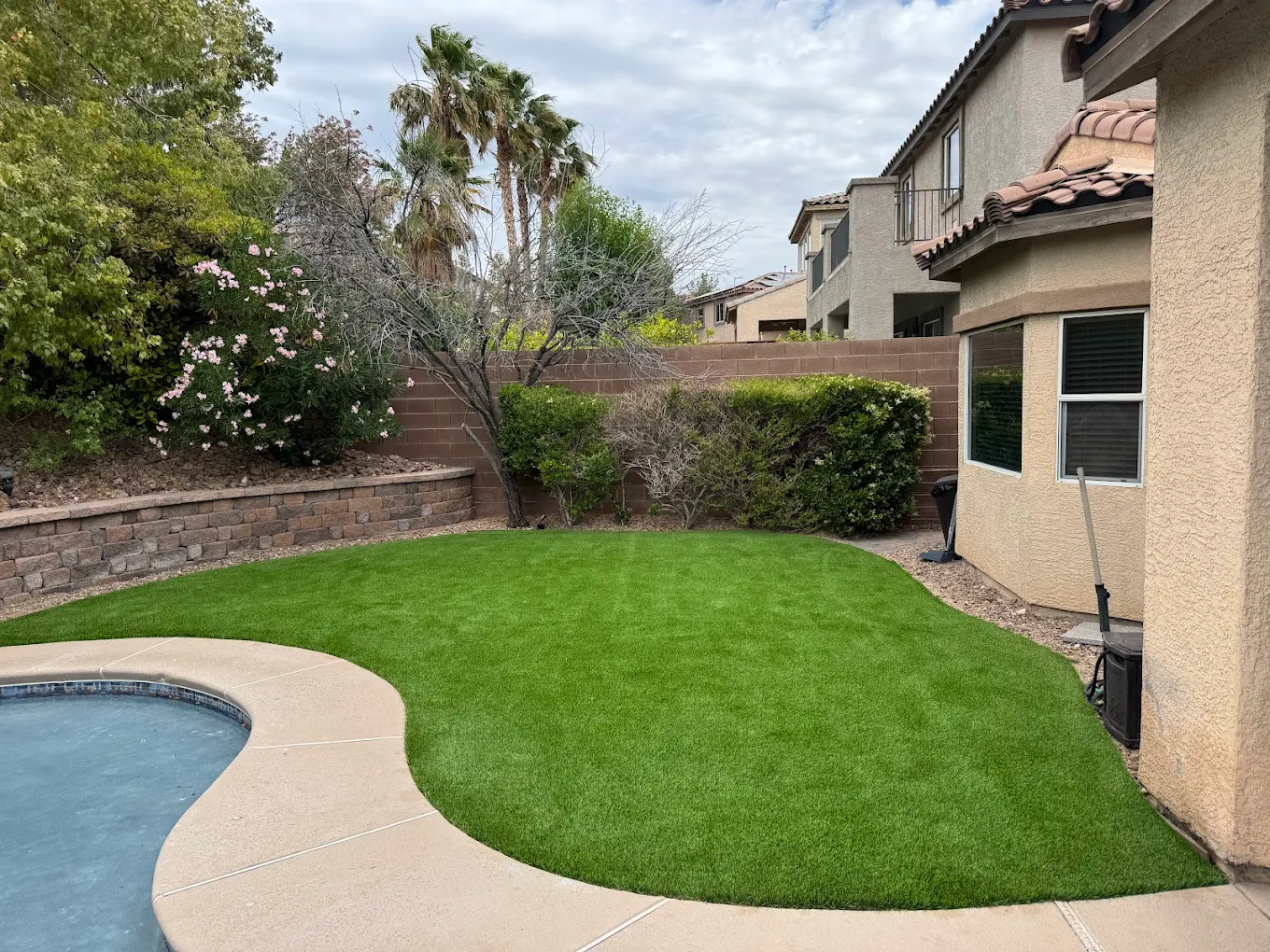
If you're uncomfortable with the idea of power washing your own turf, or if you have a large installation that would take hours to complete manually, professional turf cleaning services offer power washing as part of their deep cleaning packages. The advantage of professional service goes beyond convenience. Experienced operators know exactly how to adjust pressure, nozzle distance, and technique for different turf types, fiber heights, and infill materials found across Centennial Hills, Spring Valley, and throughout the valley.
When hiring a professional, verify that they have specific experience with artificial turf, not just general pressure washing. Ask about their PSI settings, nozzle selection, and whether they include infill replenishment and post-wash brushing in their service. A reputable turf cleaning company will be happy to explain their process and may even offer a small test area demonstration before committing to the full job.