Average Artificial Turf Installation Costs in Las Vegas
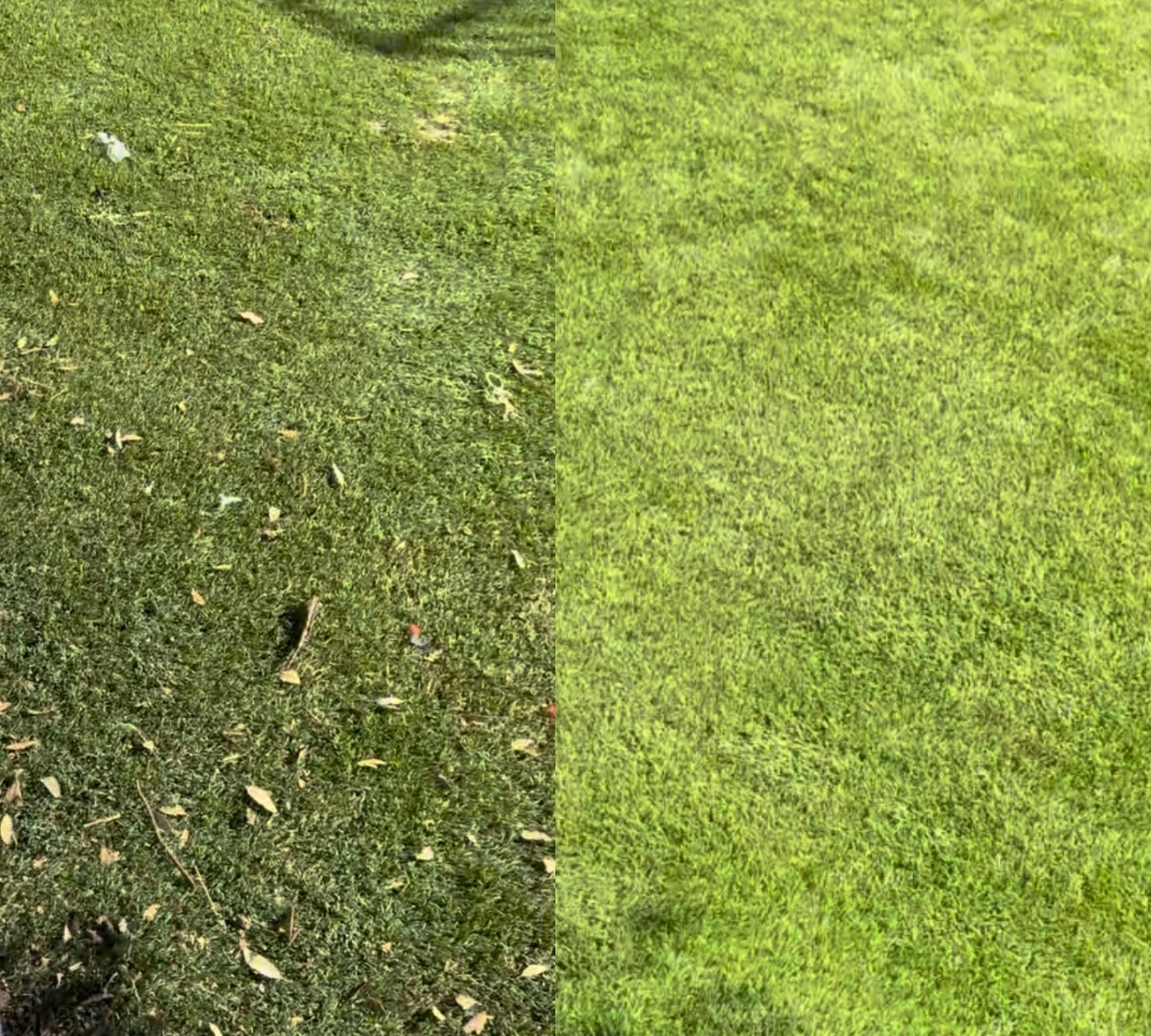
The average cost to install artificial turf in Las Vegas ranges from $8 to $14 per square foot, with most homeowners spending between $5,600 and $12,600 for a standard 700-square-foot backyard. These prices include materials, base preparation, labor, and infill. Premium turf products with advanced cooling technology or ultra-realistic blade patterns can push the total closer to $16 to $18 per square foot, particularly in upscale neighborhoods like Summerlin and Southern Highlands where homeowners often opt for top-tier products.
Costs in Las Vegas tend to run slightly higher than the national average due to the specialized base preparation required for desert soil conditions. The caliche-heavy clay soil found throughout Henderson, Enterprise, and Spring Valley demands more excavation and base material than sandy or loamy soil in other regions. However, these higher upfront costs are partially offset by the SNWA Water Smart Landscapes rebate, which provides up to $3 per square foot for converting from grass to water-efficient landscaping including artificial turf.
For context, a typical residential installation in the Las Vegas valley breaks down to roughly 30% for materials, 25% for base preparation, 35% for labor, and 10% for infill and accessories. Understanding this breakdown helps you evaluate quotes from local installers and identify where you might save money without compromising quality.
Material Costs: What You Pay for the Turf Itself
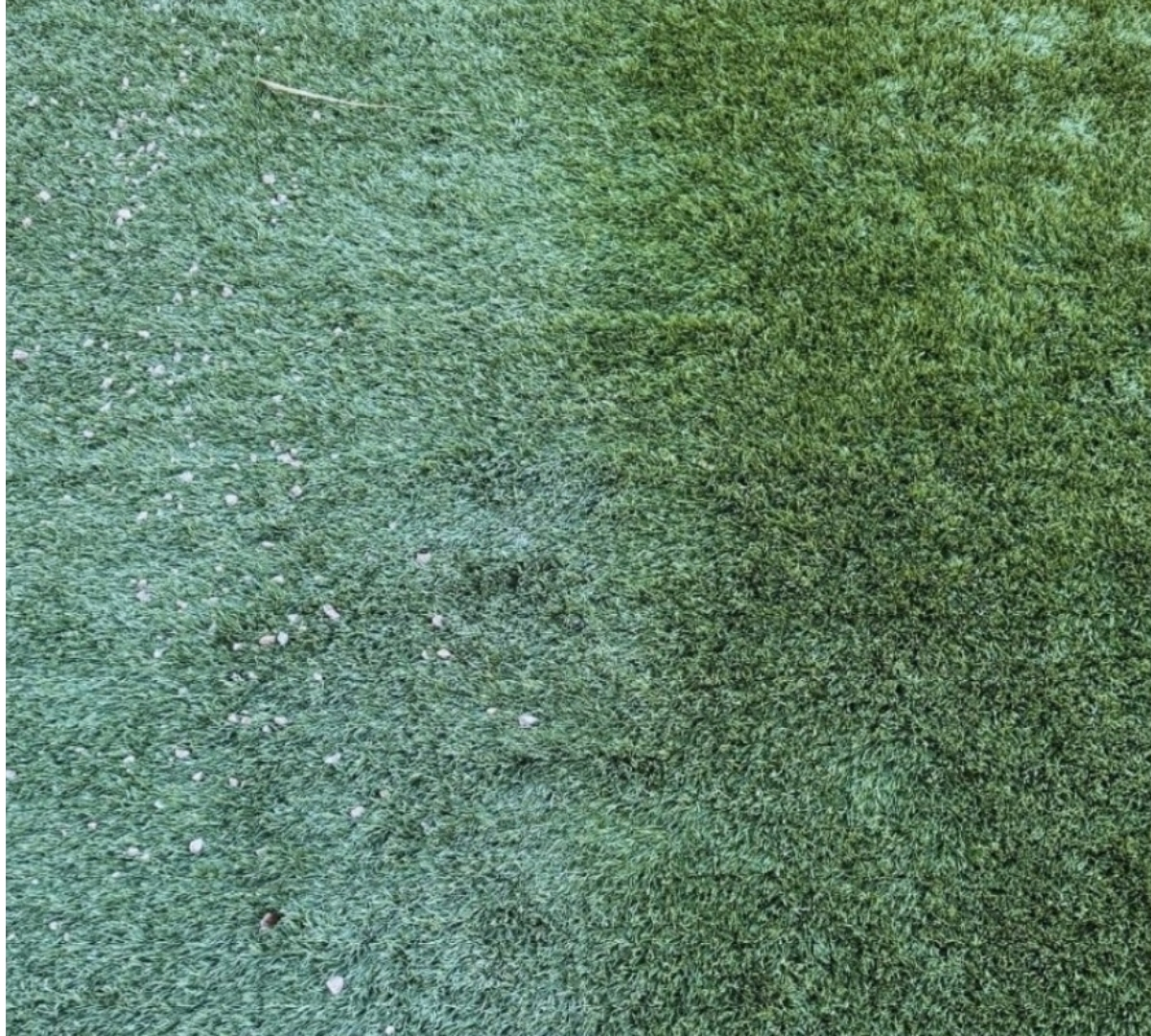
Artificial turf products range dramatically in price depending on pile height, face weight, and technology features. Budget-friendly options start around $1.50 to $2.50 per square foot for the turf material alone, while mid-range products fall between $3 and $5 per square foot. Premium and luxury turfs with features like TigerCool technology, antimicrobial treatments, or dual-colored blades can cost $5 to $8 per square foot just for the material. Homeowners in Green Valley and Centennial Hills frequently choose mid-range options that balance appearance with value.
The face weight of the turf, measured in ounces per square yard, is one of the biggest price drivers. Higher face weight means more yarn per square foot, resulting in a denser, more realistic appearance and better durability underfoot. For Las Vegas installations, we recommend a minimum face weight of 60 ounces for residential yards that receive moderate foot traffic. Heavy-use areas like pet zones or play areas benefit from 70 to 80 ounce products that resist matting and wear.
Backing material also influences pricing significantly. Single-layer polypropylene backing is the most affordable but offers limited drainage. Dual-layer polyurethane backing costs more but provides superior drainage rates of 30 to 60 inches per hour, which matters during Las Vegas monsoon season when sudden downpours can overwhelm inadequate drainage systems.
- Budget turf (40-50 oz face weight): $1.50 to $2.50 per sq ft material only
- Mid-range turf (60-70 oz face weight): $3 to $5 per sq ft material only
- Premium turf (70-80+ oz face weight): $5 to $8 per sq ft material only
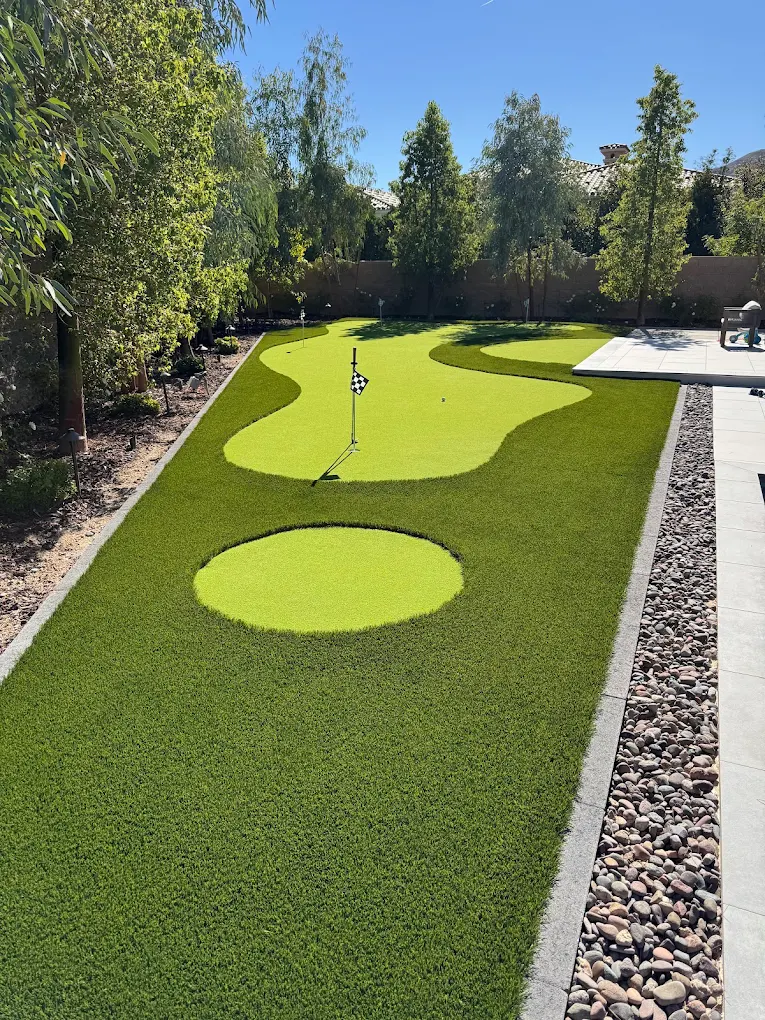
- Putting green turf: $4 to $7 per sq ft material only
- Pet-specific turf with antimicrobial backing: $3.50 to $6 per sq ft material only
Base Preparation and Excavation Costs
Base preparation is where Las Vegas installations diverge significantly from other markets. The desert hardpan and caliche layers found 6 to 18 inches below the surface throughout North Las Vegas, Paradise, and Boulder City require specialized excavation equipment. Typical base prep costs range from $2 to $4 per square foot, covering removal of existing vegetation, excavation to a depth of 3 to 4 inches, grading for proper drainage, and compacting a crushed rock base layer.
Proper drainage planning adds $0.50 to $1.50 per square foot depending on the complexity of your yard's grading. While Las Vegas receives minimal rainfall, the intense monsoon storms that hit between July and September can dump significant water in short bursts. A properly graded base with adequate drainage channels prevents puddles and standing water that would otherwise promote mold growth beneath the turf surface.
If your yard currently has natural grass with an irrigation system, expect additional costs of $500 to $1,500 for removing and capping the sprinkler system. Many installers in the Summerlin and Henderson area include basic irrigation removal in their quoted price, but always confirm this upfront to avoid surprise charges on installation day.
Request a soil test before committing to an installer's quote. Yards with heavy caliche may need jackhammer work that adds $1 to $2 per square foot. A reputable Las Vegas installer will identify this during the site visit.
Need Professional Turf Cleaning?
Get a free, no-obligation quote for your Las Vegas property. Same-day service available.
Labor and Installation Fees
Labor typically accounts for 30 to 40 percent of total installation cost in Las Vegas, with rates ranging from $3 to $5 per square foot for professional installation. This covers layout and cutting, seaming, securing edges with nails or staples, and applying and brushing in the infill material. The extreme summer heat in Las Vegas means many installers charge a seasonal premium of 10 to 15 percent for work performed between June and September, since crews must start before dawn and take extended breaks during peak afternoon temperatures.
Complex yard shapes, slopes, and tight corners around pools or landscaping features increase labor costs due to the additional cutting, fitting, and seaming required. A simple rectangular backyard in Enterprise or Spring Valley might come in at the lower end of the labor range, while an irregular lot with multiple curves, tree cutouts, and transitions to hardscape in Southern Highlands could push labor costs toward the higher end. Most reputable installers provide detailed quotes that separate material and labor costs so you can compare apples to apples.
Infill, Edging, and Accessory Costs
Infill material is essential for supporting turf blades, providing cushioning, and assisting with drainage. Standard silica sand infill costs $0.50 to $1 per square foot installed and works well for most residential applications. However, Las Vegas homeowners increasingly opt for cooling infill products like Hydrochill or TurFill that can reduce surface temperatures by 30 to 50 degrees Fahrenheit, a significant advantage when summer surface temps can reach 150 degrees or higher. These premium infill options cost $1.50 to $3 per square foot installed.
Edge restraints and nailer boards run $1 to $3 per linear foot and are critical for preventing turf edges from lifting, especially in the expansive soils found throughout Henderson and Centennial Hills. Bender board, aluminum edging, and concrete nailer strips each have different price points and durability characteristics. For yards that border concrete or pavers, adhesive edge attachment is often preferred and costs slightly less than mechanical fastening methods.
Additional accessories like deodorizing infill for pet areas ($1 to $2 per square foot), drainage tiles beneath heavy-use zones ($3 to $5 per square foot), and decorative stone borders ($5 to $15 per linear foot) can add meaningful costs to the project. Plan for these extras during the quoting phase rather than discovering them as change orders during installation.
SNWA Rebate and Long-Term Savings
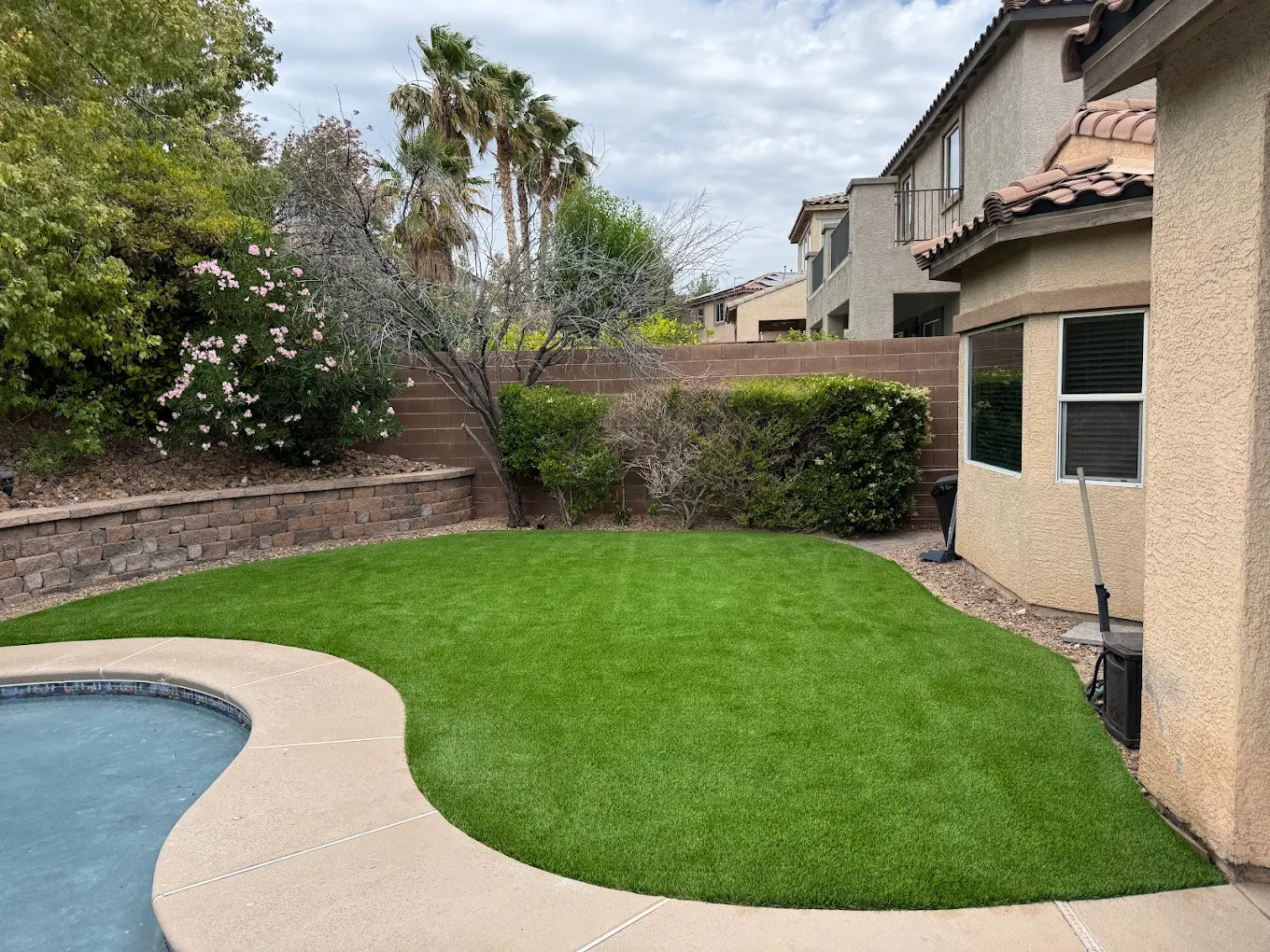
The Southern Nevada Water Authority's Water Smart Landscapes rebate program offers Las Vegas homeowners up to $3 per square foot for converting from natural grass to water-efficient landscaping, with a maximum rebate of $300,000 per property. This rebate applies to artificial turf installations and can offset 20 to 35 percent of total project costs for an average residential yard. The application process requires before-and-after photos, a completed conversion, and an inspection by SNWA staff, with rebate checks typically arriving 6 to 8 weeks after approval.
Beyond the rebate, artificial turf eliminates monthly water costs for lawn irrigation. The average Las Vegas homeowner with 1,000 square feet of natural grass spends $150 to $250 per month on water during summer months. Over a 15-year turf lifespan, this translates to $18,000 to $30,000 in water savings alone. Combined with eliminated mowing, fertilizing, and reseeding costs, the total savings typically exceed the initial installation investment within 5 to 7 years for most homeowners in Summerlin, Henderson, and across the valley.
Keep in mind that while artificial turf dramatically reduces water use, it does require periodic professional cleaning to maintain its appearance and function. Budgeting $200 to $500 annually for professional cleaning services ensures your turf investment continues to deliver maximum value and curb appeal throughout its lifespan.
The SNWA rebate program has specific requirements about turf installation area and existing grass documentation. Apply before starting your project to ensure eligibility and lock in the current rebate rate.
How to Get Accurate Installation Quotes
To get the most accurate quotes for your Las Vegas turf installation, request on-site estimates from at least three licensed contractors. A thorough site visit should include soil testing, precise measurements, drainage assessment, and discussion of turf product options. Be wary of quotes given over the phone or based solely on satellite imagery, as these often miss critical factors like soil conditions, access limitations, and elevation changes that significantly impact final costs in neighborhoods throughout Paradise, North Las Vegas, and Boulder City.
Ask each installer for an itemized quote that separates materials, base prep, labor, infill, and accessories into distinct line items. This makes comparison shopping straightforward and helps you identify which components of the project offer the best opportunities for cost optimization. Request references from recent Las Vegas installations and, if possible, visit a completed project in your area to evaluate the installer's work quality before committing to a contract.
- Get at least three on-site estimates from licensed, insured contractors
- Request itemized quotes with separate line items for each cost component
- Verify the installer handles SNWA rebate paperwork or assists with the process
- Ask about warranty coverage for both materials and workmanship
- Confirm whether the quote includes removal of existing landscaping and irrigation