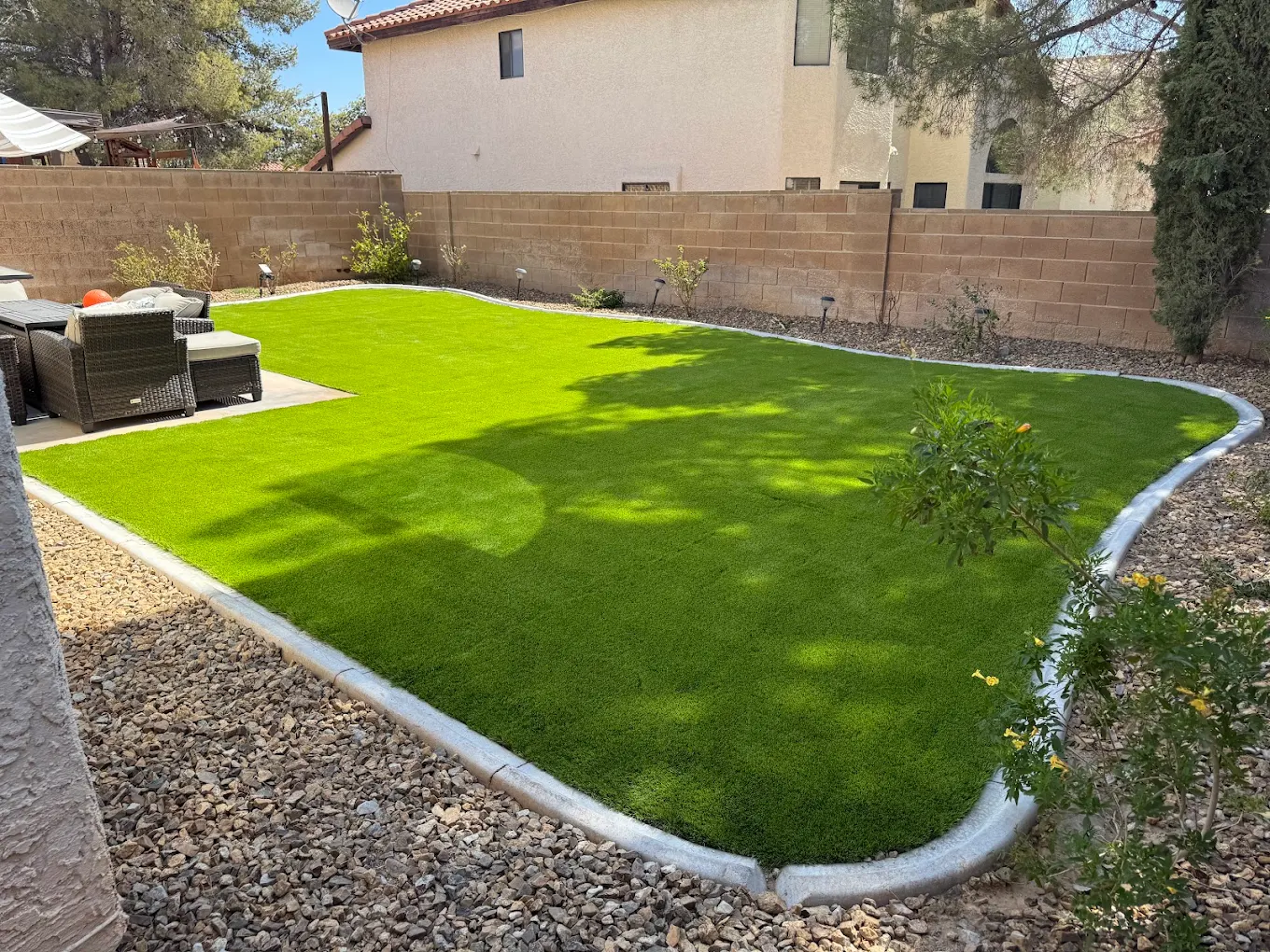
How Artificial Turf Drainage Works
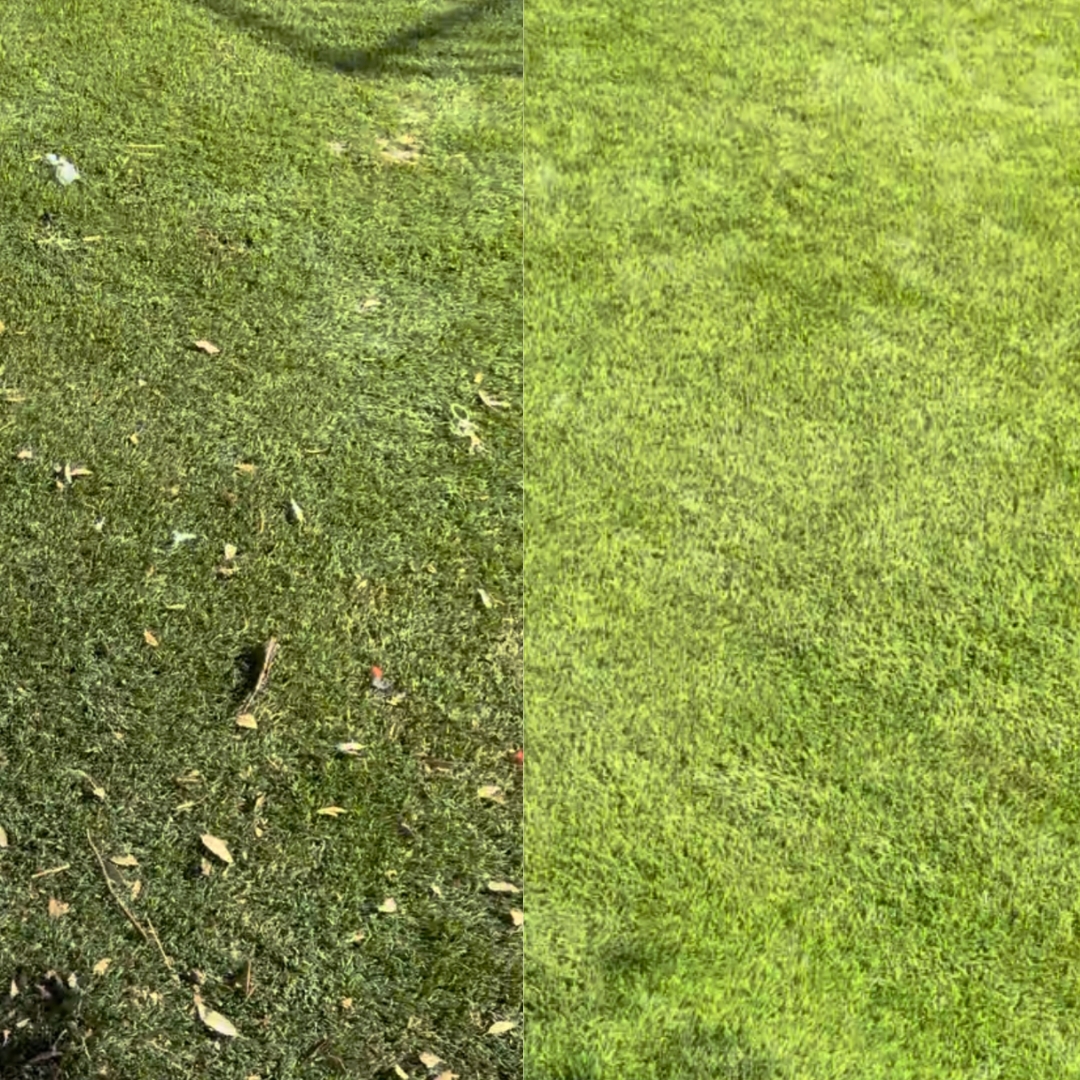
Artificial turf relies on a layered drainage system to move water through the surface and away from your yard. The turf itself is perforated with small drainage holes spaced every few inches across the backing, allowing water to pass through the surface into the base material below. Beneath the turf, a properly designed sub-base of decomposed granite or crushed rock provides channels for water to flow toward the edges of the installation or into the natural soil below.
In Las Vegas, this drainage system faces a paradoxical challenge. Despite the city receiving less than five inches of rain annually, when storms do hit, particularly during the summer monsoon season, they dump enormous amounts of water in very short periods. Flash flood conditions can overwhelm turf drainage systems that weren't designed for high-volume flow, causing temporary or persistent ponding in yards across Henderson, Summerlin, and Spring Valley.
The caliche layer found beneath many Las Vegas properties adds another drainage complication. This dense, calcium carbonate hardpan acts almost like concrete, preventing water from percolating into the soil below the sub-base. Installations built directly over caliche without adequate sub-base depth or drainage channels can experience chronic water retention problems that no amount of surface-level fixes can resolve.
Common Drainage Problems in Las Vegas
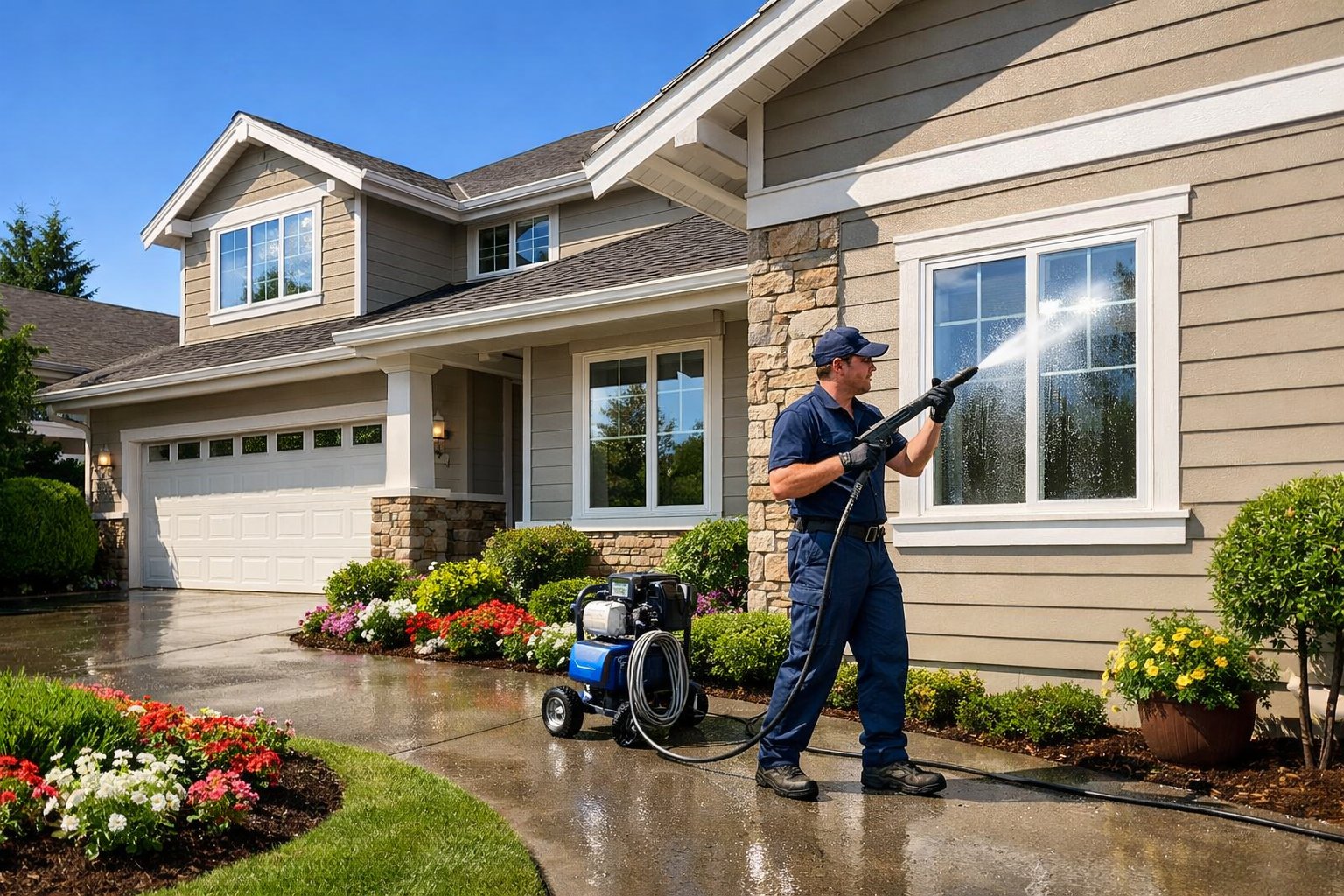
Standing water after irrigation or rain is the most obvious sign of a drainage problem, but it's not the only one. Slow-draining areas that remain damp for hours after water application, persistent musty odors even after cleaning, and algae or mold growth in shaded sections all indicate that water isn't moving through the system as designed. These problems are particularly common in older installations throughout Paradise and Enterprise where the original sub-base may have compacted over time.
Clogged drainage holes are a frequent culprit, especially in Las Vegas where fine desert dust and sand particles gradually fill the perforations in turf backing. This is a slow process that happens over years, making it easy to miss until drainage has degraded significantly. Pet waste, decomposed organic matter, and mineral deposits from hard water irrigation also contribute to hole blockage across neighborhoods from Centennial Hills to Southern Highlands.
- Clogged drainage holes from dust, debris, and mineral buildup
- Compacted or insufficient sub-base material reducing water flow
- Caliche hardpan preventing water percolation into native soil
- Improper grading causing water to pool in low spots
- Damaged or blocked perimeter drainage at turf edges
- Excessive infill compaction creating a water-resistant surface layer
DIY Drainage Fixes You Can Do Today

For minor drainage issues, several DIY approaches can restore proper water flow without professional help. Start by identifying where water collects using a garden hose. Run water across different sections of your turf and watch where it pools or drains slowly. Mark these areas so you can target your efforts effectively. In many cases, the problem is localized to specific zones rather than affecting the entire installation.
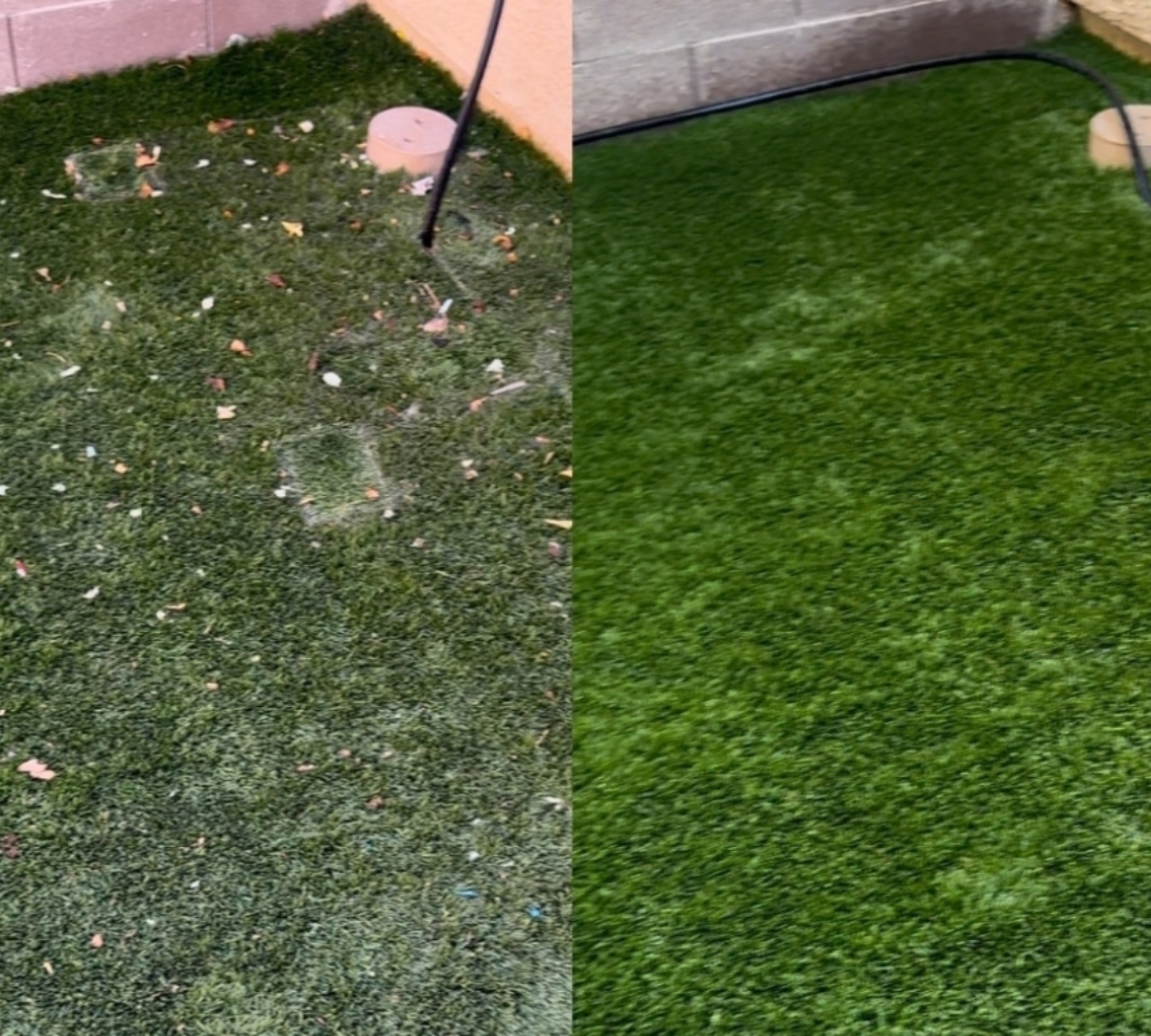
Deep raking and aeration can break up compacted infill and clear partially blocked drainage holes. Use a turf-specific rake to work the infill loose in problem areas, then flush the section with a strong hose spray to push debris through the drainage holes. For stubborn blockages, a stiff brush worked in circular motions over the affected area can dislodge compacted material. After clearing the blockages, test drainage again to confirm improvement.
After desert windstorms, flush your entire turf with water to prevent fine dust particles from accumulating in drainage holes. A 10-minute rinse after a major dust event can prevent months of slow drainage buildup.
Need Professional Turf Cleaning?
Get a free, no-obligation quote for your Las Vegas property. Same-day service available.
Addressing Sub-Base and Grading Problems
When surface-level fixes don't solve drainage issues, the problem likely lies in the sub-base or grading beneath the turf. Improper grading, where the sub-base doesn't slope consistently toward drainage points, is one of the most common installation defects found in Las Vegas yards. Even a slight depression in the sub-base creates a natural collection point for water that no amount of surface cleaning can resolve.
Correcting sub-base issues requires lifting the turf in the affected area, re-grading the base material to establish proper slope, compacting it, and re-laying the turf. This is a significant undertaking for most homeowners, particularly if large sections are involved. For localized low spots in Green Valley or North Las Vegas properties, a professional can sometimes inject additional base material through small incisions in the turf backing rather than removing entire sections, saving considerable time and expense.
Installing French Drains and Catch Basins
For persistent drainage problems that can't be solved by clearing blockages or re-grading, installing supplemental drainage infrastructure is often the long-term solution. French drains, perforated pipes buried in gravel-filled trenches along the perimeter of the turf area, collect and redirect water away from the installation to a suitable discharge point. These are particularly effective in Boulder City and Henderson properties where caliche prevents natural percolation.
Catch basins placed at strategic low points within the turf area can also intercept pooling water and channel it into underground drain pipes. The key is proper sizing and placement, which should account for the maximum rainfall intensity your area experiences during monsoon season. A qualified landscaper or drainage specialist familiar with Las Vegas soil conditions can design a system that handles even the heaviest desert downpours without allowing water to stand on your turf surface.
Long-Term Drainage Maintenance
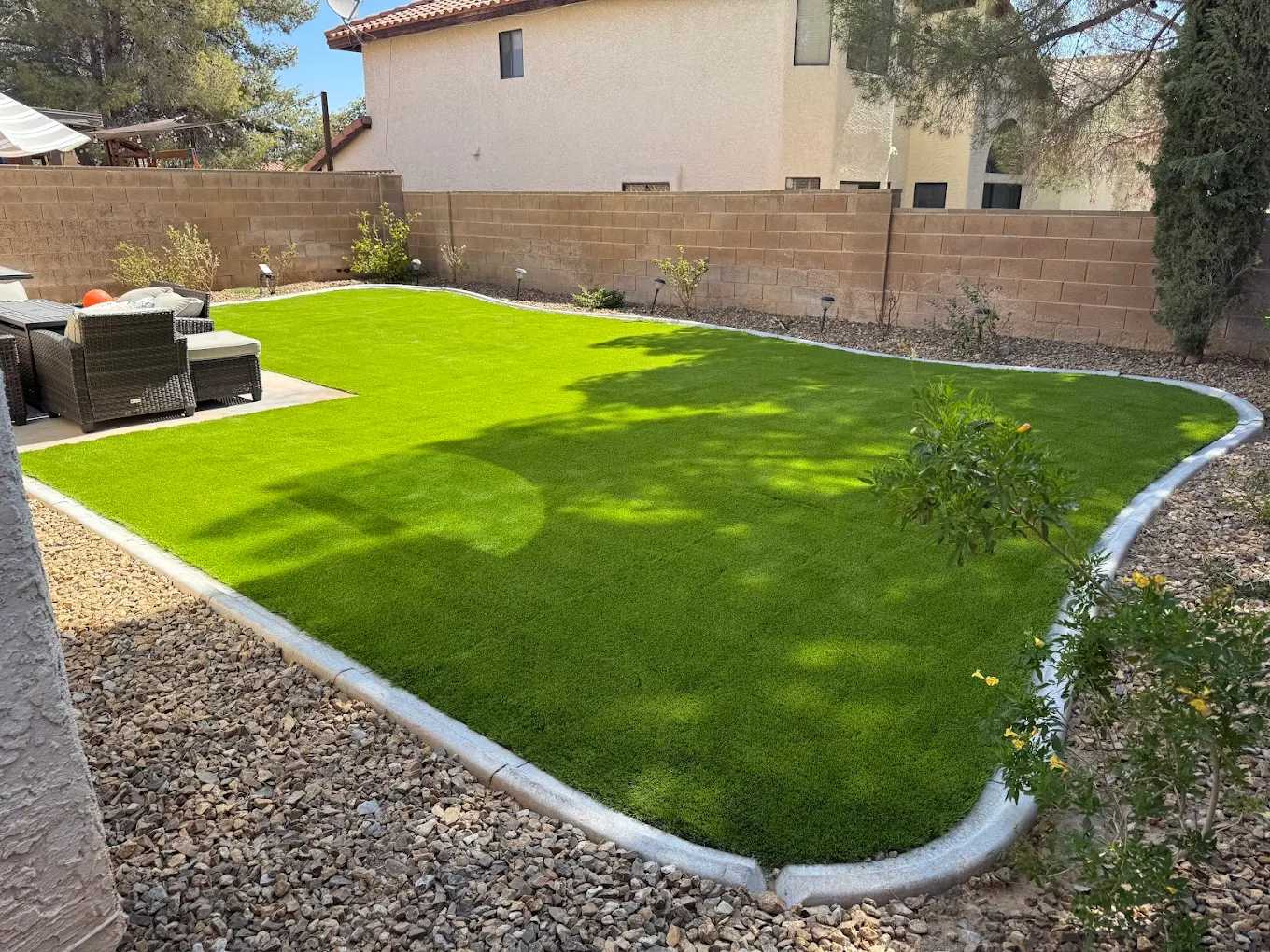
Preventing drainage problems is far less expensive and disruptive than fixing them after they develop. Annual drainage testing, performed by running a hose on each section of turf for five minutes and monitoring how quickly the water clears, helps you catch developing problems before they become severe. Document your drainage times each year so you can identify gradual degradation and address it proactively.
Regular flushing with clean water, particularly after dust storms and before the monsoon season, keeps drainage holes clear and functional. Maintaining proper infill levels and avoiding over-compaction during routine maintenance also supports good drainage. For properties in flood-prone areas of the valley, keeping perimeter drainage channels clear of landscaping debris and soil buildup ensures water has an unobstructed exit path when heavy rain arrives.