What Bacteria Grows on Artificial Turf?
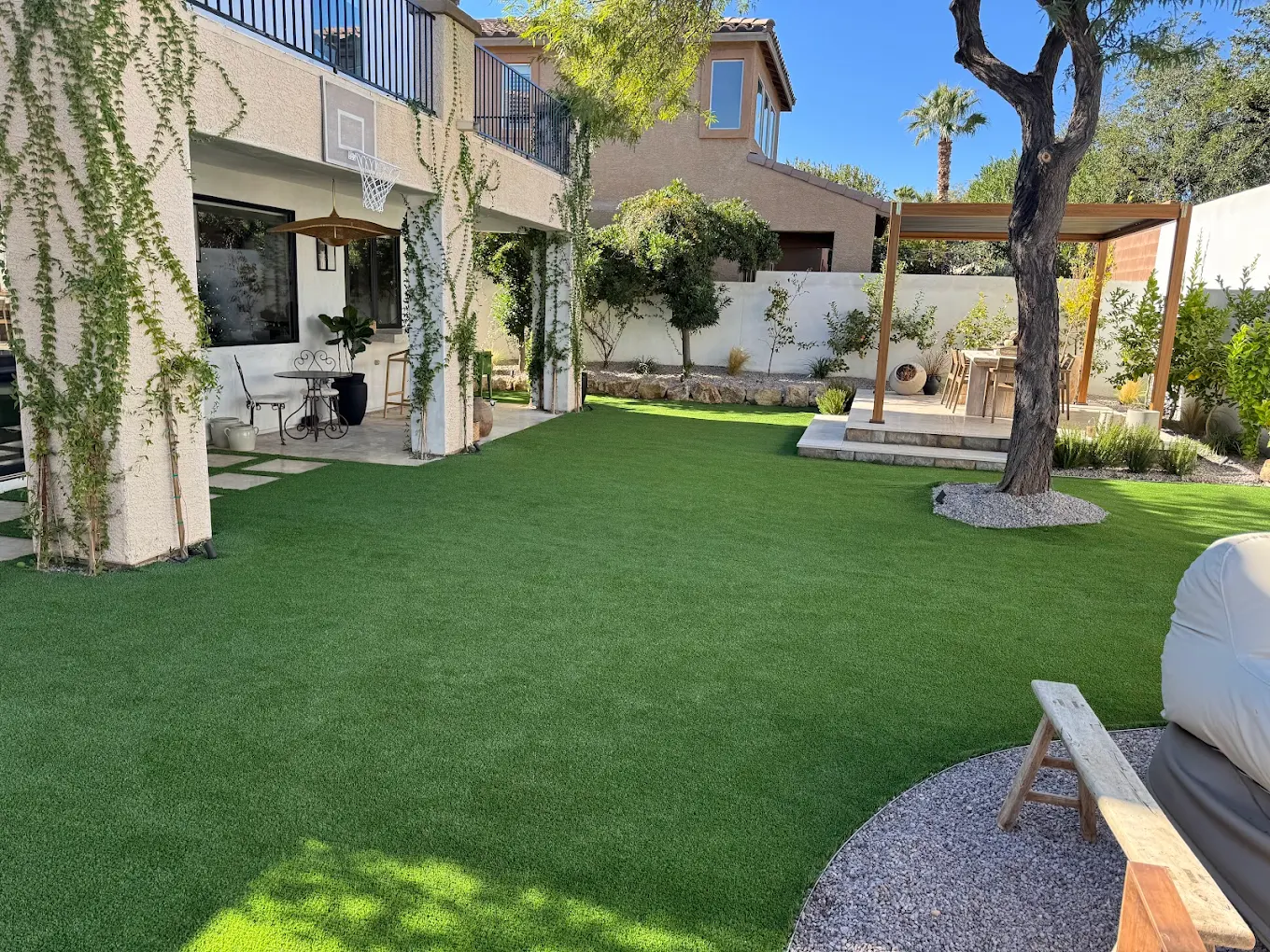
Artificial turf itself does not inherently harbor dangerous bacteria, but the organic matter deposited on it, particularly pet waste and urine, creates conditions where bacteria thrive. The most common bacteria found on pet-use artificial turf include E. coli from fecal matter, Staphylococcus from skin contact and saliva, and various species of Pseudomonas that flourish in warm, moist environments. In Las Vegas, the sustained high temperatures create conditions where bacterial populations can double every 20 to 30 minutes on contaminated surfaces.
The infill layer presents the greatest bacterial concern because it provides a sheltered, warm environment where moisture from urine is retained longer than on the turf surface. Testing conducted on pet-use turf in desert climates has shown bacterial concentrations in infill that are 10 to 100 times higher than on the turf blades themselves. This is why surface-only cleaning methods often fail to address odor and hygiene problems, the contamination lives below where you can see it.
It's important to maintain perspective, however. Bacterial presence on outdoor surfaces is normal and expected. Natural grass lawns, concrete patios, and soil surfaces all harbor similar or higher bacterial loads. The concern with artificial turf is primarily about concentration in the infill, not about turf being inherently more bacterial than other surfaces. Summerlin and Henderson veterinarians emphasize that proper maintenance makes artificial turf a perfectly safe surface for pets.
Real Health Risks for Pets
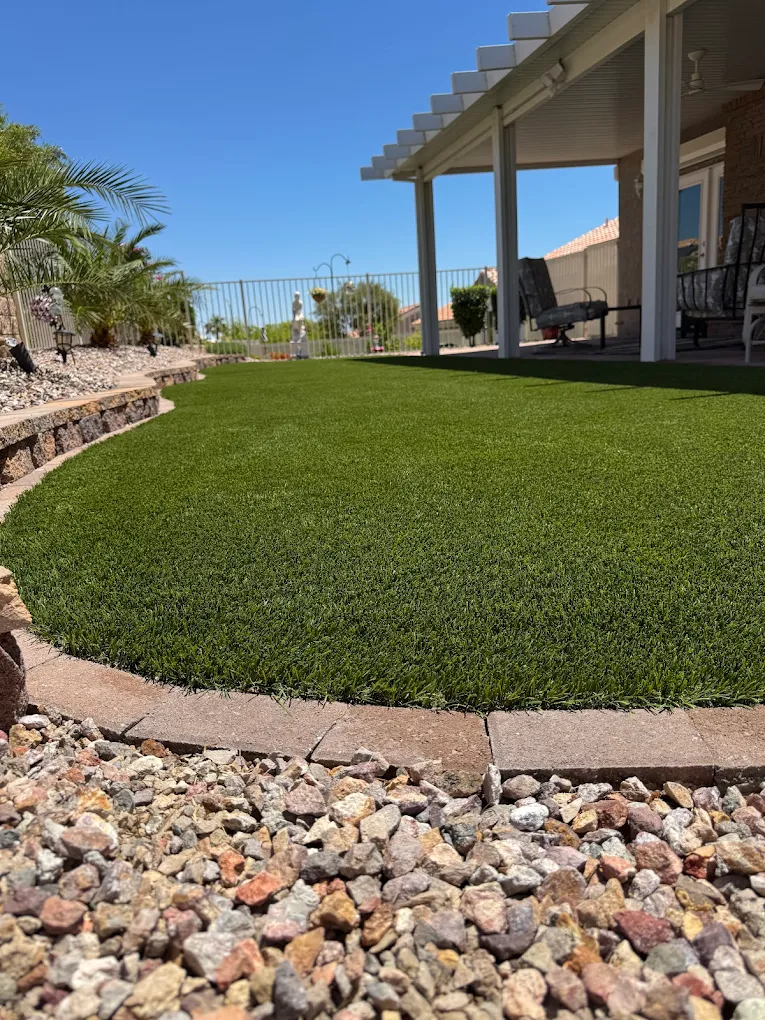
For healthy adult dogs with fully developed immune systems, the bacteria present on well-maintained artificial turf poses minimal risk. Dogs evolved to live in environments far dirtier than a suburban Las Vegas backyard, and their immune systems handle routine bacterial exposure without issue. The concern increases for specific vulnerable populations: puppies under six months, elderly dogs with compromised immunity, dogs recovering from surgery, and dogs with open wounds or skin conditions.
The most tangible health risk from neglected turf is urinary tract infections and skin irritation. Dogs that lie on heavily contaminated turf, particularly in warm, moist areas, can develop contact dermatitis or bacterial skin infections. In Las Vegas, where dogs may press their bellies against warm turf while resting, sustained contact with contaminated surfaces increases infection risk. Paradise and Spring Valley veterinarians occasionally see skin infections linked to poorly maintained turf, though these cases are relatively uncommon.
Gastrointestinal issues from bacteria are also possible if dogs lick or chew on heavily contaminated turf. Puppies, who mouth everything during their exploratory phase, are most at risk for this route of exposure. The risk is manageable with proper maintenance, but understanding it motivates consistent cleaning habits.
If your dog develops unexplained skin irritation, recurring UTIs, or digestive issues, discuss your artificial turf maintenance routine with your veterinarian. In some cases, improving turf hygiene resolves the health problem without additional medical treatment.
How to Test Your Turf's Bacteria Levels
For homeowners who want objective data about their turf's bacterial condition, at-home test kits and professional testing services are available. ATP (adenosine triphosphate) testing devices provide instant readings of biological contamination levels. These handheld devices, used widely in food service and healthcare, give a numerical reading that indicates the amount of organic matter present. Professional turf cleaning services in Las Vegas often use ATP testing before and after treatment to demonstrate the effectiveness of their cleaning.
For a more detailed analysis, commercial laboratories can test infill and turf swab samples for specific bacterial species and concentrations. This level of testing is typically unnecessary for residential homeowners but can be valuable for dog daycares, boarding facilities, and multi-dog households in Centennial Hills and North Las Vegas that are experiencing persistent pet health issues potentially linked to turf conditions.
Even without formal testing, simple sensory indicators tell you a lot about your turf's bacterial condition. Persistent odor despite recent cleaning, a slimy or tacky feel to the infill, visible biofilm (a shiny, slightly colored coating) on turf blades near the base, and excessive fly activity around the turf are all indicators of elevated bacterial levels that need attention.
Need Professional Turf Cleaning?
Get a free, no-obligation quote for your Las Vegas property. Same-day service available.
Prevention Through Proper Cleaning Protocols
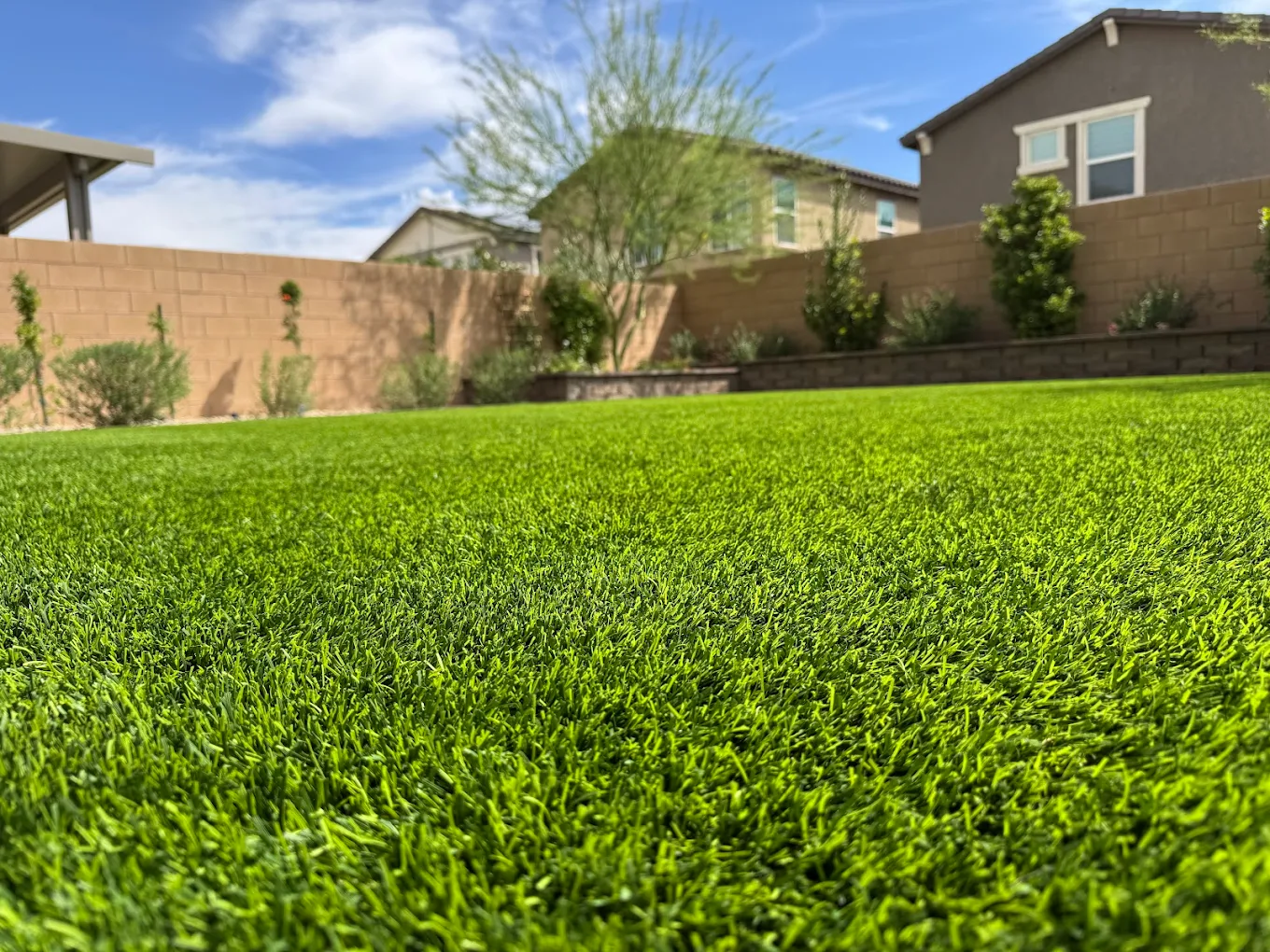
Preventing bacterial overgrowth on artificial turf is far simpler and less expensive than remediating an established problem. The foundation of bacterial control is removing the organic matter that feeds bacterial colonies: pet waste, urine residue, and decomposing leaf litter or debris. Daily waste removal and evening rinsing eliminate the food source before bacteria can establish significant populations.
Weekly enzyme treatment serves as your primary antimicrobial maintenance tool. Enzyme cleaners don't just address odor; they consume the organic substrate that bacteria depend on for growth. By removing the bacterial food source, enzyme treatments create conditions where bacterial populations naturally decline. This biological approach is more sustainable and effective than chemical sanitizers that kill bacteria temporarily but leave the food source intact for rapid recolonization.
Monthly deep sanitization should include a thorough flush of the infill layer, not just the turf surface. Direct your hose stream straight down through the turf in overlapping passes across the entire surface, then follow with enzyme cleaner applied at the heavy-duty dilution rate. This monthly deep clean is especially important during Las Vegas summer when bacterial growth rates are at their peak.
- Remove pet waste at least twice daily to eliminate bacterial food sources
- Rinse the entire turf surface every evening with a garden hose
- Apply enzyme cleaner weekly during warm months, biweekly during cool months
- Flush the infill layer thoroughly during monthly deep cleaning
- Schedule professional sanitization quarterly for comprehensive bacterial control
Antimicrobial Turf and Infill Options
If you're installing new turf or replacing an existing installation, antimicrobial products provide built-in bacterial protection. Several turf manufacturers now offer fibers with antimicrobial agents incorporated during production. These treatments inhibit bacterial growth on the fiber surface continuously, reducing the need for chemical antimicrobial applications. Products like SYNLawn with SYNFlo antimicrobial backing and Bella Turf with BioCote treatment are popular options among Green Valley and Enterprise homeowners.
Antimicrobial infill products like Envirofill with Microban provide the same protection within the infill layer. The antimicrobial coating on each infill granule inhibits bacterial growth in the zone where contamination concentrates most. While these products cost 20 to 40 percent more than standard infill, they significantly reduce the maintenance burden and provide consistent protection between cleaning sessions.
When getting quotes for new turf installation, request antimicrobial turf and infill options. The upfront premium is typically recouped within two years through reduced cleaning product costs and less frequent professional service needs.
When to Seek Professional Sanitization
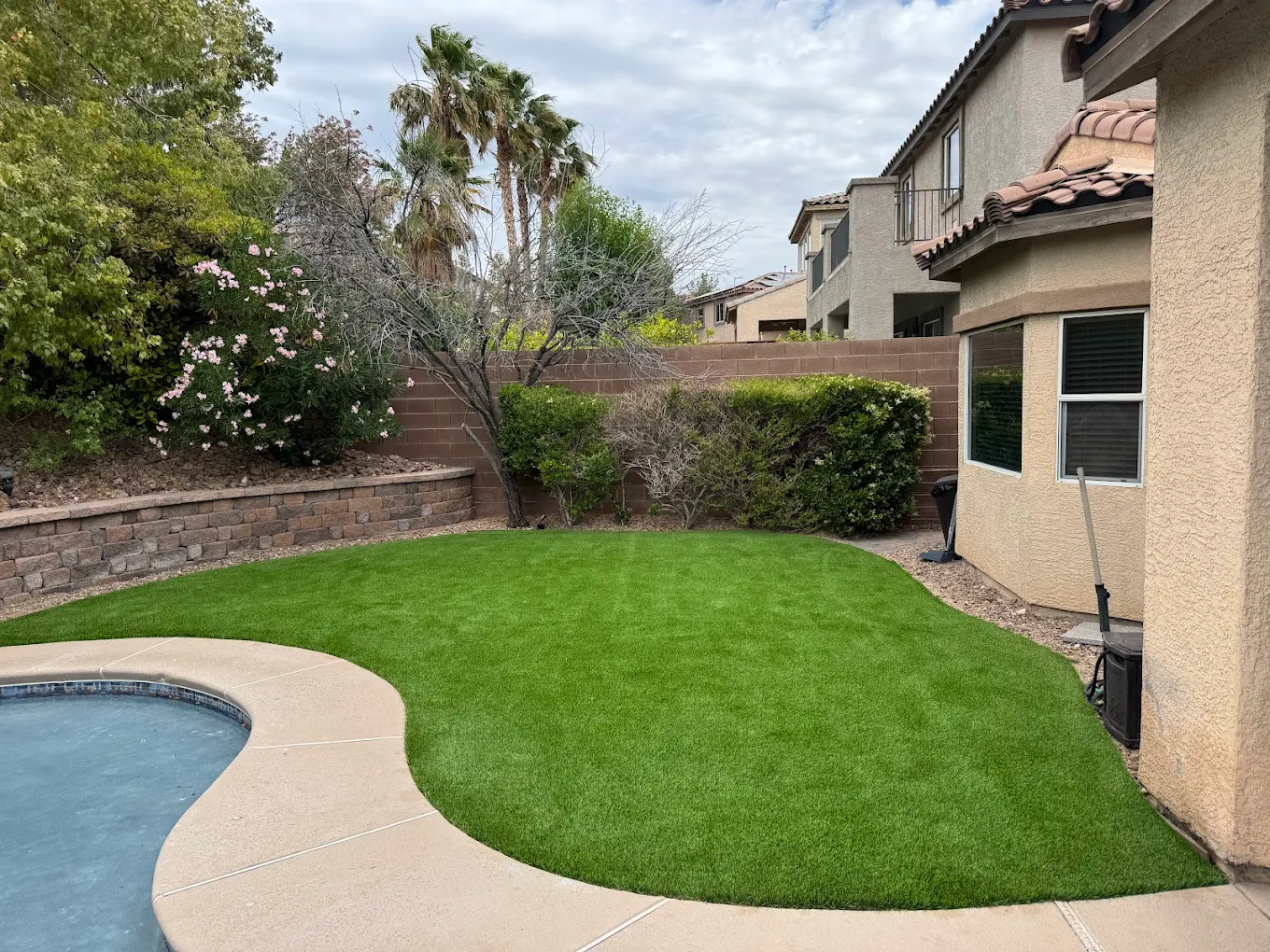
Certain situations call for professional-grade sanitization that goes beyond routine home maintenance. If you've moved into a home with existing artificial turf and pets lived there previously, a professional deep cleaning before letting your dogs use the yard is strongly recommended. You have no way to assess the previous owner's maintenance habits, and accumulated contamination from years of neglected pet use can be significant.
Visible biofilm, persistent odor that returns within 24 hours of cleaning, unexplained pet health issues, or infill that has a slimy texture all indicate bacterial contamination levels that home cleaning methods cannot adequately address. Professional services use commercial-grade sanitizing equipment, high-pressure flush systems, and concentrated antimicrobial treatments that penetrate the infill and sub-base layer far more effectively than consumer products.
After a severe weather event, such as the rare but intense Las Vegas rainstorms that flood yards, professional sanitization helps address bacteria and debris washed onto the turf from surrounding soil and landscape areas. Southern Highlands and Boulder City properties adjacent to natural desert areas are particularly susceptible to bacterial contamination from storm runoff carrying organic matter from undeveloped land.